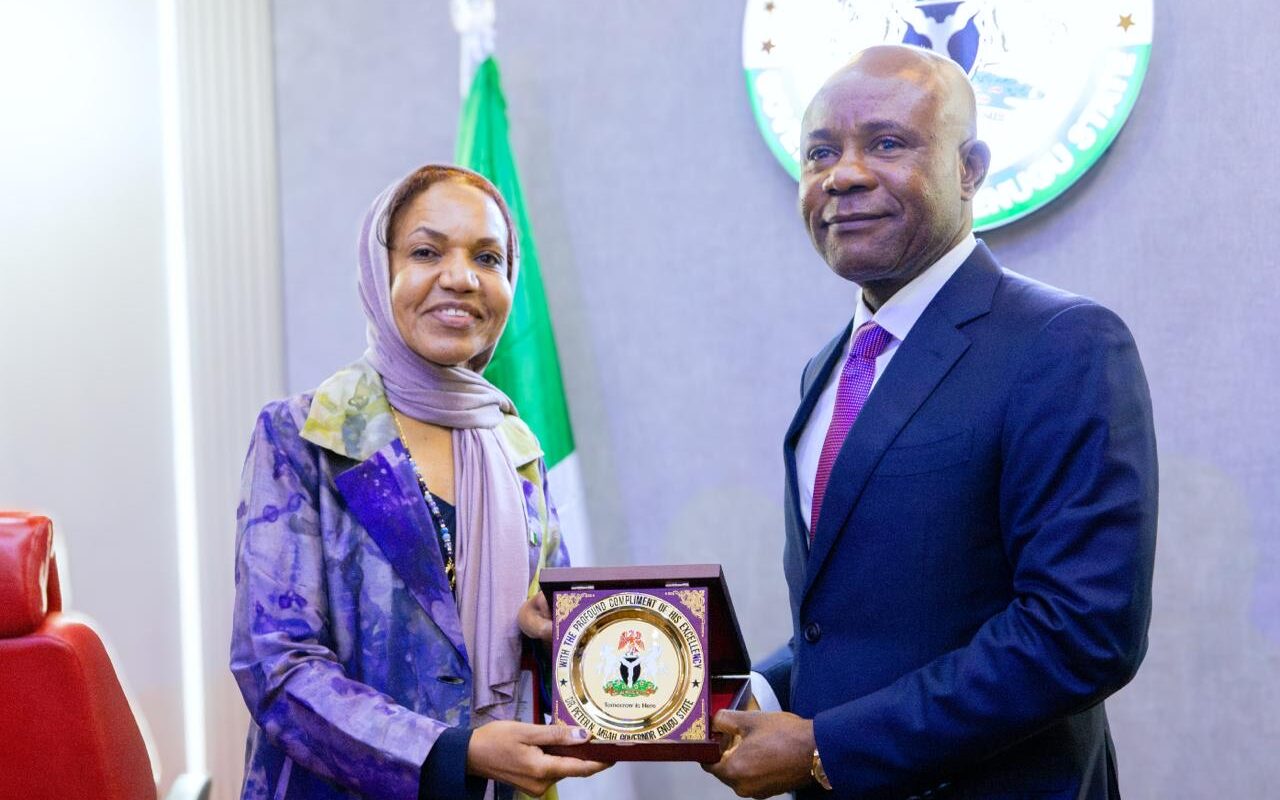
The United Nations Children’s Fund (UNICEF) has praised the Peter Mbah Administration in Enugu State for consistently setting aside over 33 percent of the state’s budget for education over the past three years.
UNICEF is also ready to work more closely with the Enugu State Government on education, child nutrition, healthcare, and other areas of human growth.
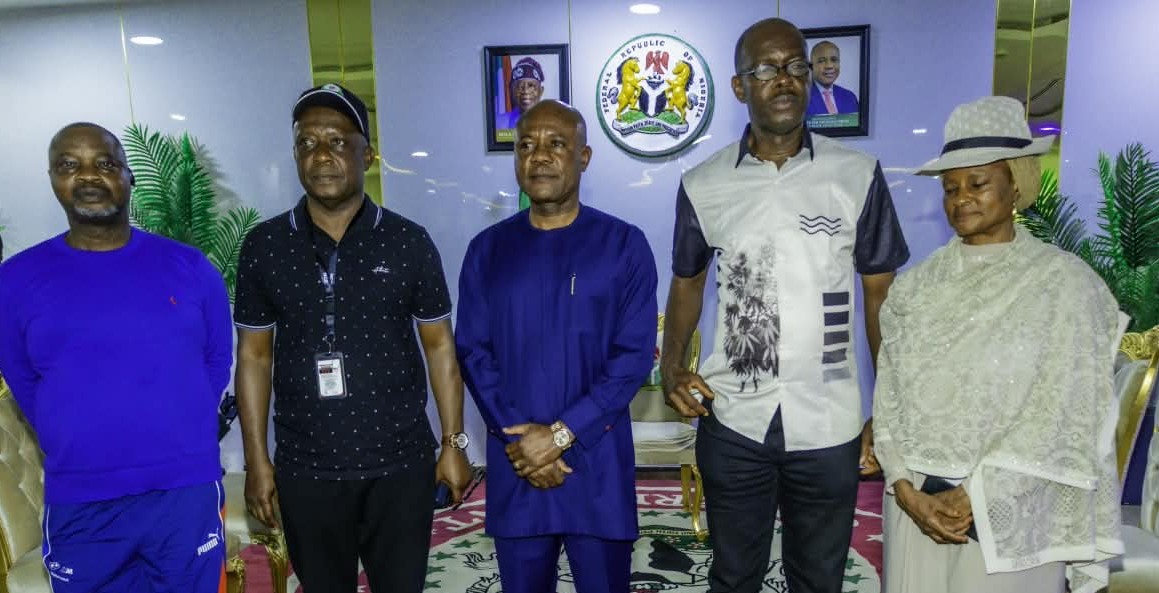
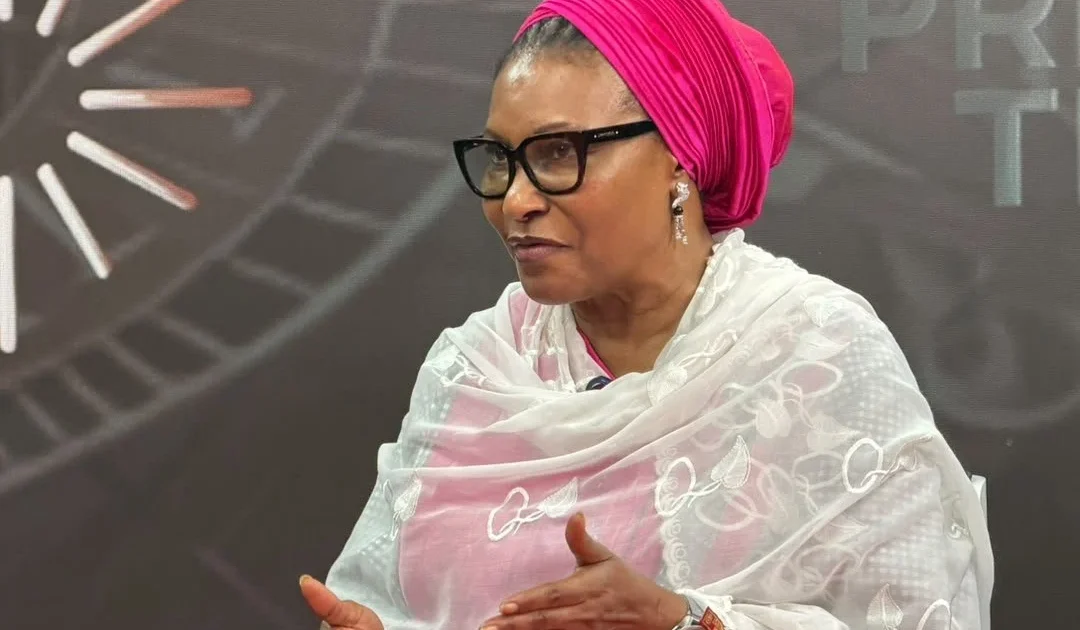
Ms Wafaa Saeed, the UNICEF Nigeria Country Representative, shared this on Tuesday during a visit to Governor Dr Peter Mbah at the Government House in Enugu.
Saeed praised the state government for its education investment, calling it an investment in the future of children in Enugu.
She pointed out that while UNICEF has been urging governments to allocate 15 to 20 percent of their budgets to education, Enugu’s allocation of about 33 percent shows a stronger focus on the sector.
“We appreciate what Enugu State has done. Almost one-third of the state’s budget is devoted to education, far above the United Nations recommendation. It actually shows that ‘tomorrow is here’,” she said.
According to her, this level of investment provides a chance for UNICEF to enhance its work with Enugu through the organization’s global expertise and knowledge.
“This is the kind of discussion we like to have. It’s not merely social services, but investment in the future,” Saeed said.
She added that UNICEF is ready to collaborate with the state government to improve its programs and ensure they last, especially in child nutrition and other social development areas.
“With what you are doing in Enugu State, it will give us a different kind of partnership with the United Nations.
“The state has invested in child nutrition, and we can bring our knowledge and experience to explore other areas of investment and development in a partnership,” Saeed said.
The UNICEF Country Representative mentioned that developments in Enugu could serve as an example of how investing in children and human development can shape the future of Africa.
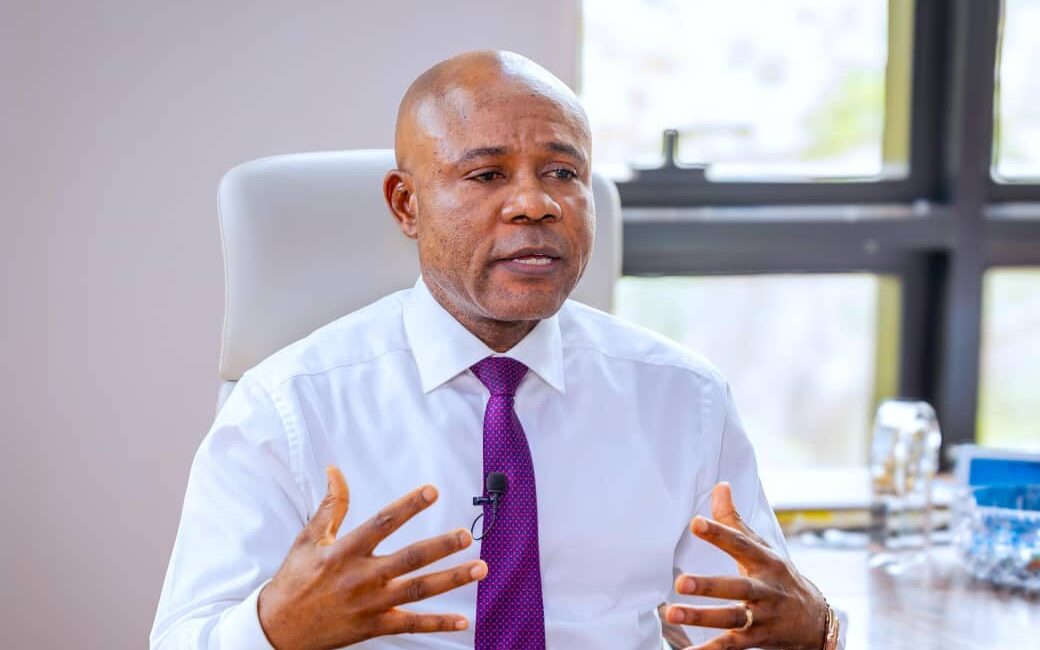
In response, Governor Mbah said the state looks forward to a practical partnership with UNICEF. He believes this will allow the government to learn from UNICEF’s global experience in creating and running social programs.
Mbah stated that this collaboration could help the state avoid unnecessary mistakes while improving its human development efforts.
“Such partnership will help my state avoid trial and error because of UNICEF’s experience and expertise. We look forward to that experience,” the governor said.
He emphasized that human development is key to his administration’s goals. He noted that economic growth cannot happen if the social sector is ignored.
He explained that the state’s spending on education, healthcare, and other social services aims to prevent future poverty, underdevelopment, and social issues.
“Human development is essential to us, and as much as we want to grow our economy, we do so without undermining human development. Social services are as important, if not more important, than the economic sector,” Mbah added.
He warned that ignoring social issues early could lead to bigger problems that would need more resources to fix later on.
The governor said Enugu's education reforms recognize that today’s children have different needs than previous generations.
He mentioned that Enugu has a 10-year Education Plan to equip children with necessary skills for the modern economy.
“The world of today is different from the world of 40 years ago, and to use the same methods and tools of 40 years ago to teach children of today will be a mismatch,” he said.
Mbah’s goal is to ensure children gain skills that make them employable and productive instead of being a burden on the state in the future.
He also noted that the state focuses on early childhood development, integrating health checks and nutritional assessments into preparing children for school.
According to him, children are screened before they start kindergarten to ensure those needing medical care get treatment and their nutritional needs are met before school begins.
The governor said the state intentionally places its smart schools in rural areas to close the gap in access to quality education between urban and rural communities.
He explained that the government uses measurable indicators and data to evaluate the impact of its programs. He added that current indicators show Enugu is performing better than the national average in some areas.
Mbah said, though, that this achievement should not make the government complacent. He stressed the need for ongoing improvement and local input in the state’s education strategy.
“We have measurable indicators, and data from organizations like yours help us to assess what we are doing. And we can say that we have indicators higher than the national average, but that will not make us complacent,” he said.
On healthcare, the governor recognized UNICEF’s work in some local governments, especially in reducing infant and maternal deaths.
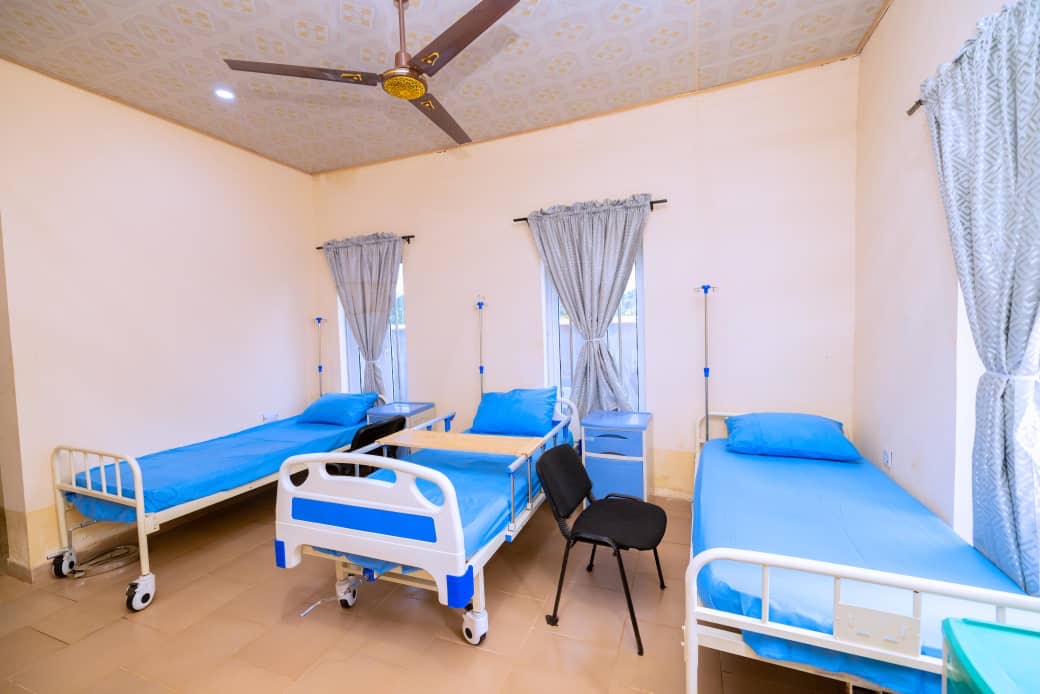
He pointed out that the state has identified the need for major changes in rural healthcare. This has led to the building of Type-2 Primary Healthcare Centres in 250 wards.
Mbah said these centres will have solar power systems to ensure they have steady electricity. He mentioned UNICEF’s support in providing solar systems for some healthcare centres.
He also said that renovating rehabilitation and childcare facilities is another area where UNICEF could assist the state.
The governor expressed interest in extending collaboration with UNICEF beyond current projects, especially by adopting best practices and technical knowledge from around the world.
He welcomed the UNICEF team to Enugu, describing the state as a historic, welcoming, and diverse city with great potential for tourism and development.
Mbah reminded everyone that Enugu’s history is tied to the discovery of coal in 1909 and how it became an important administrative and commercial hub.
He said the city’s historical importance, including its role as the capital of the former Eastern Region, has shaped its diverse character and welcoming culture.
The governor is hopeful that working with UNICEF will lead to better cooperation that strengthens the state’s investments in children, education, healthcare, and broader human development.
This visit is expected to create a chance for more talks on how UNICEF and the Enugu State Government can collaborate, particularly in enhancing existing programs and ensuring their long-term success.
Drop your comment
No comments yet — be the first to drop the gist 👇