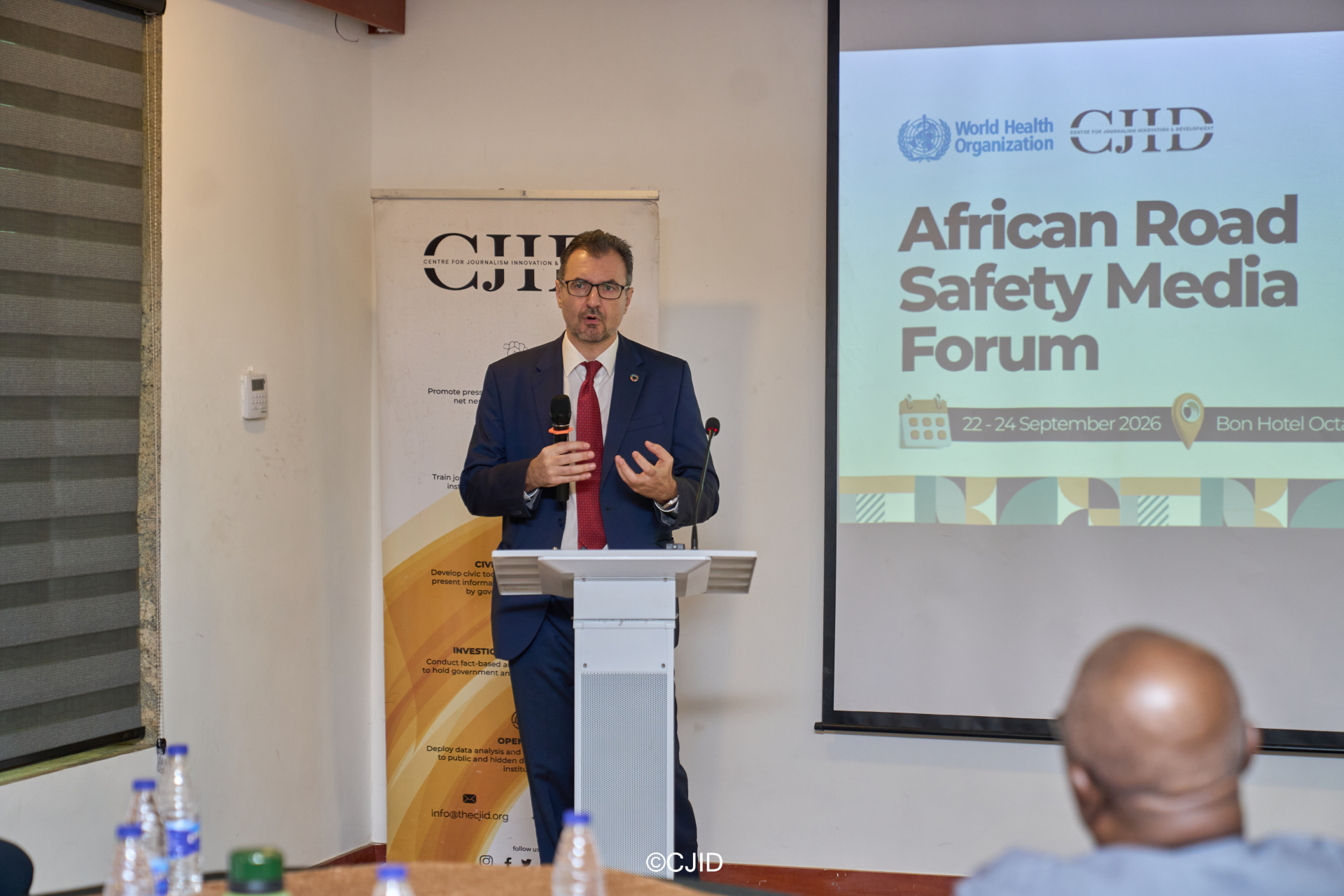
The World Health Organisation (WHO) and the Centre for Journalism Innovation and Development (CJID) have started working on Africa’s first road safety media guidelines. The goal is to improve how newsrooms across Africa report on road accidents and make sure there is accountability for deaths that could be avoided.
This process began on Tuesday at the first African Media Forum on Road Safety in Abuja. The event brought together 20 editors, journalists, and media professionals from Ethiopia, Kenya, Nigeria, South Africa, and Uganda, along with road safety experts.
The guidelines are expected to be ready by mid-2027. They will offer a framework based on evidence for reporting road safety that goes beyond just counting casualties and describing how crashes happen.
Organisers say this initiative will encourage journalists to look at larger issues behind road deaths. This includes road design, vehicle safety, speed limits, traffic laws, enforcement, emergency response, and care after crashes.
Africa’s Road Safety Challenges
At the opening of the three-day forum, Pavel Ursu, the WHO Country Representative in Nigeria, said road traffic injuries are a big public health and development issue that needs urgent action.
Mr Ursu noted that nearly 250,000 people die on roads in the WHO African Region each year. This is about one death every two minutes.
He added that the region has about one-fifth of the world's road fatalities but only three percent of the world’s registered vehicles.
According to WHO, Nigeria has the highest number of road traffic deaths in the region, with more than 36,000 deaths every year.
Mr Ursu explained that how journalists cover road crashes can affect public understanding and accountability for road safety.
“This is about closing the gap between science and story. It’s about correcting misperceptions on an urgent and preventable health crisis and driving accountability for action that saves lives,” he said.
He encouraged media leaders to change the conversation around road safety. They can help increase the demand for policies that prevent deaths and serious injuries.
Changing the Way Crashes Are Reported
Akintunde Babatunde, Executive Director of CJID, said the choices made in newsrooms can affect whether road crashes are seen as personal tragedies or as failures in public policy.
“Through this forum, CJID and the WHO will work with editors, journalists, and influencers across Africa to create a shared, evidence-based standard for covering road safety. This way, reporting can hold power to account and become part of the solution, not just a record of loss,” Mr Babatunde said.
Dapo Olorunyomi, Publisher of PREMIUM TIMES and CEO of CJID, noted that the forum aims to change a common trend in African newsrooms. He pointed out that road crashes are often reported as isolated events, ending with casualty numbers and police accounts.
Mr Olorunyomi stressed that journalists should dig deeper into what causes a crash instead of just reporting what happened.
He raised questions about the condition of roads, lighting, speed limits, vehicle safety, law enforcement, and emergency services.
He also challenged the common explanation of drivers simply “losing control,” asking if this truly explains why crashes happen.
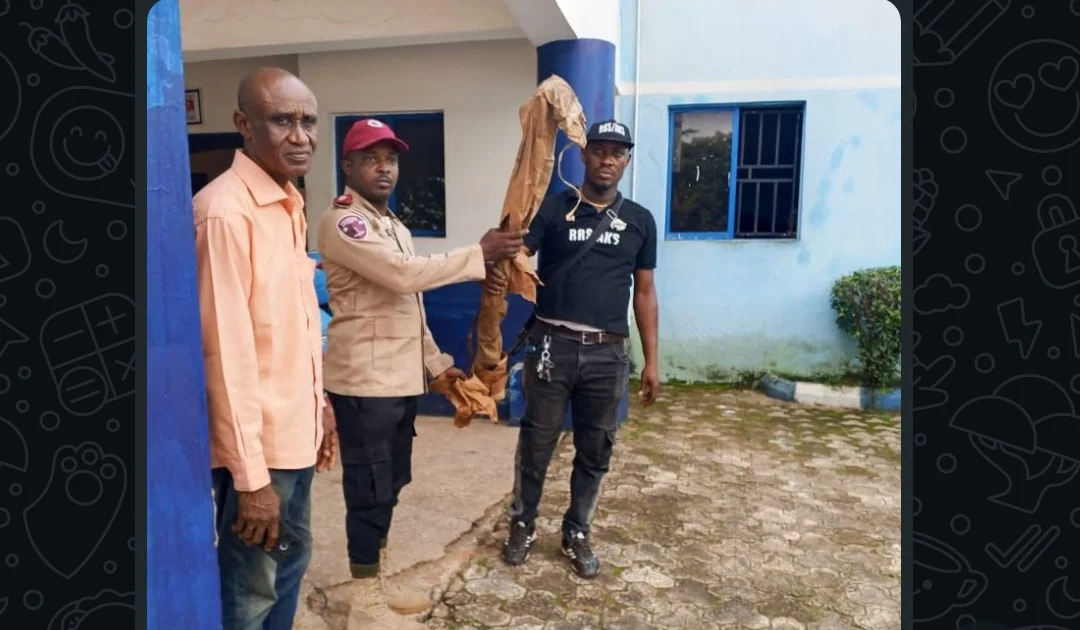
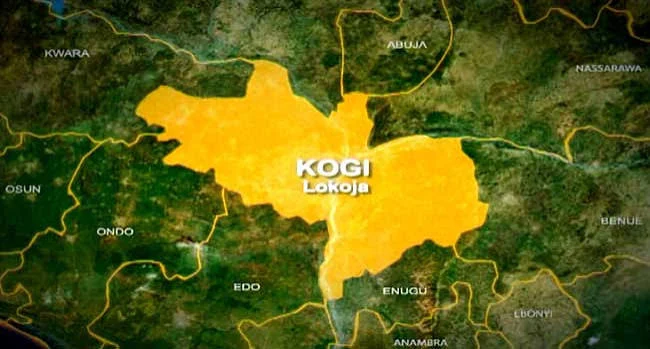
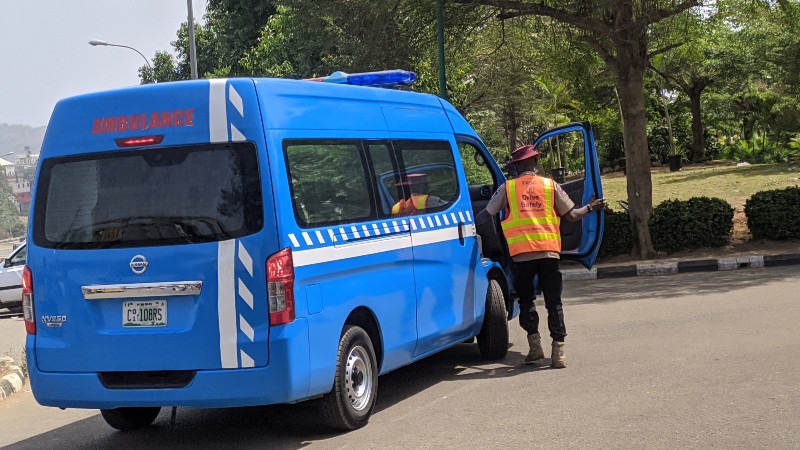
Mr Olorunyomi stated that evidence shows this is a widespread issue in Africa, where reporting often ignores infrastructure, regulations, enforcement, and other underlying factors.
Journalists to Help Develop Guidelines
Mr Olorunyomi explained that the guidelines would not just be handed to African newsrooms by WHO and CJID.
Instead, editors and journalists who make daily decisions will help create the framework.
“We don’t want to sit somewhere in Abuja with WHO and CJID and write a document telling African journalists how to report road safety. The editors and journalists who actually make these decisions every day need to shape it,” he said.
He added that the process will continue after the three-day forum with a core group of editors. There will be further review and eventually, the guidelines will be adopted by newsrooms.
Journalists will also receive support and mentorship to create stories using the new framework. This will help assess what works and what needs improvement.
Mr Ursu said this initiative marks the start of a framework created by African media professionals for their peers.
“This forum marks the beginning of the development of Africa’s first road safety media guidelines, created by editors, journalists, and content creators for their peers,” he said.
“We hope these guidelines will become a trusted standard for newsrooms across the continent, strengthening public demand, accountability, and action to save lives.”
The forum builds on WHO’s wider road safety journalism initiative, supported by Bloomberg Philanthropies. Over 5,000 journalists have been trained in countries with high road fatalities, with participants from Ghana, Nigeria, and India producing award-winning reports.
Enforcement Alone Won’t Solve the Problem
Shehu Mohammed, Corps Marshal of the Federal Road Safety Corps (FRSC), said tackling road deaths needs more than just enforcement by road safety agencies.
Mr Mohammed, who was represented by Abiodun Akinlade, Deputy Corps Marshal Training Department, called for stronger partnerships among the media, government agencies, transport operators, civil society, development partners, and the public.
“At the Federal Road Safety Corps, we recognise that enforcement alone cannot solve the road-safety challenge,” he said.
He urged the media to go beyond reporting individual crashes and focus more on their causes, prevention, and the responsibilities of different stakeholders.
“I therefore urge this Forum to move beyond reporting crashes to telling the larger road-safety story: why crashes occur, how they can be prevented, and what every stakeholder can do to save lives,” he said.
The FRSC chief mentioned that responsible reporting could help highlight dangerous practices, promote safer behaviour, and demand accountability from those in charge.

Drop your comment
No comments yet — be the first to drop the gist 👇