The World Health Organisation (WHO) is urging African nations to step up their fight against antimicrobial resistance (AMR). They warn that drug-resistant infections are putting lives at risk and damaging healthcare systems all over Africa.
WHO reported that bacterial AMR was linked to about 4.7 million deaths worldwide in 2021. Sub-Saharan Africa had the highest rates of deaths related to AMR.
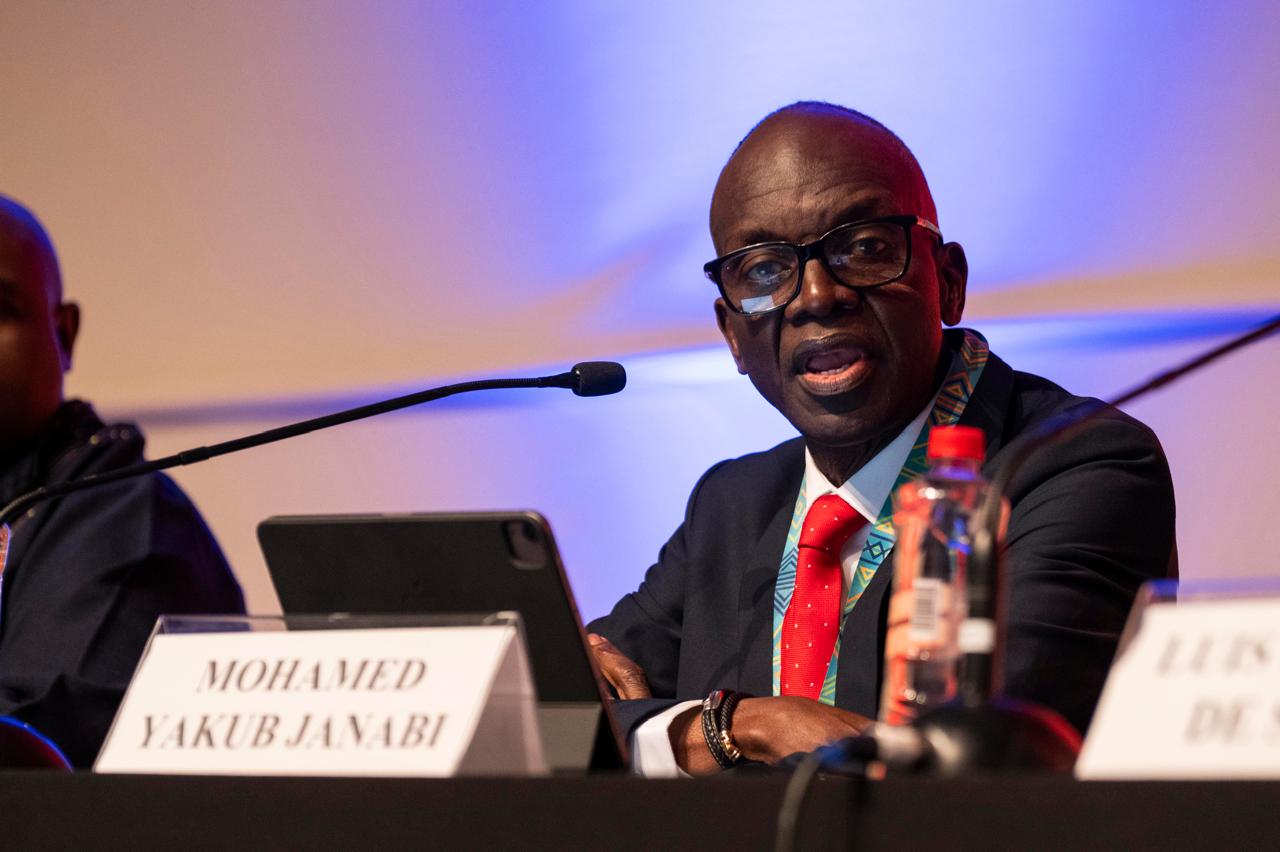
Mohamed Janabi, the WHO Regional Director for Africa, made this statement in a message for World AMR Awareness Week. This week runs from 18 to 24 November with the theme, “One Health, One Action: Prevent AMR Now.”
AMR happens when bacteria, viruses, fungi, and parasites stop responding to the medicines meant to treat infections. This makes diseases harder to manage.
Mr Janabi highlighted that wrong use of antimicrobials in people and animals, poor infection control, lack of clean water and sanitation, and unsafe waste disposal are all helping drug resistance spread.
He called for stronger actions in human, animal, plant, and environmental health. He stressed that stopping infections can lower the need for antimicrobial medicines.
Progress and gaps in Africa
WHO noted that all 47 countries in Africa now have national action plans to tackle AMR, but the way they are being carried out differs.
All 47 countries are also part of WHO’s Global Antimicrobial Resistance and Use Surveillance System. Of these, 44 can do tests to check which antibiotics will work against priority bacterial pathogens.
The agency mentioned that 36 countries have taken on its Access, Watch and Reserve (AWaRe) classification of antibiotics. This is to promote the right prescribing and responsible use of antibiotics.
WHO aims for 70 percent of antibiotics used in human healthcare to come from the Access group by 2030.
Coordination between sectors has gotten better. The number of countries with working One Health AMR governance mechanisms has gone up from 15 in 2023 to 29 in 2026.
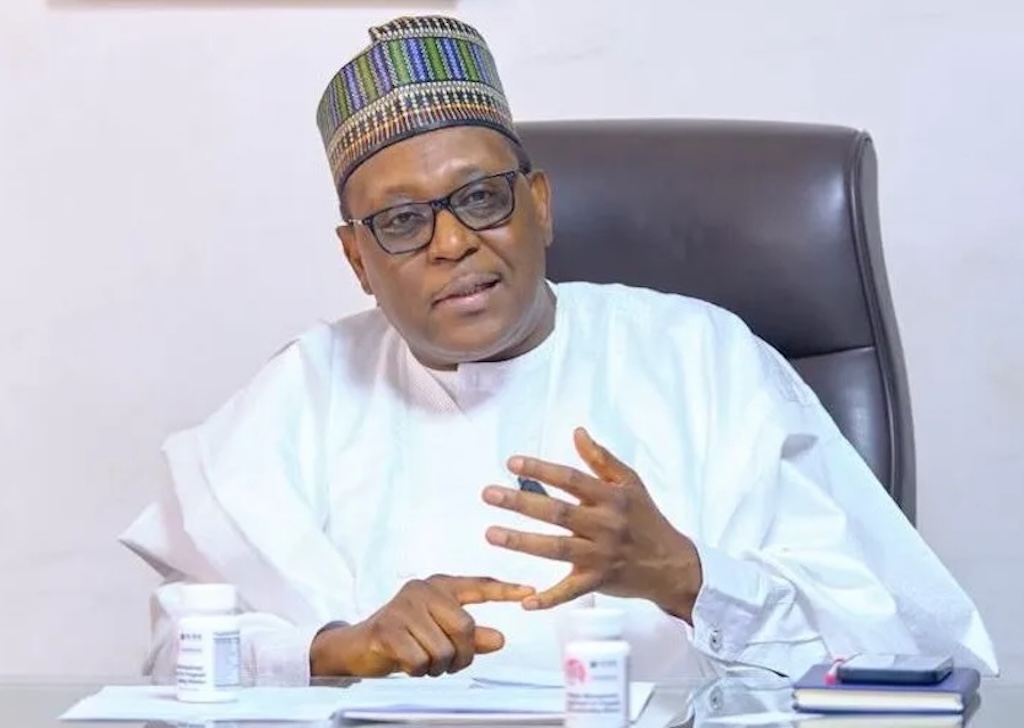
But Mr Janabi said countries need to turn these improvements into better protection for communities. This means more investment in labs, surveillance, infection prevention, and responsible antimicrobial use.
He called on governments to fund their national action plans, create clear responsibilities, and track progress.
Nigeria to host global AMR conference
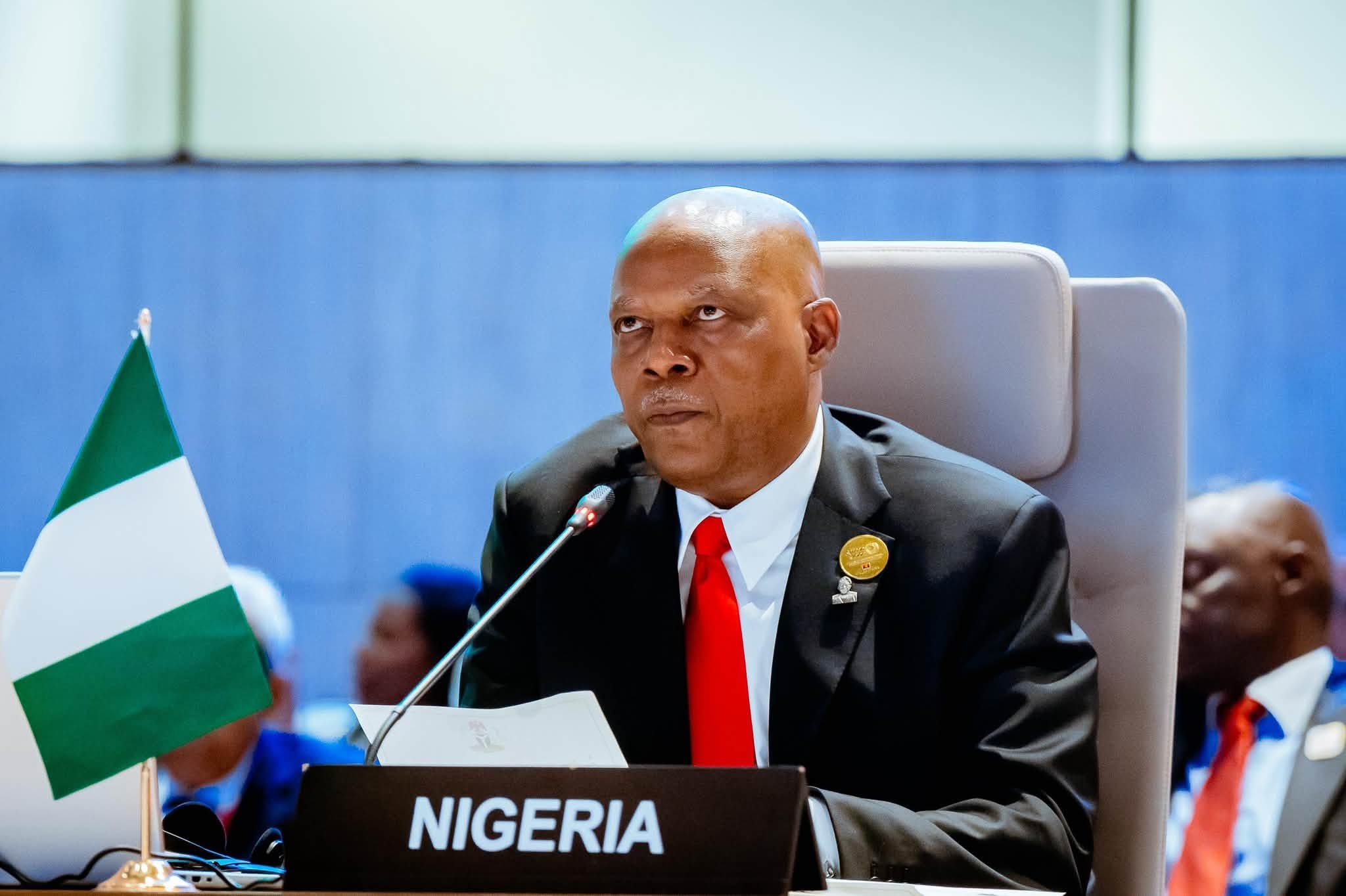
Nigeria is set to host the fifth Global High-Level Ministerial Conference on Antimicrobial Resistance in Abuja from 6 to 8 December.
This conference is the first of its kind on African soil. It will bring together government officials, public health experts, and other stakeholders to look at progress and strengthen global actions against AMR.
The theme for the meeting is “One Health: Advancing Global AMR Commitments through Local Action.”
It will focus on turning global commitments into real actions in human, animal, and environmental health. It will also look at improving funding and accountability.
Mr Janabi called on health workers, farmers, researchers, development partners, and communities to join in stopping drug resistance.
He urged the public to keep vaccinations up to date, wash hands properly, only use antibiotics when prescribed by qualified health professionals, and not share leftover medicines.
“AMR is everyone’s business. Let us each choose one concrete action this week, sustain it throughout the year, and encourage others to act,” he said.



Drop your comment
No comments yet — be the first to drop the gist 👇