In a recent chat about the growing insecurity in Nigeria, I asked a friend about the abduction of 42 pupils from Primary and Junior Secondary Schools in Mussa, Askira-Uba Local Government Area, Borno State. She looked at me and said she had never heard of it. This was three weeks after it happened. Some of the abducted children are as young as two to four years old.
This kidnapping happened on the same day as a shocking incident in Oyo State, where children were taken from Esiele and Yawota communities. Tragically, one of the abductees and a teacher were later beheaded. The pain and anger over the Oyo incident have been very loud. But the Borno abduction seems to have been forgotten. I want to be clear. Taking our children from their homes and leaving them to face harsh weather is terrible and hard to understand.
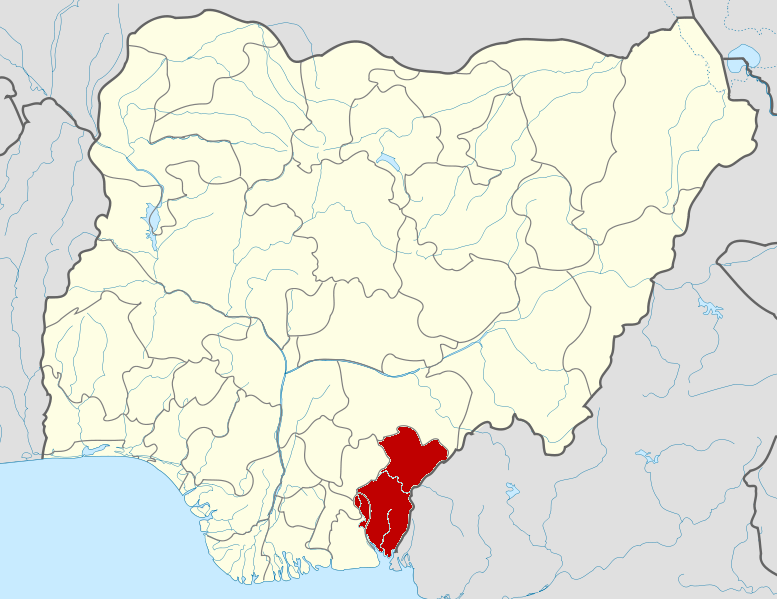
Yet, both incidents occurred on the same day. While social media focused on the tragedy in Oyo, the abduction in Borno got little attention. Borno is in the North-East and has faced violence from Boko Haram for nearly 20 years. The group is known for kidnapping schoolchildren and killing innocent people, which has displaced millions.
In contrast, Oyo State in the South-West has been relatively peaceful until recently. Like all states in Nigeria, Oyo is not safe from crime that has spread across the country over the years.
Despite the Oyo abduction trending and going viral, many people, like my friend, are unaware of what happened in Borno. Why is this? Is there a media blackout, censorship, or some cover-up? I have my theories, but I asked AI to help me understand why Askira-Uba is quiet while Oyo is buzzing.
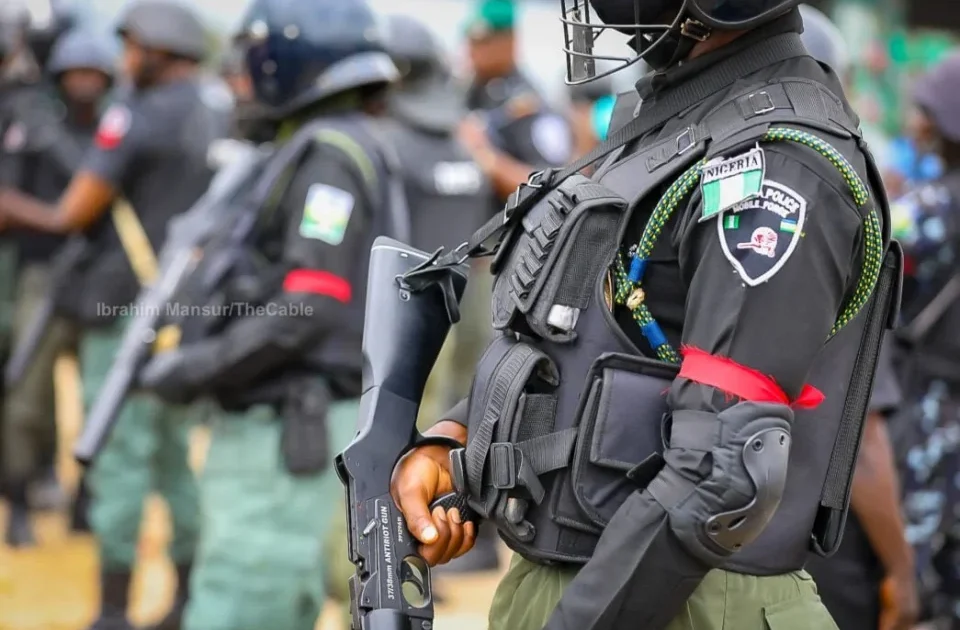
The authorities have not helped the situation regarding the Borno abduction. The government has struggled to keep schools safe. But its quick response to Oyo, with a visit from President Tinubu's Chief of Staff, Femi Gbajabiamila, along with the Defence Minister Christopher Musa and National Security Adviser Nuhu Ribadu, was notable.
This response shows the government's focus on the Oyo case compared to its negligence of Askira-Uba. Even though the president's visit to Oyo was ineffective, it still came two weeks after the incident. In Borno, there was no such visit, except for Governor Babagana Zulum, who ordered the closure and relocation of the school.
Going back to my thoughts on these two events and what AI found, it's clear that news spreads fastest where there is a media presence. Ibadan, the capital of Oyo, is just 130 kilometers from Lagos, Nigeria's media hub.
Most national newsrooms and influencers are in the South-West. A school abduction in Oyo is just a two-hour drive from many TV studios. Askira-Uba is in southern Borno, a full day's journey from Maiduguri, the state capital. The bad roads and lack of mobile network coverage make it hard for journalists to get there. When reporters can't reach a story, it gets forgotten in a remote part of the country, where social media influences are limited.
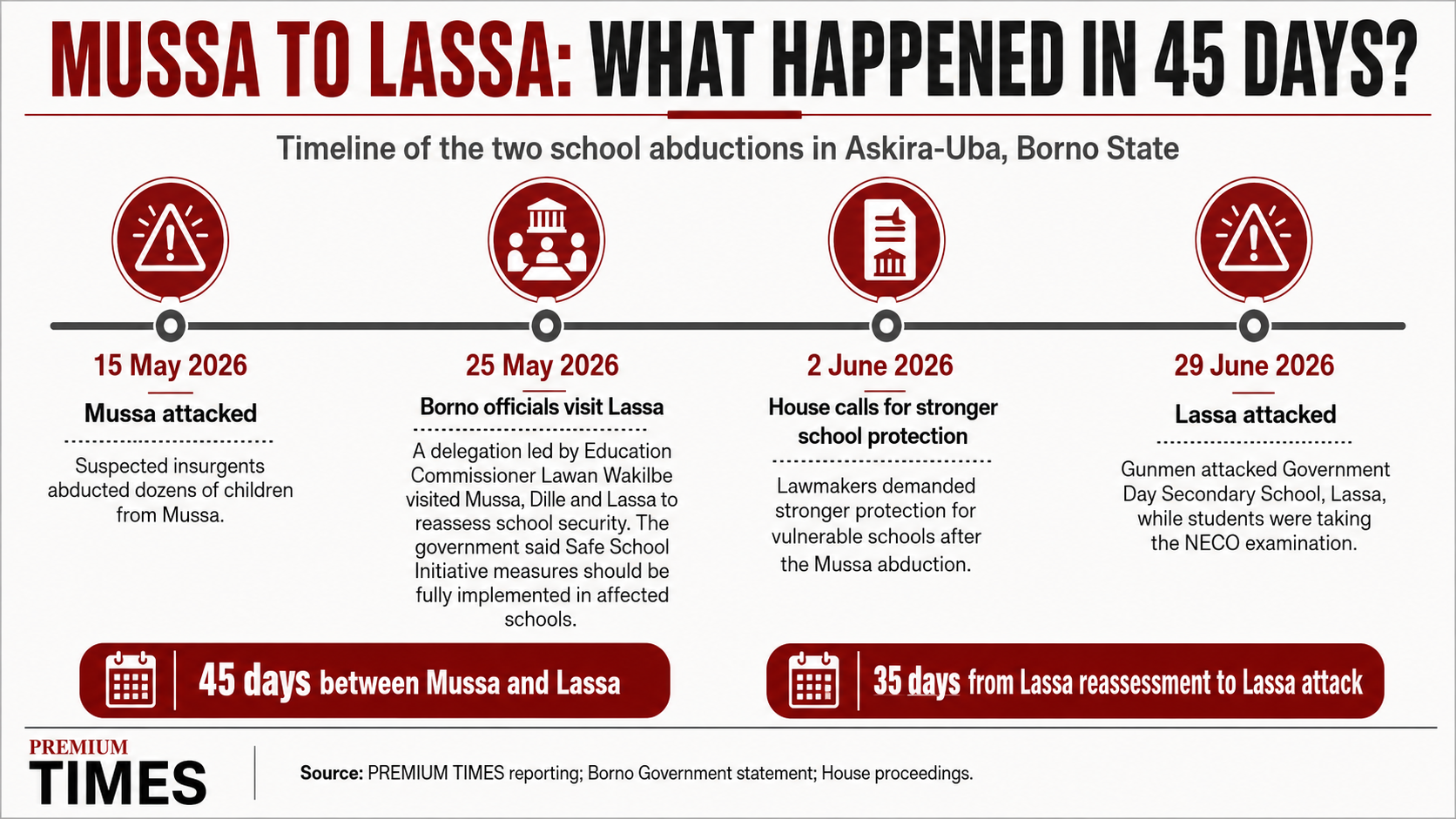
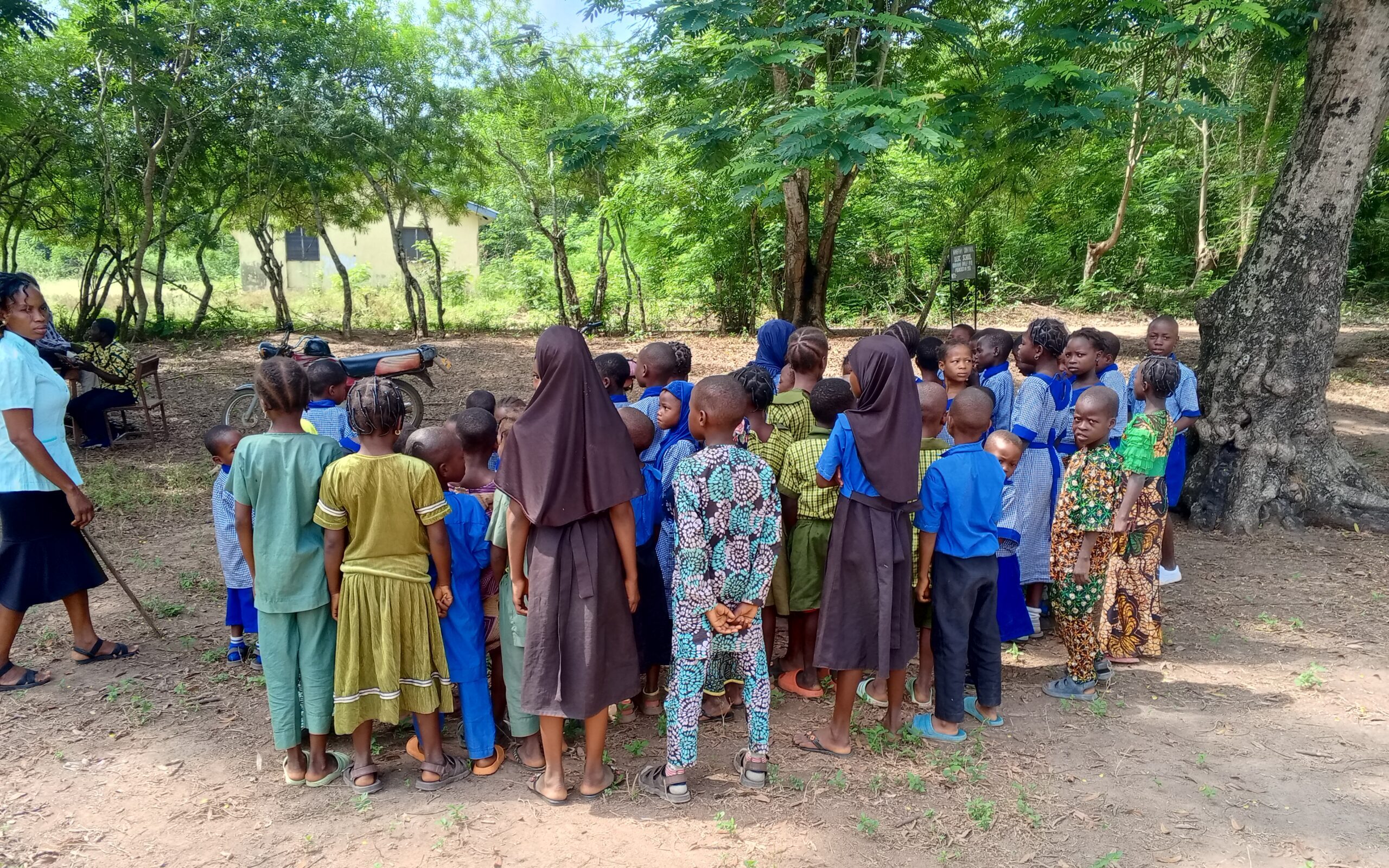
Borno and the North-East have faced similar tragedies before. They have seen so much pain that residents seem numb to it. Areas like Chibok and Damasak have had over 1,000 students taken since 2014. When the Askira-Uba incident happened, many news outlets may have thought, "Not again?" It’s how human attention works.
In Oyo, parents were live on Instagram within hours, community leaders were calling radio stations, and Yoruba groups were making statements before the day ended. In Askira-Uba, families are in distress, traumatized, and often lack access to mobile data. Many fear retaliation for speaking out. Local leaders sometimes keep quiet to negotiate with kidnappers. Northern elites, wary of being labeled as “terrorist sympathizers,” often choose silence when it comes to insecurity unless it affects their political interests.
The fact that the President is from the South-West matters. It doesn't mean he ordered a media blackout, but it does mean that problems in his region get more attention. When violence strikes his home area, local leaders and lawmakers reach out to Aso Rock faster. This leads to more visible government reactions like condemnations and police deployments. In Borno, responses are often filtered through military channels, with the usual statement that "military operations are ongoing," which no longer captures attention. This gives the impression that Abuja cares more about the South.
Nigeria's media landscape is divided. Lagos, Ibadan, and Abuja set the national agenda. Maiduguri, Damaturu, and Yola report but do not drive it. Most viral hashtags come from the South. Northern voices are often fragmented by language and more active on Facebook and Hausa radio than on Twitter, so they often get drowned out. While #OyoAbduction trends beyond Nigeria, Askira-Uba becomes just another headline: "Gunmen abduct pupils in Borno."
Editors may not admit it, but coverage often depends on scale and novelty. Five children in Oyo means “insecurity has reached the South-West.” Five in Borno means “insecurity continues in the North-East.” One suggests a new danger; the other confirms a long-standing issue. It triggers concern in the middle class; the other is filed under “crisis zone.” It’s not that northern lives matter less, but their loss has become normalized over the years.
After years of Boko Haram violence, many communities prefer quiet negotiation rather than loud advocacy. Sometimes, speaking out can lead to worse outcomes. Others have lost hope, believing that trends rarely bring change. Many girls from Chibok are still missing. Leah Sharibu from Dapchi faced tragedies in Buni Yadi, Kaduna, Niger, Kebbi, Zamfara, Katsina, and Kwara. But silence has effects. When people forget, the government feels less pressure and can ignore the issue more easily.
So, can we say the lack of media attention on the Askira-Uba children is politics? Maybe. Is it partly media bias or northern complacency? Partly. Is it the North-South divide at play? Possibly.
Most importantly, governments respond more to areas that consistently apply pressure. Nigeria is so divided that even grief cannot unite us. But even if many Nigerians don’t care about the Askira-Uba children, what about the government’s negligence and the unequal response? Clearly, in Nigeria, some lives seem more important than others.
Drop your comment
No comments yet — be the first to drop the gist 👇