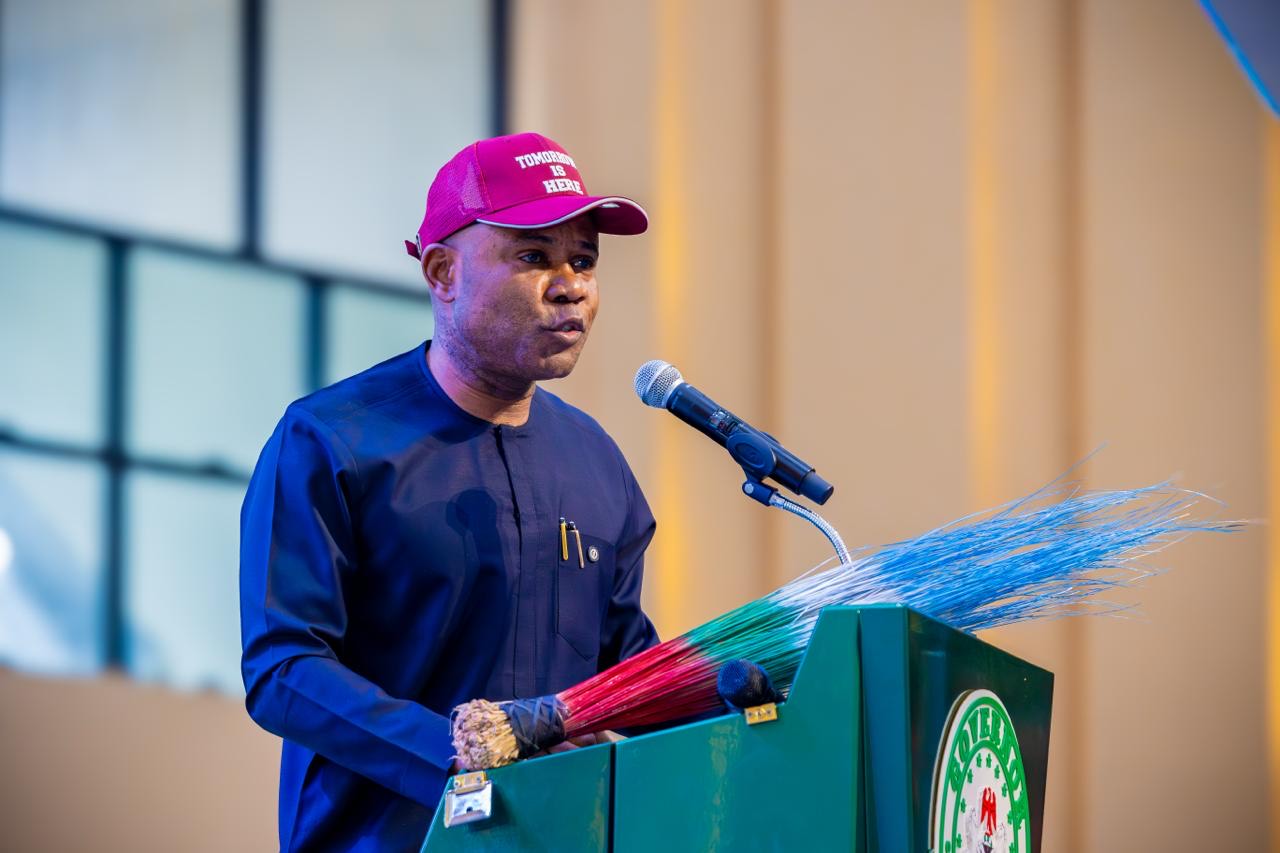
The Enugu State Government signed grant agreements with four renewable energy companies on Wednesday. This deal will provide electricity to four rural communities in the state's three senatorial districts.
The signing took place during the Renewable Energy Development for State Electricity Market (REDSEM) Grant Agreement Signing Ceremony in Enugu.
The event was organized by the Enugu State Government, with help from the Nigerian Energy Support Programme (NESP) and the German Development Agency (GIZ).
The communities set to benefit are Okpatu, Ugbawka, Agonta, and Ijabe. The chosen developers for this project include Darway Coast Nigeria Ltd and Sea Solar Energy Limited.
Chijioke Okonkwo, the chairman of the Enugu State Electricity Regulatory Commission (EERC), said this program starts the process of bringing electricity to four communities that lack power. He shared that the project is funded by a grant from the German Government through GIZ.
The grant will cover the purchase of important equipment like solar panels, batteries, inverters, and other materials needed for solar mini-grids with at least 200 kilowatts of generation capacity in each community.
"In a nutshell, it means that four communities in Enugu State will have electricity within the shortest possible time, potentially within six months if implementation is fast-tracked," he said.
Mr. Okonkwo explained that the grant covers 80 percent of the project cost. The developers will provide the remaining 20 percent for civil works, metering, operations, and electricity service delivery.
He pointed out that electricity from this program will not be free but will come at affordable rates to ensure the project can continue.
The EERC chairman mentioned that these communities are among 113 identified by the state government for electrification.
He added that the communities have already provided land and signed agreements to welcome the developers. Regulatory agencies will ensure that standards and consumer protection laws are followed.
Joshua Garba, who leads sustainable energy investments at GIZ-NESP, spoke about how the project is funded by both the European Union and the German government.
Mr. Garba praised Enugu State for being a leader in implementing Nigeria’s Electricity Act. He noted that the state is often mentioned at meetings for its progress in the electricity sector.
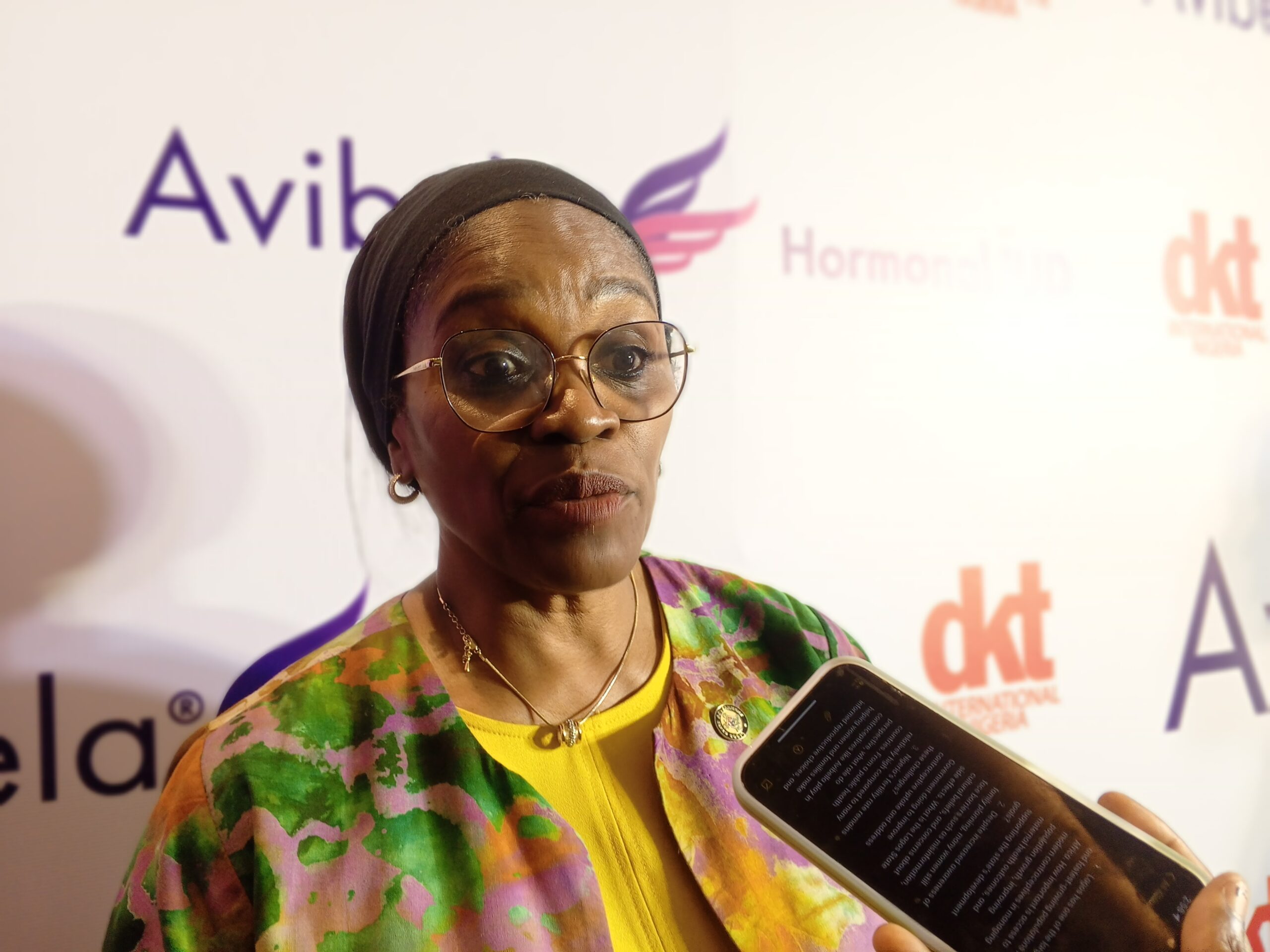
"We are pleased to be part of this journey and will continue to support the state beyond the current intervention," he said.
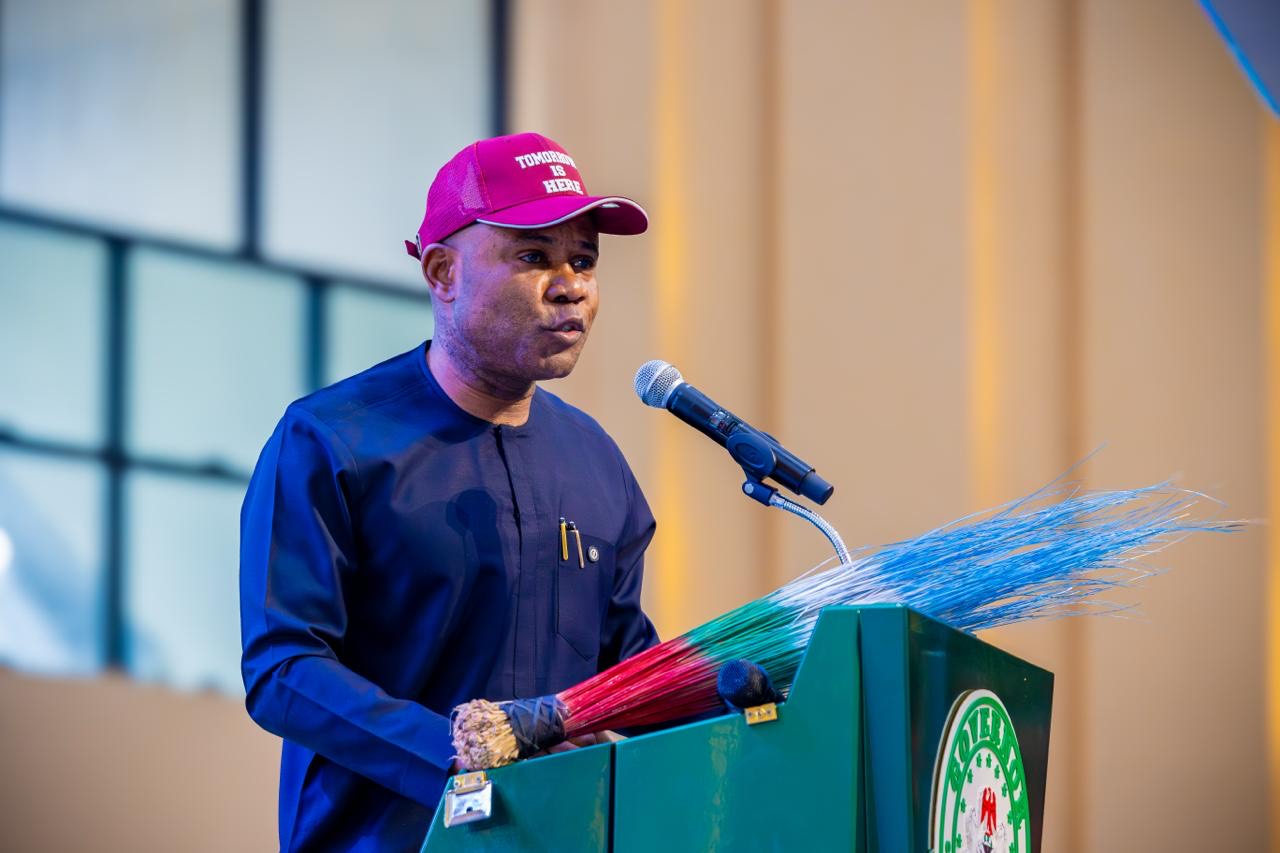
Chidiebere Onyia, the Secretary to the Enugu State Government, represented Governor Peter Mbah at the event. He said the partnership fits with the government’s goal of making Enugu more attractive for investment through better infrastructure.
Mr. Onyia stressed that reliable electricity is key for economic growth, security, healthcare, education, and rural development. He assured investors that the government is committed to supporting projects and removing unnecessary delays.
He also highlighted the need for community involvement and security, asking traditional leaders and community members to protect the infrastructure.
Franklin Enyinna, the Commissioner for Energy and Mineral Resources in Enugu, described this project as a major step toward the state’s economic transformation agenda.
"You cannot grow Enugu’s economy from $4.4 billion to $30 billion without reliable power supply. This project aligns perfectly with the governor’s vision of making Enugu an investment-friendly destination," he said.
Christopher Ezeoha, the Managing Director/CEO of the Enugu State Electrification Agency, stated that the agency will oversee the project to ensure it meets technical standards and remains sustainable.
Chibueze Ekeh, the CEO of Sea Solar Energy Limited, spoke for the developers. He said the selection process was tough, with only a few firms chosen.
Mr. Ekeh mentioned that the projects will provide reliable 24-hour electricity to rural areas for the first time, improving lives, security, and economic activities.
He noted that Sea Solar Energy Limited expects to directly serve about 600 households, which means nearly 3,000 people will benefit.
Across the four communities, around 8,000 residents will enjoy solar systems with generation capacities between 200 and 300 kilowatts peak.
Mr. Ekeh is hopeful that after meeting all grant conditions, the project will be completed within 12 months.

Drop your comment
No comments yet — be the first to drop the gist 👇