The wisdom of our ancestors teaches that no one should ask another person to help them with their personal business, especially when it comes to relieving oneself. Not even your child. The Yoruba saying goes, “A kì í fi iṣé ìgbònsè rán ọmọ ẹni.” In those days, life was simpler and honesty was more valued. It was unthinkable to ask anyone, no matter how close, to take on such a personal task. This wisdom has kept trickery at bay for centuries. But now, we live in strange times. The world has turned upside down.
When I heard the president of Nigeria speak last Wednesday at the State House Banquet Hall in Abuja, I felt a wave of discomfort wash over me. He spoke just after launching the APC Presidential Campaign Council. The president boldly declared that he wouldn’t be everywhere campaigning for votes.
He seems to want to hand over this important task to his vice president, the APC chairman, Nentawe Yilwatda, the gruff Nyesom Wike, and the 31 governors who follow him. To help with his campaign, he also has the lively man from Osun State and the man in Awka who sold his brother for political gain. Together, they are meant to carry out this task.
“You have warned me and asked me not to let the rigour of the campaign distract me from governance. I hear you. I agree with your decision. Nigeria needs more attention now than ever before. This office's responsibility does not pause... So, you will excuse me from going everywhere with you,” he told a crowd that seemed unfazed by this unusual statement.
Many Nigerians had predicted this moment two years ago when they saw how weak the president was becoming. As he told what seemed like a big lie, I wished I could have been there to see if blood was on his lips. He would be a good example to test the Yoruba saying about lying. In Yoruba culture, telling a lie is seen as equal to “killing a lie” (pa iró), but it is believed that liars do not have blood on their lips.
This morning, I listened to Chief Commander Ebenezer Obey’s classic Jùjú song, “A ńjáde L’ónìí, Elédùmarè.” It is a morning prayer asking for protection from the troubles of the world. For many Yoruba families, this song has been a morning ritual for decades. The Yoruba people take their morning prayers seriously.
In 1982, after that prayer, Obey and his band sang about how life is full of difficulties and dishonesty. They warned that the world is filled with evil, making life tough. The song also suggests that leaders are becoming more deceitful while the people are increasingly treacherous. To get through this difficult life, the song said we need divine protection.
As I listened to the president speak through a haze of clear lies, I felt pity for him. It shows how powerful God is. How can a man spend his life chasing a big dream and then struggle when faced with success?
I remembered Odolaye Aremu’s famous saying: “Ohun t’óo l’óó dà l’o dà yí o!”, “This is what you have pursued all your life…” He was talking about a powerful man who thought that wearing a fine cap was the height of manliness. Our elders say that knowing how to wear a cap is just a small part of being elegant. The cap should fit well, and that can only be granted by God. Continuing this conversation, Yusuff Olatunji sang about those who called for war but ran away when it started, “Ẹyin l’ẹ p’ogun tí ẹ sá f’ógun, ẹyin l’ẹ p’òtè t’ée fi s’éyìn.”
How can a man who wanted to be president now pass on one of the most important duties of a president, the campaign? Allahu Akbar!
As the 2027 elections approach, things seem to be falling apart, and rules seem irrelevant. The truth is, there is a lot of mystery around Nigerian politics.
Often, when you lie, you need more lies to cover it up. This sums up the presidency's almost four-year attempt to hide behind a single lie. Last week, Pope Leo XIV underwent surgery in Rome to remove cancer from his lung. The world learned about his surgery and the doctor’s name, Professor Stefano Margaritora. Leo, who leads about 1.4 billion people, is expected to stay in the hospital for about a week. He openly shared his health struggles with everyone. As our people say, if you do not hide the Ifa corpus from me, I have no reason to hide the Ọpẹlẹ, the sacred divination chain, from you as well.
For African leaders, especially the one who recently disappeared for 30 days in France, it is time to understand that being open and accountable is not just about money. Being open about health issues is also part of being accountable. Those who created democracy said it thrives on leaders engaging directly with the citizens they serve. Handing over his interaction with the people he governs, while not breaking any laws, shows a clear retreat from the responsibility he has to the people.
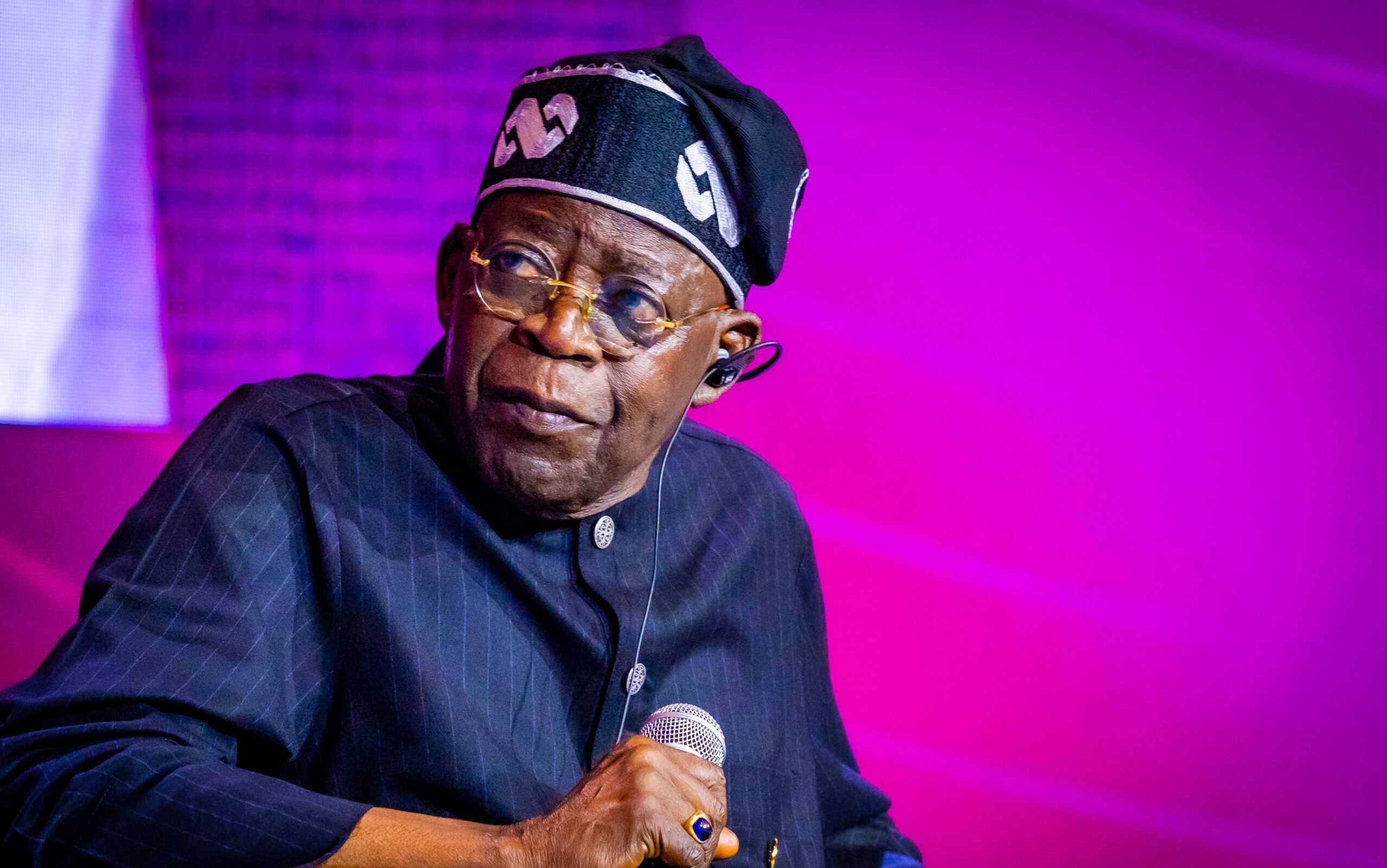

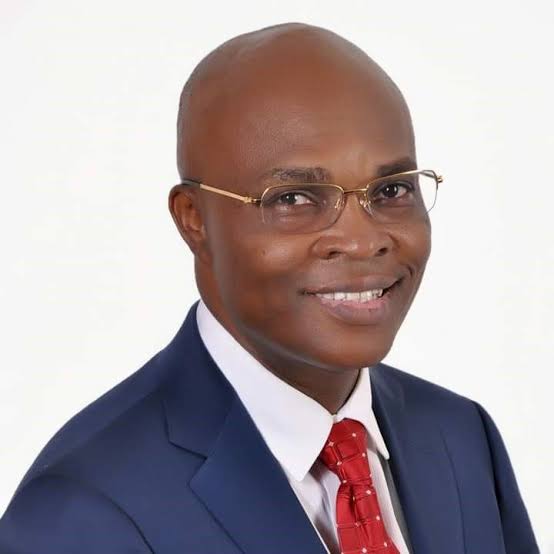
This is a clear refusal to take responsibility, keeping the leader away from the real issues and complaints of the citizens. By asking others to campaign for him, the president cleverly avoids being scrutinized by the people he was elected to lead, whose cries about rising living costs, security issues, and the need for economic reforms are growing louder.
No matter how smooth Nentawe Yilwatda sounds on the campaign trail, he cannot replace the direct connection the president has with the people. Nyesom Wike’s loud voice may rally some support, but he cannot answer for the president’s policy failures or take real ownership of the government’s actions.
Perhaps, the APC and the president think that the campaign is just a side show. It is not. It’s a serious process where the leader faces the people who gave him their trust in 2023. To dismissively say that Tinubu will not be out campaigning because “We have bills to pay” and that he wants to focus on national development is a blatant lie. When faced with such obvious trickery, my people often compare it to a boastful man who claims he can thread a needle in the dark instead of doing what he should. The truth is, the president’s health may not be able to handle the demands of campaigning. Simple!
By avoiding direct conversations about growing security and economic problems, Aso Rock is increasing public disappointment, which could lead to serious unrest.
During the 1983 elections, President Shehu Shagari began this same aloofness. He relied on powerful party leaders to run campaigns while he stayed hidden in the State House in Lagos. He created the image of a president disconnected from the people's growing dissatisfaction. Many saw this as a way to protect weak candidates from tough questions from the press and public. By the time Shagari realized the consequences, he had lost public trust, even though he was officially declared the winner of the 1983 elections.
President Jimmy Carter in America faced a similar fate in 1980. He applied what became known as the “Rose Garden strategy” during his re-election campaign. He stayed in the White House, claiming he was focused on his duties instead of connecting with voters. He canceled foreign trips and regular campaigning, choosing to manage crises from the Oval Office.
As time passed, Carter was seen as an ineffective leader trapped by circumstances. The media painted him as anything but a busy leader. By the time he realized that this approach was a mistake and tried to reconnect with voters, it was too late. He lost the 1980 election to Ronald Reagan.
When the president told that blatant lie about staying home to address Nigeria’s issues last Wednesday, Nigerians couldn’t help but laugh. A man who just returned from a 30-day trip, ignoring the country’s issues, suddenly claims to care. Now that he needs to face the people, he has picked only 12 states to visit. Another question is, if he is indeed absent from the campaign to focus on Nigeria’s development, why are all the key people needed for that development involved in the campaign? I remember a line from James Hadley Chase, a liar must have a very good memory.
The president's choice to delegate his interactions with the people who elected him to campaign surrogates reminds me of Ayi Kwei Armah’s chichidodo bird. This bird, from Armah’s book The Beautyful Ones Are Not Yet Born (1968), hates dirt and excrement but only eats the maggots that grow in it.
This chichidodo serves as a lens through which political analysts view leadership and responsibility, as well as how leaders separate themselves from real issues. Armah describes the chichidodo as a bird that detests filth but relies on it for survival. While this bird seeks to maintain a pure image, it cannot escape the mess that sustains it.
Like the chichidodo, the president’s strategy of passing off accountability to campaign surrogates shows a reluctance to face the truth. By delegating the responsibility of explaining his administration’s successes and failures to aides and supporters, he creates a protective barrier. Our own chichidodo cannot separate its needs from the environment that feeds it. The bird symbolizes a hypocritical attempt to benefit from a situation while pretending to be above it, which reflects the president’s current position.
Overall, I lack the words to express the baffling situation at Aso Rock. It is hard to believe that those we trust give us less in return. They want the benefits without putting in the effort. They ignore the wisdom that says, “Don’t jump in the water if you can’t swim.”
Drop your comment
No comments yet — be the first to drop the gist 👇