There are writers, there are thinkers, and there are giants whose impact goes beyond books to shape the heart of nations. Professor Akinwande Oluwole Babatunde Soyinka, known as Wole Soyinka, is clearly in that last group. As he turns 92, the world pays tribute not just to Nigeria’s top literary figure, but to a true champion of justice, freedom, and human dignity.
For more than seventy years, Wole Soyinka, often called Kongi, has been a fearless voice against oppression and injustice. His life has been marked by great bravery, deep knowledge, and a strong commitment to truth, no matter the cost. He is more than a Nobel Prize winner; he is a force whose influence reaches from Africa to Europe, the Americas, and Asia.
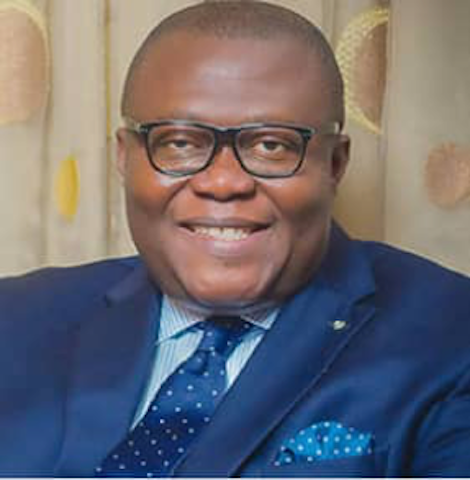
I had the privilege to meet Kongi closely in August 2023. Jahman Anikulapo, my brother, friend, and colleague, who is also Soyinka’s trusted mentee, invited me to a Public Exchange called “Isese, Samarkand and Other Markets of the Mind.” This event took place at Kongi’s Harvest Art Gallery in Freedom Park, Lagos. The masterclass on public intellectual engagement was more than just a talk on Yoruba traditional religion; it opened up discussions on religious freedom, cultural identity, intellectual inquiry, and democratic values.
At the Isese forum, we had a mix of journalists, scholars, writers, lawyers, artists, theatre practitioners, traditional religious followers, diplomats, and cultural lovers. This gathering of different minds shows Soyinka’s unique ability to bring together diverse groups.
The event happened during a time of controversy over Isese Day celebrations, especially in Kwara State, where traditional worshippers faced opposition. Soyinka pointed out that Isese is not against Christianity or Islam; rather, it is a valid spiritual and philosophical tradition that deserves respect under Nigeria’s Constitution. He argued that those who try to suppress others' beliefs are showing insecurity, not strength.
That’s Kongi for you, a respected global intellectual and cultural influencer. By calling Isese a “quest for illumination of the human condition,” Soyinka moved the discussion beyond rituals and religion. He framed Isese as a source of ethics, philosophy, history, aesthetics, and local knowledge. He challenged the old views that link African traditional beliefs with superstition, urging Nigerians to engage with their own rich heritage.
What struck me was that Soyinka didn’t just give a lecture; he had a long dialogue, taking questions and encouraging discussion. This highlighted his belief that knowledge grows through critical questioning, not strict rules.
After the Isese event, Anikulapo managed to get Soyinka to record a goodwill message for the third anniversary of Naija Times, which took place in Abuja on 19 October 2023. In his message, he emphasized the need for an independent media to promote effective leadership.
When Soyinka became the first African to win the Nobel Prize in Literature in 1986, it was about more than just his writing skills. It recognized a writer who expanded the world of literature while staying deeply connected to African history, mythology, and philosophy. His Nobel Prize was a key moment for Nigeria and all of Africa, showing that African voices deserve a place on the world stage.
Soyinka’s impressive body of work is one of the greatest contributions to modern literature. His plays challenge audiences with their depth and political messages. The Lion and the Jewel explores the clash between tradition and modern life. The Strong Breed looks at sacrifice and communal duty. Death and the King’s Horseman, often seen as one of the best plays ever, deeply examines colonialism, cultural misunderstandings, and moral duties. A Dance of the Forests, created for Nigeria’s independence celebrations, serves as a reminder that building a nation requires facing history honestly.
His novels also hold a significant place in world literature. The Interpreters shows the challenges faced by Nigeria’s intellectuals after independence, while Season of Anomy discusses the fight against corruption and dictatorship. His memoirs, like Ake: The Years of Childhood, You Must Set Forth at Dawn, and The Man Died, provide deep insights into personal experiences and national history. His essays reflect his sharp mind and honest views, which are his trademarks.
Beyond literature, Soyinka’s poetry has emotional and philosophical depth. His poems blend mythology, politics, spirituality, and human suffering, inviting readers to think deeply while rewarding them with insight. His skill with language is remarkable, mixing Yoruba cosmology with universal themes that resonate worldwide.
But we cannot celebrate Wole Soyinka without acknowledging his lifelong activism. Throughout his life, he has put principles above personal comfort. During Nigeria’s civil war, he bravely sought peace and suffered for it, spending nearly two years in solitary confinement. Instead of silencing him, this experience strengthened his resolve. His writings from prison are among the most powerful testaments to the human spirit's resilience.
Through various military regimes and civilian governments, Soyinka has always spoken out against injustice. He has criticized wrongs wherever he sees them, refusing to tie himself to any political group. His loyalty lies with democratic values, human rights, and the welfare of ordinary people, not with changing governments or political figures.
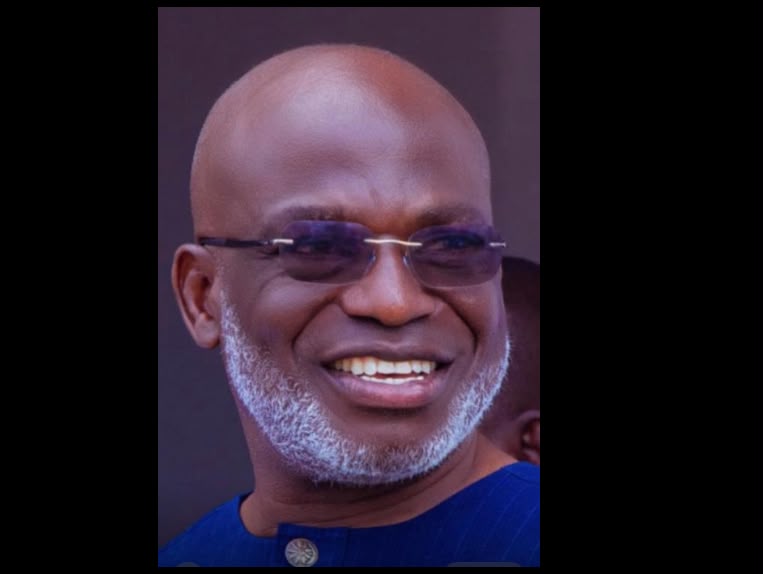
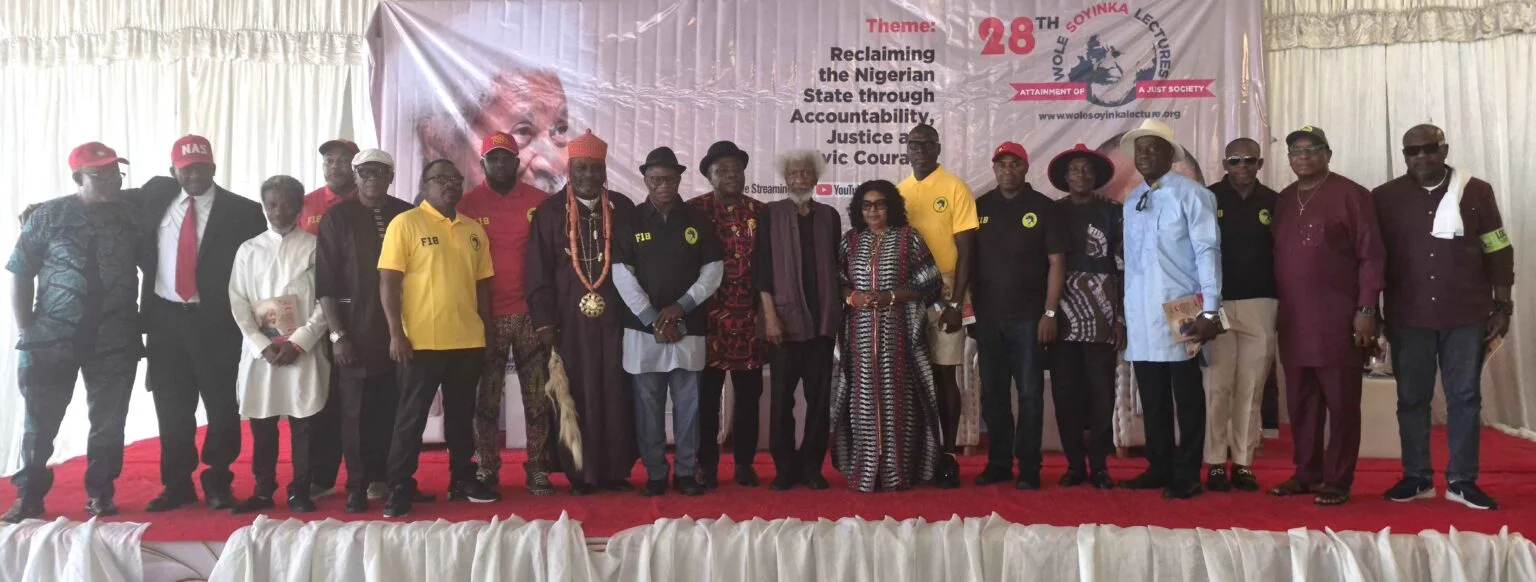

His moral bravery has inspired many journalists, scholars, students, lawyers, playwrights, and activists across Africa and beyond. Even those who disagree with him respect the integrity behind his beliefs.
Professor Soyinka’s influence reaches far beyond Nigeria. Few African thinkers have such a wide global network. He has taught at top universities in Nigeria, the UK, the US, and the UAE, sharing his vast knowledge of literature, theatre, history, and political thought with many students. As a visiting professor and public intellectual, he has become a respected voice for Africa in international academia.
His friendships and professional ties include Nobel laureates, presidents, diplomats, artists, philosophers, actors, and writers from around the globe. He has shared stages with world leaders while also engaging young students in classrooms and public discussions. His impact crosses many fields, making him not just a literary figure but an important global thinker.
International organizations often seek his advice on democracy, cultural identity, freedom of speech, and conflict resolution. Many universities have honored him with honorary doctorates and fellowships. Literary festivals worldwide celebrate his work, and scholars dedicate their careers to studying his ideas and writings.
One of Soyinka’s biggest achievements is his ability to connect Africa with the world while staying true to his culture. He has never changed his African identity for international acceptance. Instead, he shows that real African experiences resonate worldwide. His writings confirm that local stories, traditional beliefs, and African customs deserve a place in global discussions.
His love for theatre has also changed African performance arts. Through the Orisun Theatre Company and many productions, he brought African drama to the world stage while mentoring many playwrights, actors, and directors. Many of Africa’s leading literary voices consider Soyinka a mentor and inspiration.
At 92, his curiosity remains strong. He continues to write, travel, lecture, and engage in talks about democracy, governance, security, education, cultural preservation, and global issues. His voice is powerful because it is rooted in principle, not political gain.
Nigeria owes Professor Soyinka a great deal. In a time when integrity seems negotiable, he has shown that intellectual independence is still possible. He has demonstrated that scholarship should enlighten society, not just fill academic halls. He has reminded writers of their moral duty and inspired countless young Africans to believe that ideas can indeed change nations.
His legacy is not just in the books he has written, the awards he has won, or the speeches he has given. It lives in the many thinkers he has influenced, the freedoms he has fought for, and the courage he has shown. He has become a key moral voice of the twentieth and twenty-first centuries.
As Professor Wole Soyinka celebrates his 92nd birthday, Nigerians, Africans, and fans around the world honor a life well-lived in the service of literature, justice, and humanity. His words have challenged dictators, comforted the oppressed, educated generations, and lifted African literature to its rightful place in the world.
May the years ahead bless this extraordinary son of Africa with good health, clarity of mind, and lasting strength. His voice is still vital, his example is timeless, and his legacy will live on.
Happy 92nd birthday, Professor Wole Soyinka.


Drop your comment
No comments yet — be the first to drop the gist 👇