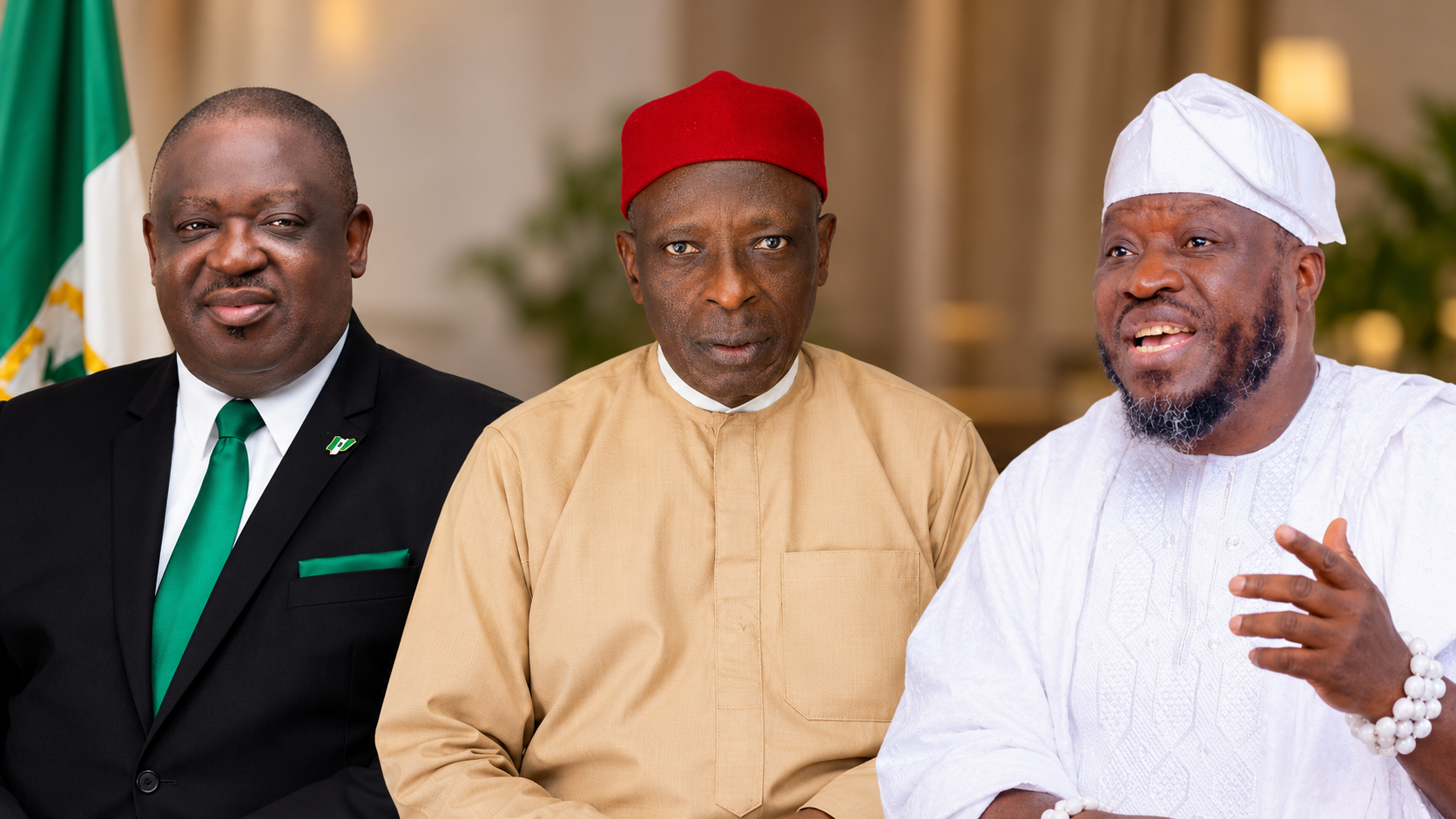
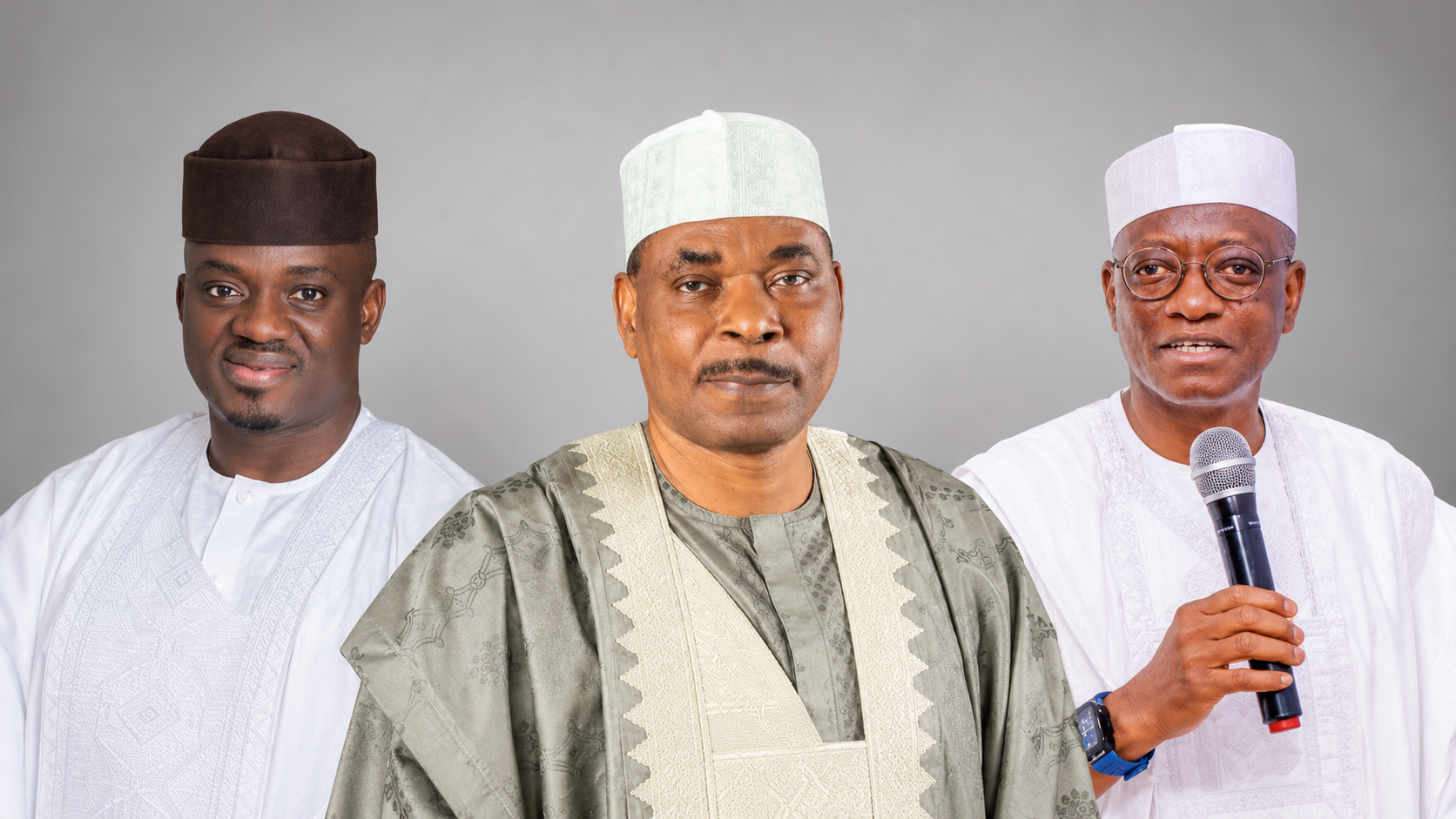
Governor Caleb Mutfwang of the All Progressives Congress (APC) and Kefas Ropshik of the Peoples Democratic Party (PDP) are among the top candidates for Plateau State’s 2027 governorship election. This follows the release of candidates’ details by the Independent National Electoral Commission (INEC).
The published list includes names of candidates and their running mates, along with their ages, genders, and educational backgrounds. The election is set for February 6, 2027.
In January 2026, Governor Mutfwang switched from the PDP to the APC. He left his former party to find a new way back to the governor's office.
The election is heating up amid issues within opposition parties, including a court case regarding the Nigeria Democratic Congress (NDC)’s nomination.
Mutfwang Aims for Re-election with APC
Mr Mutfwang, 61, is the APC candidate, with Josephine Piyo, 70, as his running mate.
He won the 2023 governorship election on the PDP platform before moving to the APC in January 2026. This move changed the political landscape in the state as the next election approaches.
As he campaigns for another term with the APC, his record in office will be a key topic in discussions.
His administration has to answer questions about security, infrastructure, job creation, healthcare, education, and management of public funds.
Insecurity remains a serious issue in Plateau. There have been many attacks on communities, leading to killings and displacements. This disrupts lives and raises concerns about safety and property protection.
Candidates will need to show how they plan to improve early-warning systems, protect vulnerable communities, strengthen security responses, and support residents affected by violence.
Mr Mutfwang will also need to justify his party change to voters who chose him based on the PDP in 2023.
According to INEC, his qualifications include a primary education certificate, General Certificate of Education, and an LLB degree with honours. Ms Piyo has a primary education certificate, General Certificate of Education, and training from the School of Nursing in Jos.
Ropshik Leads PDP’s Challenge
Mr Ropshik, 50, is the PDP candidate, with Daniel Kim, 61, as his running mate.
In May, a faction supported by the Federal Capital Territory Minister, Nyesom Wike, held a primary that produced Mr Ropshik. Another faction led by Tanimu Turaki nominated Sunday Biggs.
These competing nominations show the internal divisions within the party.
Mr Ropshik’s candidacy gives the PDP a chance to challenge the current governor. But the party’s success depends on its ability to run an effective campaign and present a strong alternative to the APC.
The PDP needs to clearly outline its plans for security, economic growth, job creation, agriculture, and public services while also addressing its internal issues.
INEC lists Mr Ropshik’s qualifications as a first school-leaving certificate and senior secondary school certificate. For Mr Kim, the qualifications include a first school-leaving certificate, Grade II teacher’s certificate, and Bachelor of Education.
NDC Nomination Dispute
Jonathan Akuns, 64, is listed as the NDC candidate by INEC, with Jonathan Pwajok, 56, as his running mate.
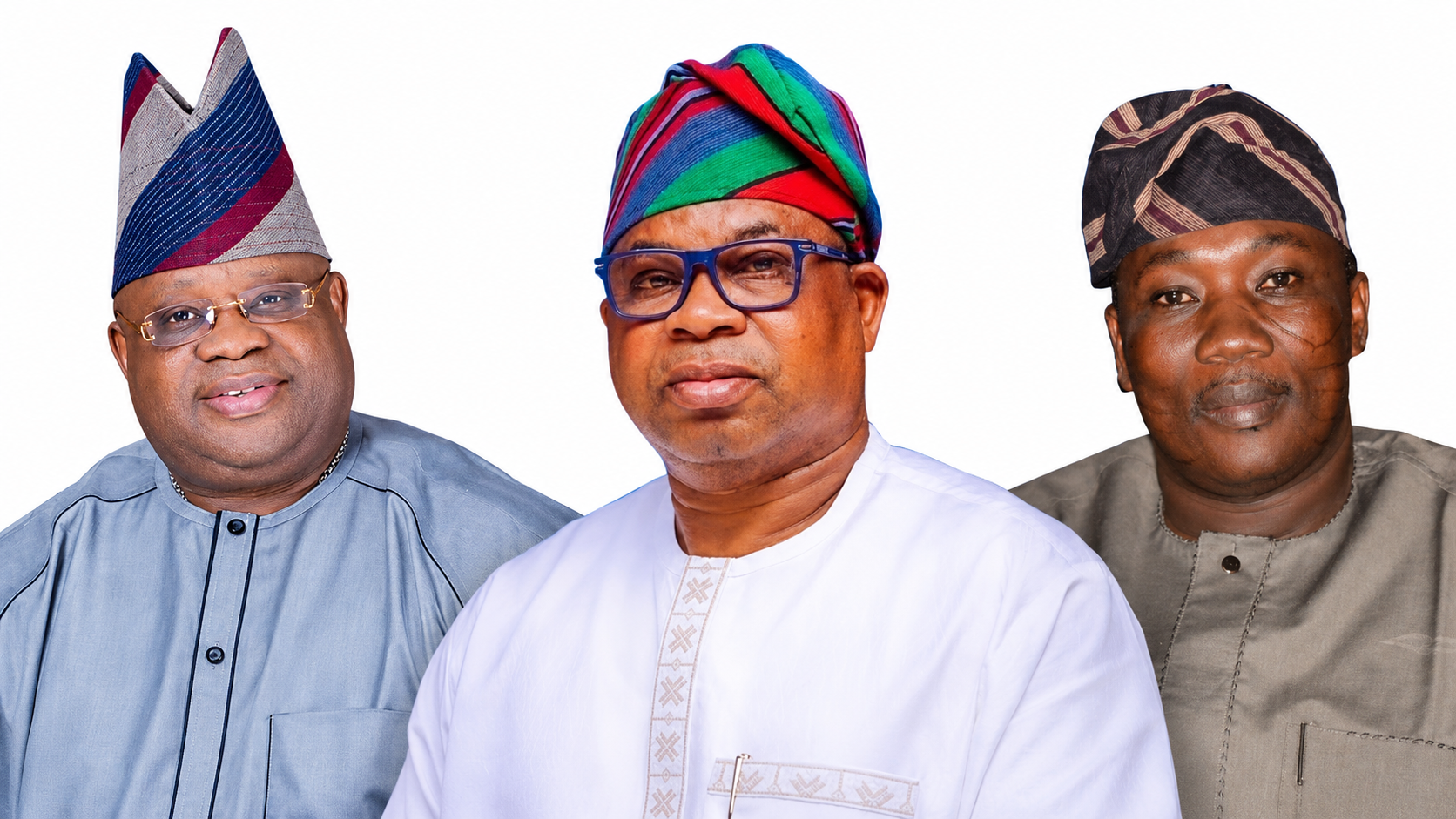
His nomination is being challenged by Alfred Dapal, also known as Alfred Damiyal, due to disagreements between the party’s national leadership and its state chapter.
In September, it was reported that Mr Akuns emerged unopposed at the party’s primary on May 29 and was recognized by the national leadership. However, the state chapter later backed Mr Dapal in a separate nomination.
This dispute has gone to the Federal High Court in Jos.
On September 28, Justice S. T. Ishaya prevented Mr Akuns from presenting himself as the NDC candidate until the case is resolved.
The court also stopped the NDC and INEC from taking actions that could affect the case. This order is not a final decision on the matter.
The dispute raises concerns about whether the party can settle its internal conflicts before the election.
Other Parties
INEC’s document also mentions candidates from various other parties, including the African Democratic Congress (ADC), Labour Party (LP), African Action Congress (AAC), Action Democratic Party (ADP), All Progressives Grand Alliance (APGA), Allied Peoples Movement (APM), Action Peoples Party (APP), Democratic Leadership Alliance (DLA), National Democratic Party (NDP), National Rescue Movement (NRM), Social Democratic Party (SDP), Young Progressives Party (YPP), and Zenith Labour Party (ZLP).
Candidates listed include Sura Sunday of the ADC, Ayuba Adams of the AAC, Dawop Sa’idu of the ADP, Jiga Jarzuka of APGA, Danauta Kyarshik Samuel of the APM, Muhammad Hadi of the APP, Yusuf Umar of the DLA, Nura Tanko of the Labour Party, Yohanna Yilpan of the NDP, Cosmas Jarlath of the NRM, Dafup Simput of the SDP, Jonathan Dogara of the YPP, and Bingel Hurung Philomina of the ZLP.
INEC’s document also includes the ages and educational qualifications of these candidates and their running mates.
Security and Governance Issues Likely to Dominate Campaign
The governorship election will happen against the backdrop of Plateau’s ongoing security issues and public calls for better governance.
Candidates will need to explain how they plan to protect communities, prevent attacks, improve interactions between residents and security agencies, and assist displaced persons and affected businesses.
Economic opportunities will also be a major theme, especially regarding jobs, agriculture, small businesses, education, and healthcare.
Voters will want clear proposals, timelines for implementation, and realistic plans for funding.
The incumbent’s record will be closely examined, while opposition candidates must show how their policies differ from the current government.
The election will also test how well political parties can manage their internal conflicts and meet electoral rules.
The NDC’s court case shows how unresolved nomination issues can complicate election preparations.
INEC must also explain the differences between the number of candidate tickets in its downloadable document and the total in its final list. A clear explanation would help avoid confusion for voters and political parties.
As the election date approaches, Plateau voters will have key questions: how will the candidates deal with insecurity, improve public services, create job opportunities, and ensure public funds are used transparently?
Drop your comment
No comments yet — be the first to drop the gist 👇