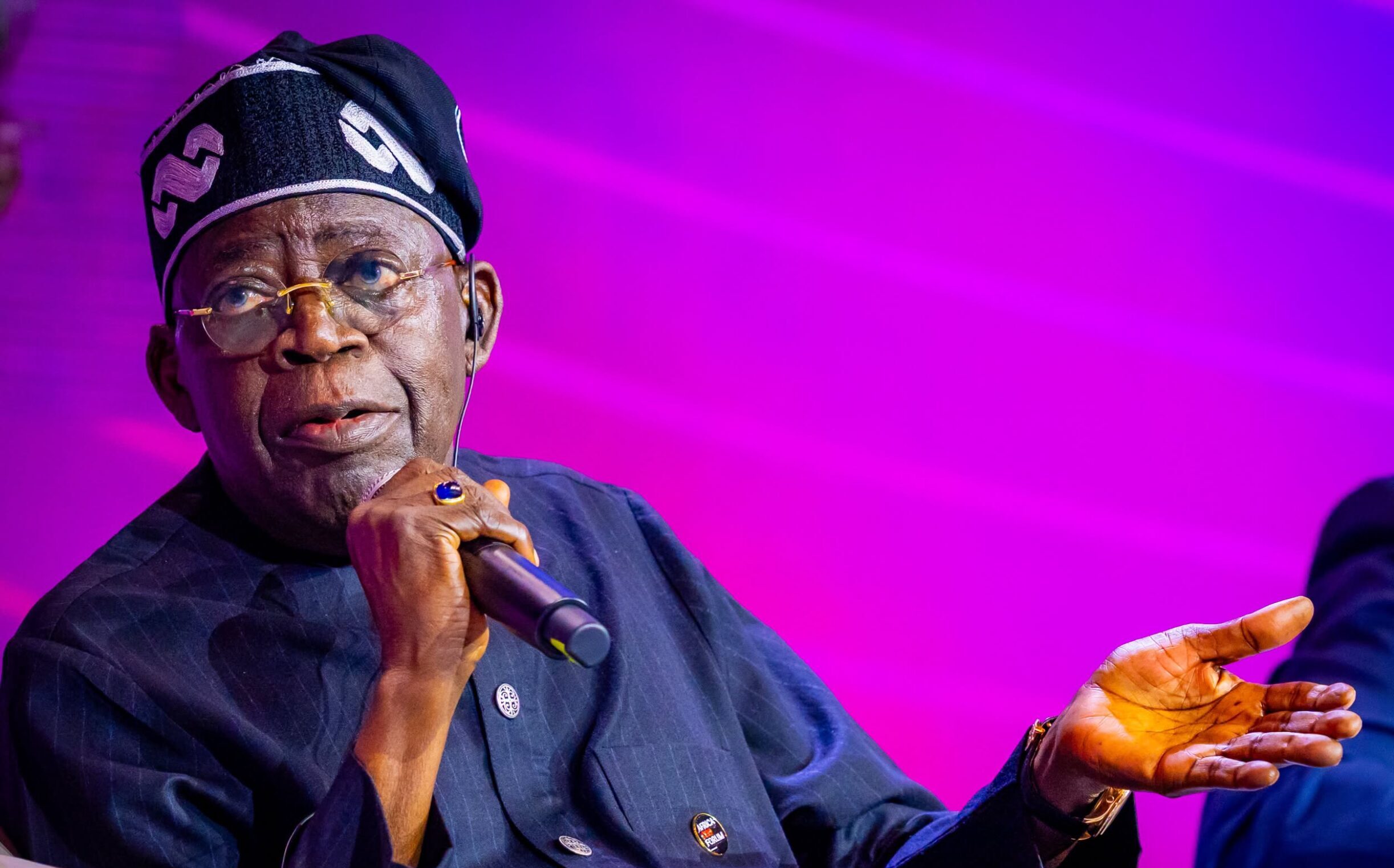
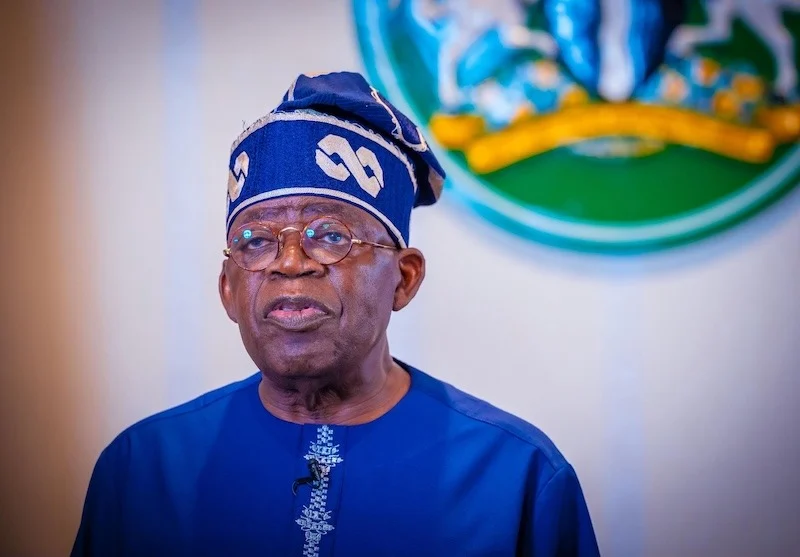
President Bola Tinubu has praised the latest Nigeria Development Update from the World Bank. He believes the findings show that the country’s economic reforms are starting to work.
In a statement from Bayo Onanuga, his special adviser on information and strategy, on Sunday, Tinubu said the report shows his government’s reforms are helping the economy grow.
Since he took office in 2023, Tinubu has launched several reforms to boost economic growth in Nigeria, which is Africa’s most populous country.
These reforms include ending expensive fuel subsidies, unifying exchange rates, updating the tax system, and recapitalising the banking and insurance sectors.
The World Bank released a report last Thursday, stating that Nigeria’s economy grew by 4.2 percent in the first half of 2026. This is up from 3.9 percent during the same time last year, even with the challenges from the Middle East crisis.
The bank expects the country’s growth to average at least 4.4 percent this year through 2028.
The report also noted that inflation dropped from 27.6 percent in January 2025 to 15.2 percent in December 2025. It is projected to ease to about 12 percent by 2028.
Nigeria’s current account surplus increased to $12 billion or 7 percent of GDP in the first half of 2026. This is up from $8.6 billion a year earlier. Gross external reserves also grew from $45.5 billion at the end of 2025 to $53.8 billion by the end of August 2026.
The report stated that the reforms raised federation revenue by 69 percent in real terms between 2023 and 2025, with states benefiting the most.
It also mentioned that Nigeria’s internally generated revenue rose in real terms in 31 out of 35 states. Between 2021 and 2025, 21 states reduced their debt-to-GDP ratio. The bank expects Nigeria’s overall public debt to decrease from 40 percent of GDP in 2025 to 38.1 percent in 2026.
Tinubu said states used the extra funds to boost capital spending by 151 percent in real terms over the same period. A lot of this spending went into roads, transport, agriculture, energy, and housing.
He added that 29 states focused their spending on economic infrastructure. Real social spending per person also increased in all but one state.
“These findings confirm that the tough but necessary choices to remove the petrol subsidy, unify the foreign exchange market, and strengthen fiscal discipline have raised revenues, stabilised the economy, and created room for all levels of government to invest in their people,” Tinubu said.
He promised that his government will work harder to ensure these reforms lead to better living standards for all Nigerians, starting with lower food prices and good jobs for young people.
“We will keep expanding targeted cash transfers, which have already reached over 10 million households. We will speed up the deployment of CNG, boost agricultural productivity, and improve access to affordable healthcare and quality education, so that the benefits we create are shared by everyone,” he said.
He also urged state governments to use their increased revenue wisely and focus on projects that improve health, education, and living standards for Nigerians.
Drop your comment
No comments yet — be the first to drop the gist 👇