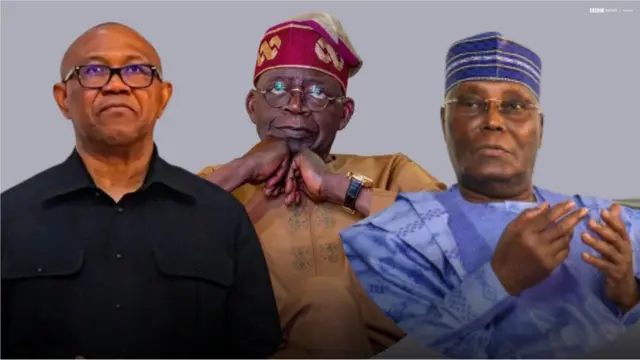
With party primaries finished, campaigns will kick off in August. The picture for the 2027 presidential election is getting clearer.
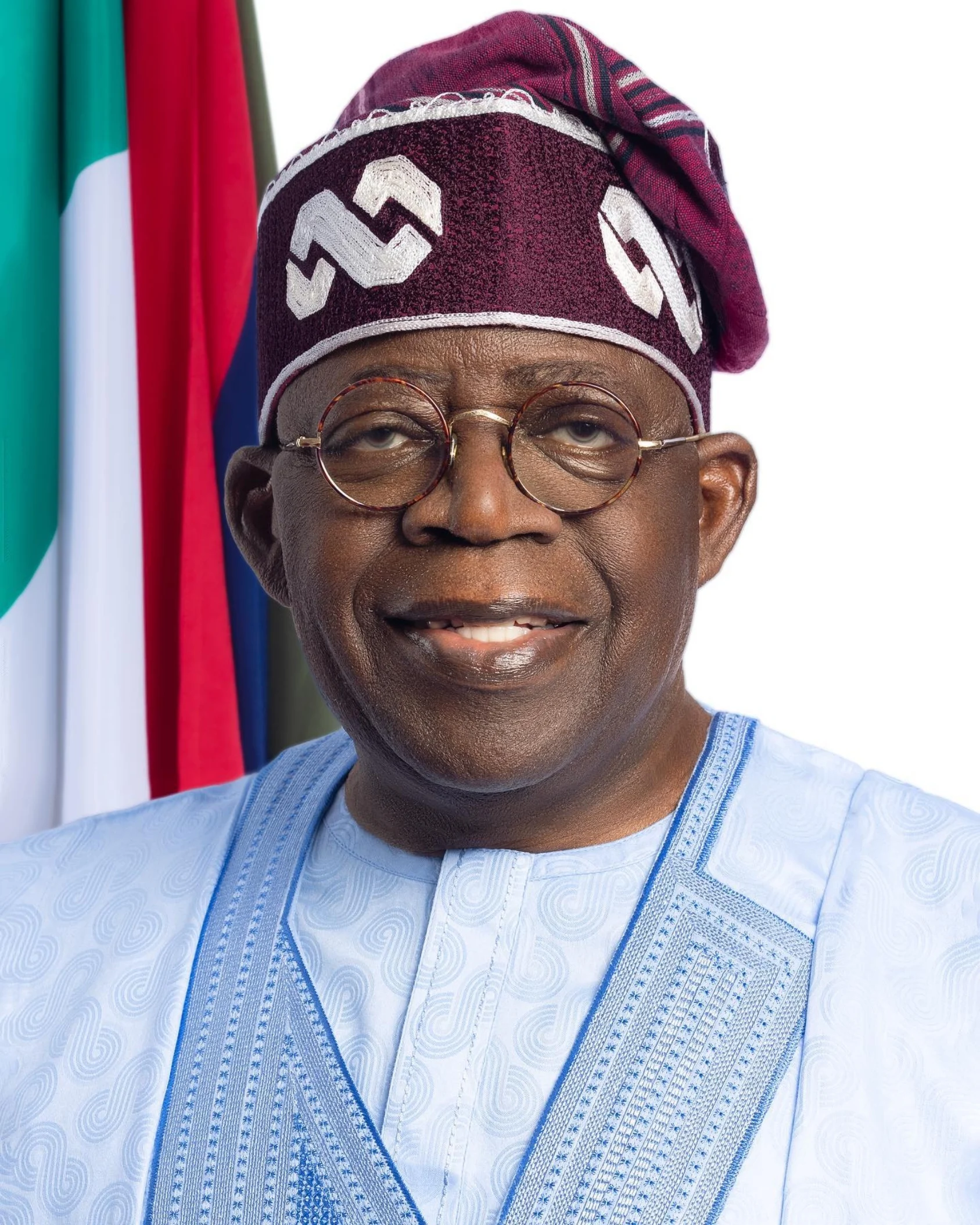
While 11 candidates are expected to run, many believe the race is narrowing to three main contenders. They are President Bola Tinubu from the All Progressives Congress, former Vice President Atiku Abubakar from the African Democratic Congress, and former Anambra State Governor Peter Obi from the Nigeria Democratic Congress.
Other candidates include Oyo State Governor Seyi Makinde of the Allied Peoples Movement, activist Omoyele Sowore from the African Action Congress, former Cross River Governor Donald Duke from the People’s Redemption Party, Aliyu Bin Abbas from the Action Democratic Party, and Adekunle Omoaje from the Action Alliance.
The Peoples Democratic Party is divided. The Kabiru Turaki faction chose former President Goodluck Jonathan as its candidate. The Abdulrahman Mohammed faction picked ex-senator Prof Sandy Onor as its consensus candidate.
Tinubu’s Edge as Incumbent
Tinubu emerged as the candidate for the ruling APC with 10.99 million votes. He made a strong showing in 2023, beating 17 other candidates with 8,794,726 votes.
As the current president, Tinubu has the advantage of incumbency. This is usually a big factor in presidential elections. He has access to government resources that can help with campaigns and visibility.
Tinubu's party has also won over 10 sitting governors from opposition parties. Analysts say this shows a strong consolidation of power before the 2027 election. Such shifts can change local party structures and influence how voters are mobilized.
But some experts warn that just because governors switch parties does not mean their voters will follow.
Atiku’s Sixth Presidential Bid
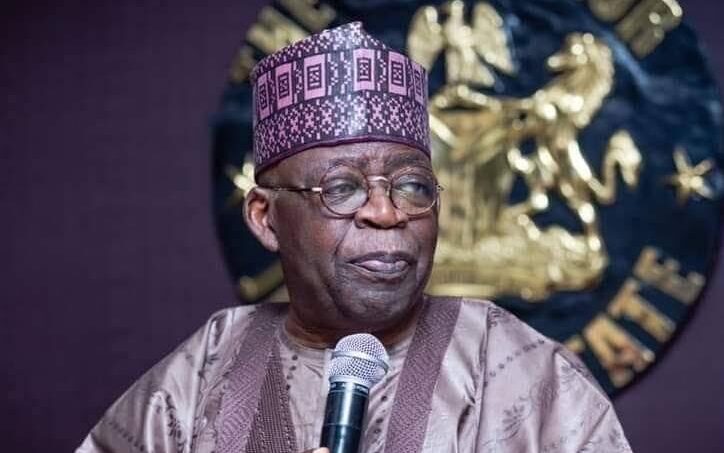
Atiku, who is 79 years old, is making his sixth and possibly last push for the presidency. His return puts him back in the spotlight of opposition politics, showing he is one of Nigeria’s most enduring political figures.
He was vice president under Olusegun Obasanjo from 1999 to 2003. Atiku ran for president in 2007, sought the PDP ticket in 2011, contested the APC primary in 2015, and ran for the PDP in 2019 and 2023. He lost to Tinubu in 2023 with 6,984,520 votes.
His supporters say his experience and connections make him a strong challenger to the incumbent. He still has a solid following in the North-East and North-West.
But critics say his many attempts at the presidency could lead to voter fatigue, especially among young people who want new leadership.
Obi Aims for Second Chance
Peter Obi has been a major player in Nigeria’s electoral scene recently. His 2023 campaign turned him into a national figure. He won 12 states, including the Federal Capital Territory, with 6,101,533 votes on his first run.
Obi hopes to do even better in 2027 with the addition of former Kano Governor Rabiu Kwankwaso as his running mate. Analysts think this partnership could boost Obi’s appeal, especially in the South and some northern areas due to Kwankwaso’s influence.
Candidates and Geopolitical Dynamics
As in past elections, regional factors are key to campaign strategies. Candidates are considering regional loyalties and historical voting patterns.
In 2023, Tinubu won in the North-West, North-Central, and South-West. Obi took the South-South and South-East, while Atiku won the North-East.
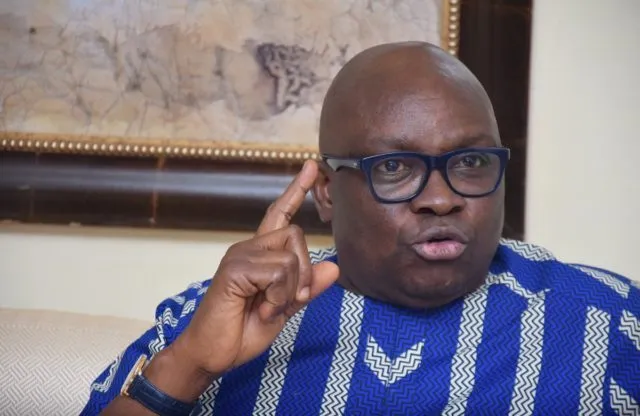
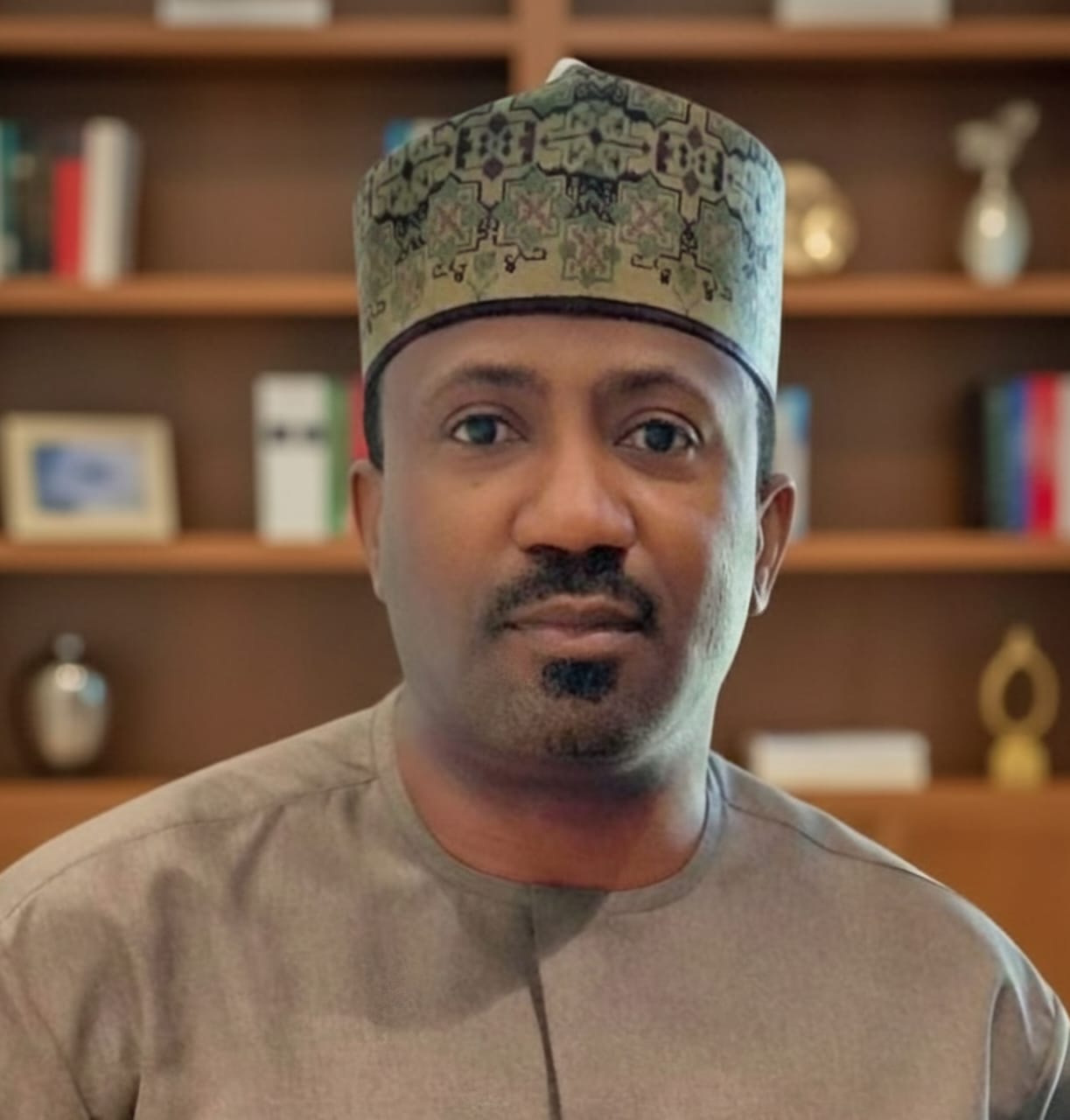
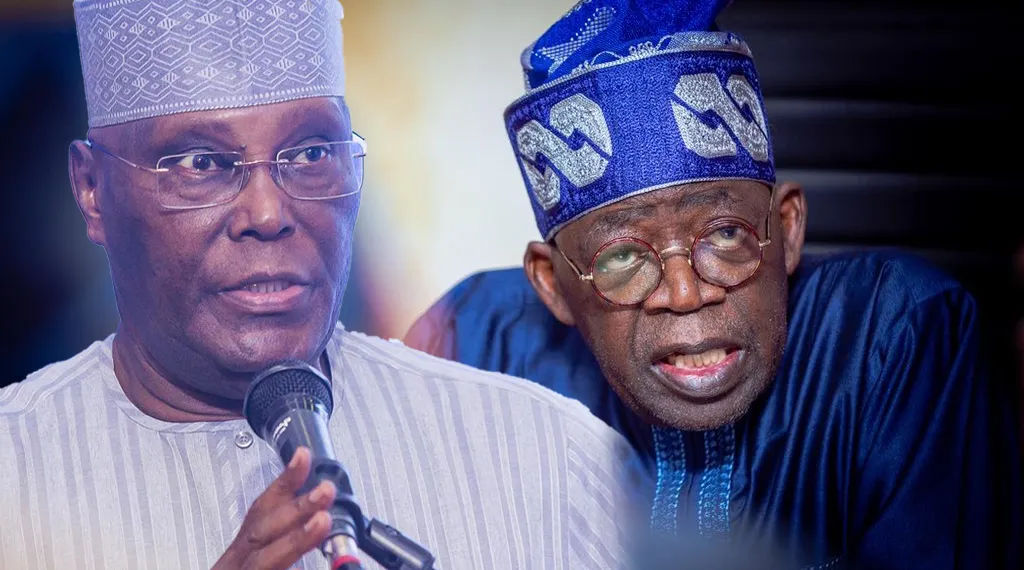
Tinubu secured first or second place in all six geopolitical zones. Atiku and Obi each finished third or lower in three zones. Tinubu has a strong base in the South-West, where his influence remains strong. This region is expected to support the APC.
The ruling party is also working to strengthen its position in the North, where defections and alliances have helped its presence.
Atiku still has significant influence in the North-East and parts of the North-West. But he faces challenges in the South, where the zoning system does not favor him.
Obi holds strong support in the South-East and parts of the South-South, especially in urban areas. His support is particularly strong among young voters. Analysts say winning over more northern voters is key for him.
Key Factors for the Election
As political parties gear up for campaigns in August, many factors will influence the presidential election on January 16, 2027.
A major issue is the economy. Rising poverty, inflation, and unemployment will be top concerns for voters, especially among urban households and young people.
Tinubu’s ability to show that his policies are working will also be crucial for his re-election chances.
Analysts are worried about opposition fragmentation. Many factions and candidates in major parties might split votes, which could help the ruling party.
Tony Obizoba from Ohanaeze Ndigbo said the 2027 election may look like a repeat of 2023 due to this division. He noted that the APC's position is strong because of its resources and alliances.
Obizoba said unless the opposition can unite, the 2027 election might favor the incumbent again. "It is a smooth sail for the current government with the way things are going," he said. "The opposition candidates will divide the votes, and the incumbent will have his way."
Emmanuel Ojo, a professor at the University of Ilorin, said while Tinubu is still a major player, his reputation has suffered due to his administration's handling of insecurity and economic issues. He noted that rising inflation and unemployment have affected public opinion.
Ojo questioned Atiku’s renewed ambition, citing age and past attempts as possible downsides. He also expressed doubts about Obi, calling his political moves opportunistic.
On Jonathan, Ojo said his return would depend on legal clarity and personal choice, but he advised against another presidential run. He believes Nigeria still lacks a candidate who can tackle insecurity and corruption.
Omenazu Jackson, a political analyst, said the next election will largely depend on Tinubu’s performance. He emphasized that the new leadership must focus on dignity, economic stability, and security.
Jackson warned that worsening insecurity and economic issues could damage citizens' loyalty to the state. "If the issue of hunger and insecurity is not addressed, I don’t see Tinubu coming back to power," he said.
Zakari Mohammed, spokesperson for the 7th House of Representatives, said Tinubu may find it hard to match his 2023 success, especially in the North and South-West. He noted that the political scene has changed, with economic struggles and new candidates emerging.
He mentioned that Tinubu got much northern support last time but might not see the same this time. The North could become a battleground for Atiku and Obi, with Atiku likely to benefit from his established networks.
Mohammed added that having many southern candidates could divide votes that would usually go to the incumbent in the South-West. "Will he get that number today? No," he said.
Drop your comment
No comments yet — be the first to drop the gist 👇