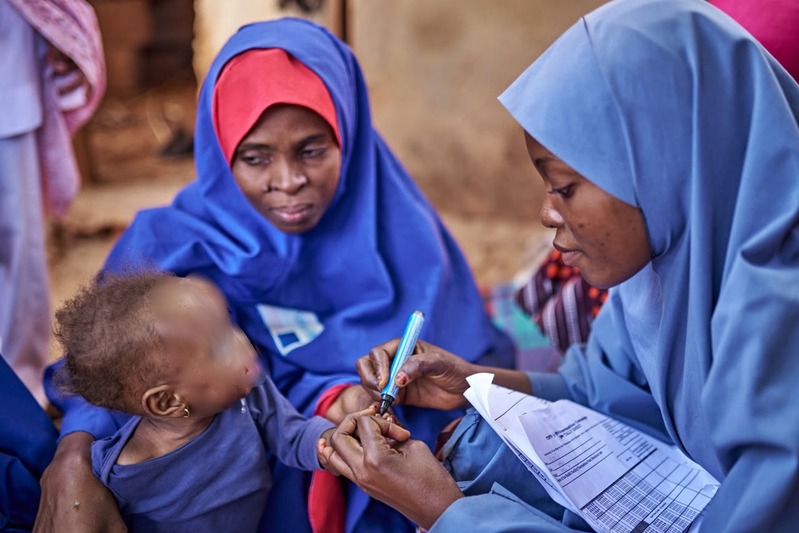
Gavi, the Vaccine Alliance, reports that 9.5 million children in 57 supported countries did not receive routine vaccines in 2025. This is despite improvements in global immunisation rates.
This number is called the count of "zero-dose" children. It comes from Gavi’s 2025 Annual Progress Report, which looks at the alliance’s strategies from 2021 to 2025.
Gavi defines zero-dose children as infants who have not had the first dose of the diphtheria, tetanus, and pertussis vaccine by the end of their first year.
The report shows that the number of zero-dose children in 2025 was 600,000 less than in 2024. It is also 25 percent lower than the highest number recorded in 2021, which was impacted by the COVID-19 pandemic.
But this number is still four percent higher than the 2019 baseline. This is partly due to more children being born each year.
Gavi says children in fragile, conflict-affected, and humanitarian areas are often the ones missing out on vaccines. Nigeria has one of the highest numbers of zero-dose children. UNICEF estimates that around 2.2 million children in Nigeria did not receive routine vaccines in 2025, making it the highest in Africa.
The report highlights Nigeria, Ethiopia, and Pakistan as countries where recent data shows better immunisation gains in areas that received more Gavi focus and funding during the 2021-2025 period.
Gavi noted that these findings show how important it is to invest in reaching communities that miss out on routine immunisation.
Nigeria is also part of Gavi’s Zero-Dose Learning Hubs. These hubs look at what works and what does not in finding and reaching zero-dose and under-immunised children.
Reports from Nigeria, Bangladesh, Mali, and Uganda pointed out several issues, including barriers to immunisation related to gender.
Despite the high number of zero-dose children, Gavi reported that over 73 million kids were vaccinated through routine programmes it supported in 2025.
More than 351 million children received vaccines during the 2021-2025 strategic period. This exceeded Gavi’s target of 300 million children.
By the end of 2025, Gavi-supported countries had vaccinated over 1.3 billion unique children since 2000. This is more than the 1.1 billion children Gavi promised to immunise by 2025.
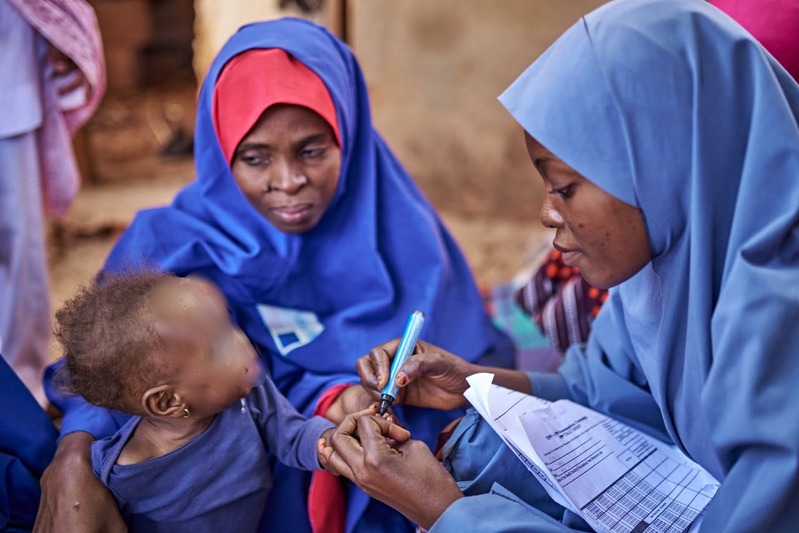
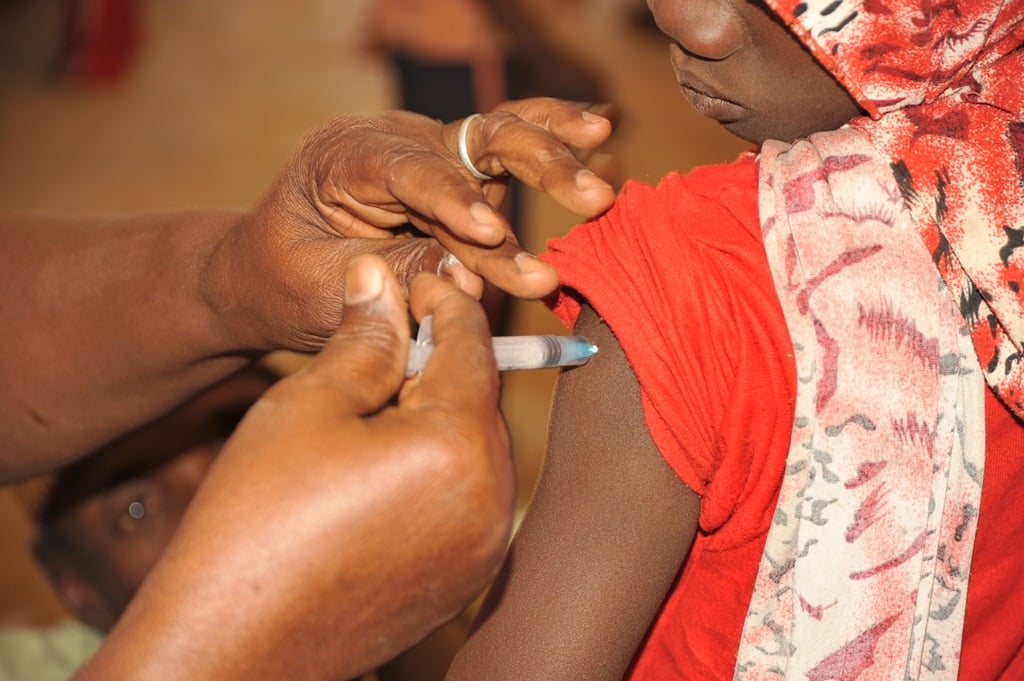
Gavi states that vaccination prevented over 2.2 million future deaths in 2025. This brings the total number of future deaths prevented through its vaccination programmes to over 7.8 million from 2021 to 2025.
The report mentions that immunisation programmes provided over $30 billion in economic benefits for countries supported by Gavi in 2025. This is the highest amount recorded in a single year.
These benefits were calculated from the costs of illnesses avoided, including medical expenses and lost wages due to disability or death.
Gavi said its programmes generated over $104 billion in economic benefits from 2021 to 2025 and more than $308 billion from 2000 to 2025.
Countries also contributed a record $301 million for co-financing Gavi-supported vaccines in 2025. This is an 18 percent increase from 2024.
About 80 percent of this contribution came from local resources. The remaining 20 percent came from low-interest loans from the World Bank.
Since the policy began in 2008, countries have contributed a total of $2.2 billion for vaccine co-financing.
For the 2026 to 2030 strategic period, Gavi plans to protect another 500 million children through vaccination. It aims to prevent between eight million and nine million future deaths.
Gavi also targets more than $100 billion in economic benefits during this period. They plan to focus more on reaching zero-dose and under-immunised children while improving the sustainability of national immunisation programmes.
Gavi's Chief Executive Officer, Sania Nishtar, said the results show that vaccination has benefits beyond stopping disease. She said, "However, when it comes to immunisation we know that the return on investment extends far beyond health to supporting sustainable, inclusive economic growth."
WHO Director-General, Tedros Ghebreyesus, said immunisation saves lives and prevents diseases but also brings economic benefits. He stated, "Countries understand that the cost of failing to vaccinate is far too great, while the benefits extend across families, communities, economies and future generations."
Drop your comment
No comments yet — be the first to drop the gist 👇