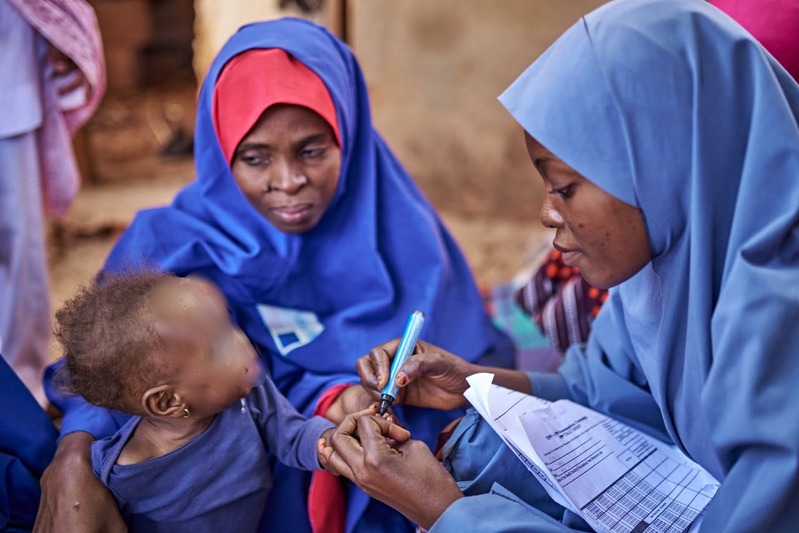
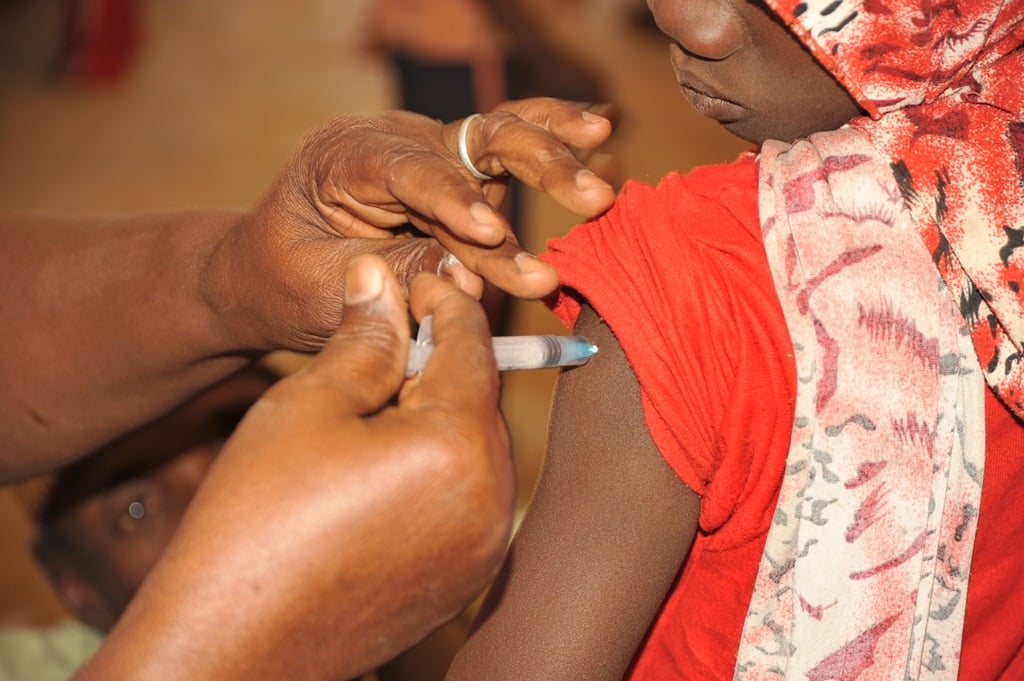
A new report by eHealth Africa shows that over 23 million children got vaccinated against polio and other diseases in more than 205,000 communities in Nigeria from January to June 2026.
The report, titled “Expanding Reach, Readiness and Resilience: Data-Driven Health Systems Across Africa,” says this vaccination effort is part of a wider set of actions taken in the first half of 2026.
Digital tools help vaccination efforts
eHealth Africa, with its immunisation partners, expanded the use of its PlanFeld digital tool in 253 Local Government Areas (LGAs) across 10 northern states. The report says 33,837 vaccination teams received digital microplans and maps of their areas.
The tool was also used in four LGAs in Lagos State during the Measles-Rubella vaccination campaign. About 1,980 digital maps were created and shared with vaccination teams.
The report also pointed out efforts to improve the vaccine supply chain in Sokoto State. The Vaccine Direct Delivery (VDD) program increased the number of health facilities served from 351 to 407 during this time.
Around 3.41 million vaccine antigens were sent to these facilities to support vaccination in areas that are often neglected, according to the report.
Solar energy for health centres
The report also covered eHealth Africa’s work in renewable energy for primary healthcare. Through the Renewable Energy for Primary Health Care (RE4PHC) program, with support from UNICEF, they installed solar panels in 238 primary healthcare centres (PHCs) across 12 states.
Out of these 238 facilities, 226 were monitored from a distance and produced 277,800 kilowatt-hours of solar power from January to June. eHealth Africa estimates that this saved about N166 million in fuel costs and reduced carbon dioxide emissions by 240 metric tons during this period.
Since the start of the program, the total fuel savings have gone over N414 million, according to the report.
Improving labs and emergency response
The report also highlights efforts to improve lab services and disease tracking across Africa. eHealth Africa supported 17 labs in 13 countries and extended its Inventory Management System to 18 labs.
They completed upgrades at five labs in Ghana, Zambia, Nigeria, and Cameroon during this time. The upgrades will help build better facilities for diagnosis, monitoring, and responding to outbreaks.

Public health initiatives
On public health emergency readiness, eHealth Africa mentioned that its 11 Emergency Operations Centres (EOCs) in Nigeria kept serving as coordination hubs for government agencies, surveillance teams, vaccination officials, and development partners.
In the first half of 2026, these centres hosted 546 emergency meetings and supported 102 meetings related to vaccination campaigns. They also created 74 public health scorecards to help with planning and monitoring performance.
Monitoring medicine availability
The report also talked about expanding community-level monitoring of antibiotic availability and suspected fake medicines through the Com-WATCH initiative. This program reached Kano, Gombe, Ekiti, Ebonyi, Akwa Ibom, and the Federal Capital Territory, with 2,512 people helping with the surveillance.
An additional 2,763 medicine vendors and others received training, while over 20,500 community members got awareness messages. By June, 977 medicine outlets were giving stock information through the platform, eHealth Africa reported.
Humanitarian efforts
In humanitarian work, eHealth Africa managed the World Food Programme Common Storage facility in Ngala, Borno State. This facility supported 16 humanitarian partners during the period.
The warehouse handled 691 metric tons and 2,527 cubic metres of goods, and six monthly checks on stock were done. They reported no stock losses during this time.
‘Impact is more than just numbers’
Atef Fawaz, eHealth Africa’s Executive Director, spoke about the findings. He said the results show what can happen when governments, communities, technology, infrastructure, and local skills come together to improve healthcare.
He added that the focus is not just on providing solutions but on creating systems that institutions can take ownership of, maintain, and improve. “The impact of these results is more than just the numbers,” Mr Fawaz said.




Drop your comment
No comments yet — be the first to drop the gist 👇