Every year on 19 June, the world marks World Sickle Cell Day to raise awareness about a condition affecting millions. Despite many public campaigns promoting genotype testing and informed marriage choices, Nigeria still has one of the highest rates of sickle cell disease (SCD) globally.
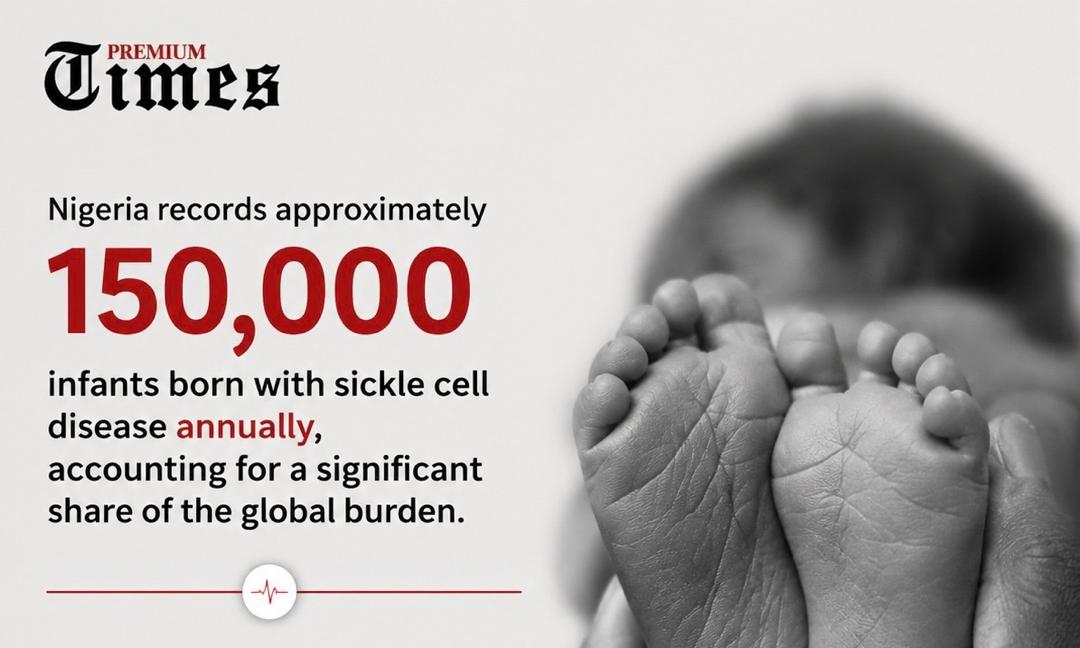
The Federal Ministry of Health and Social Welfare says Nigeria sees around 150,000 infants born with sickle cell disease every year. This number represents a large part of the global burden.
Although genotype awareness campaigns are common in schools, churches, mosques, and hospitals, health experts say this awareness has not led to better care, early diagnosis, or improved living conditions for those already affected.
In an interview with PT Health Watch for World Sickle Cell Day, medical and maternal health experts pointed out serious gaps in Nigeria’s response to the disease. They mentioned weak newborn screening, limited treatment access, poorly funded primary healthcare, and ongoing misunderstandings about the condition.
Focus Beyond Genotype Awareness
For many Nigerians, talks about sickle cell disease often center on genotype compatibility and stopping new births affected by the condition.
But Happiness Akinde, a medical doctor, said public health discussions must also focus on the millions already living with the disease.
"Genotype awareness has been extremely important because it helps prevent new cases of sickle cell disease through informed reproductive decisions. However, there is a growing recognition that awareness efforts should also focus on people already living with the condition," she said.
Ms Akinde explained that while education is crucial, knowing about the disease does not stop sickle cell crises.
Patients who follow medical advice can still suffer painful episodes triggered by infections, dehydration, stress, lack of sleep, and other factors.
She added that reducing the frequency of crises needs a mix of patient education, preventive treatment, reliable healthcare, and strong social support systems.
Conversations about hydration, infection prevention, medication adherence, nutrition, mental health, routine screenings, and recognizing complications deserve as much focus as genotype counseling.
The Hidden Costs of Living with Sickle Cell Disease
Besides medical issues, Ms Akinde noted that socioeconomic factors worsen outcomes for many patients.
Many families struggle to pay for medications, transport to hospitals, and routine lab tests needed to monitor the disease.
Some live far from healthcare facilities or do not have health insurance, which makes regular care difficult.
"Effective management requires more than personal responsibility. It requires a healthcare system that supports patients consistently," she said.
Essential medicines like folic acid, antibiotics, pain-relievers, and hydroxyurea, a therapy recommended for sickle cell disease, are often hard to find due to cost and availability issues.
As a result, many seek care only when complications become severe instead of getting preventive treatment that can improve their long-term health.
Gaps in the Healthcare System
Ms Akinde explained that problems in the healthcare system continue to affect people with sickle cell disease.
She said primary healthcare workers, who are often the first point of contact for patients, may not have enough training in sickle cell management. This can lead to delayed diagnoses, poor follow-up care, and inadequate pain management.
Some patients face delays in getting emergency treatment because healthcare providers may underestimate the severity of sickle cell pain or do not know the right care protocols.
She also pointed out misunderstandings about the disease, such as beliefs that crises are only due to poor self-care or that people with the condition cannot have successful lives.
Additionally, some patients face stigma when seeking treatment due to doubts about their pain, while reliance on traditional remedies and delaying hospital visits can worsen complications.
Poverty and Prevention Gaps

Halimat Jimoh, a nurse and midwife, stressed that poverty, limited healthcare access, and weaknesses in primary healthcare contribute greatly to recurring sickle cell crises.
"I have seen families who understand their child’s condition but simply cannot afford transportation to health facilities, medications, lab tests, or regular follow-ups," she said.
Ms Jimoh believes Nigeria fails when it only educates people about genotype compatibility during marriage discussions.
She argues that genotype education should start much earlier in schools, adolescent health programs, and routine reproductive healthcare.
She also pointed out major gaps during pregnancy and after delivery.
Many pregnant women undergo genotype testing but get little counseling about future pregnancies and their children.
Worse still, many health facilities do not provide routine newborn screening.
"Too many babies leave health facilities without any form of newborn screening, meaning families only discover the child has sickle cell disease after repeated illnesses and hospital admissions," she said.
Even though babies with sickle cell disease may seem healthy at birth, Ms Jimoh explained that organ damage can start long before noticeable symptoms show up.
As fetal hemoglobin decreases in infancy, sickling can affect organs like the spleen before painful crises happen.
"Waiting until a child starts having repeated crises means we have already missed an important window to prevent complications and improve long-term outcomes," she said.
Newborn Screening
Globally, newborn screening is seen as one of the best ways to reduce childhood deaths related to sickle cell disease.
Early diagnosis allows healthcare workers to monitor affected children closely, educate caregivers, prevent infections, and spot complications before they become serious.
Yet routine newborn screening is still not common across much of Nigeria.
According to Ms Jimoh, lack of funding, poor infrastructure, shortages of trained staff, and weak referral systems have kept this intervention from becoming standard practice nationwide.
What Nigeria Must Do
Both experts say that cutting down the sickle cell disease burden needs coordinated action across the healthcare system.
Ms Jimoh listed three key actions: strengthening genotype education and counseling before conception, starting nationwide newborn screening programs, and improving primary healthcare to offer ongoing follow-up care and caregiver education.
Ms Akinde called for a wider approach that includes expanding newborn screening, making affordable medications like hydroxyurea available, improving primary healthcare systems, training healthcare workers, and ensuring everyone can access emergency care.
Both experts agree that sickle cell disease should no longer be treated as a forgotten issue.
They argue it should be seen as a major public health concern that needs continuous investment, better policies, and improved healthcare access.
With better diagnosis, affordable treatment, and consistent support, they believe people living with sickle cell disease can lead longer, healthier, and more productive lives.
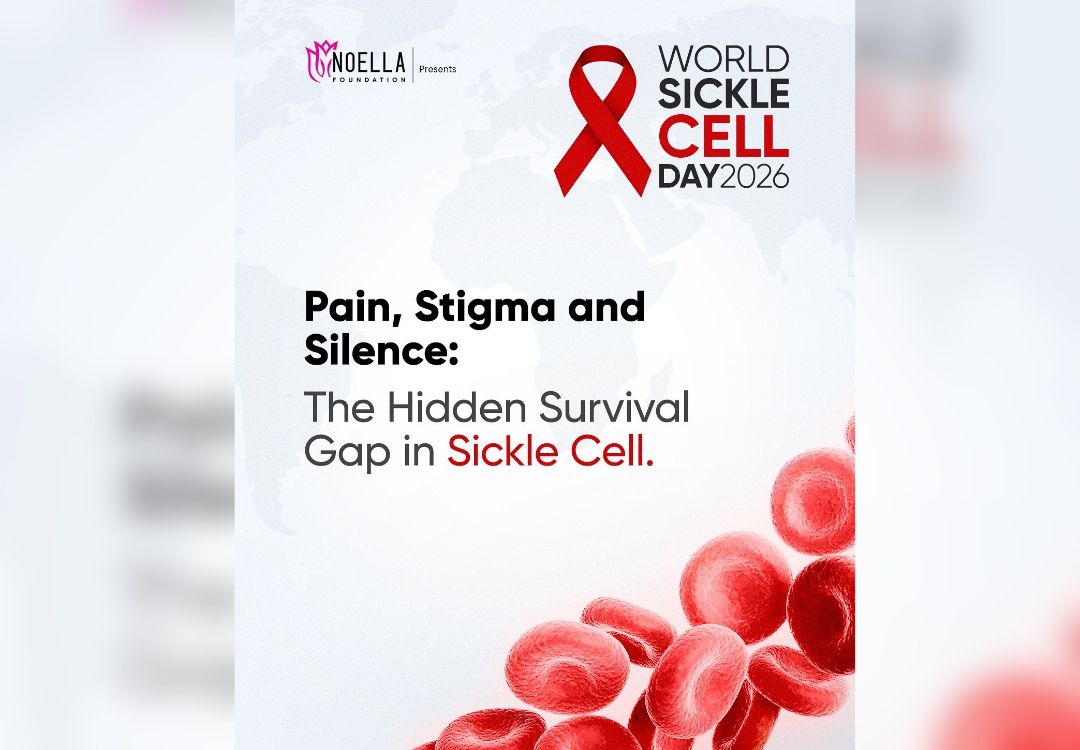
The theme for this year’s World Sickle Cell Day, “Closing the Survival Gap: Equity in Sickle Cell Disease,” highlights the need for local and global action to boost support, care, and awareness for patients, while urging better advocacy for improved health results.



Drop your comment
No comments yet — be the first to drop the gist 👇