Stakeholders are asking for better public education, mandatory genotype awareness, and more support for those living with sickle cell disease. They warn that Nigeria will keep seeing thousands of preventable cases unless people make informed choices before marriage.
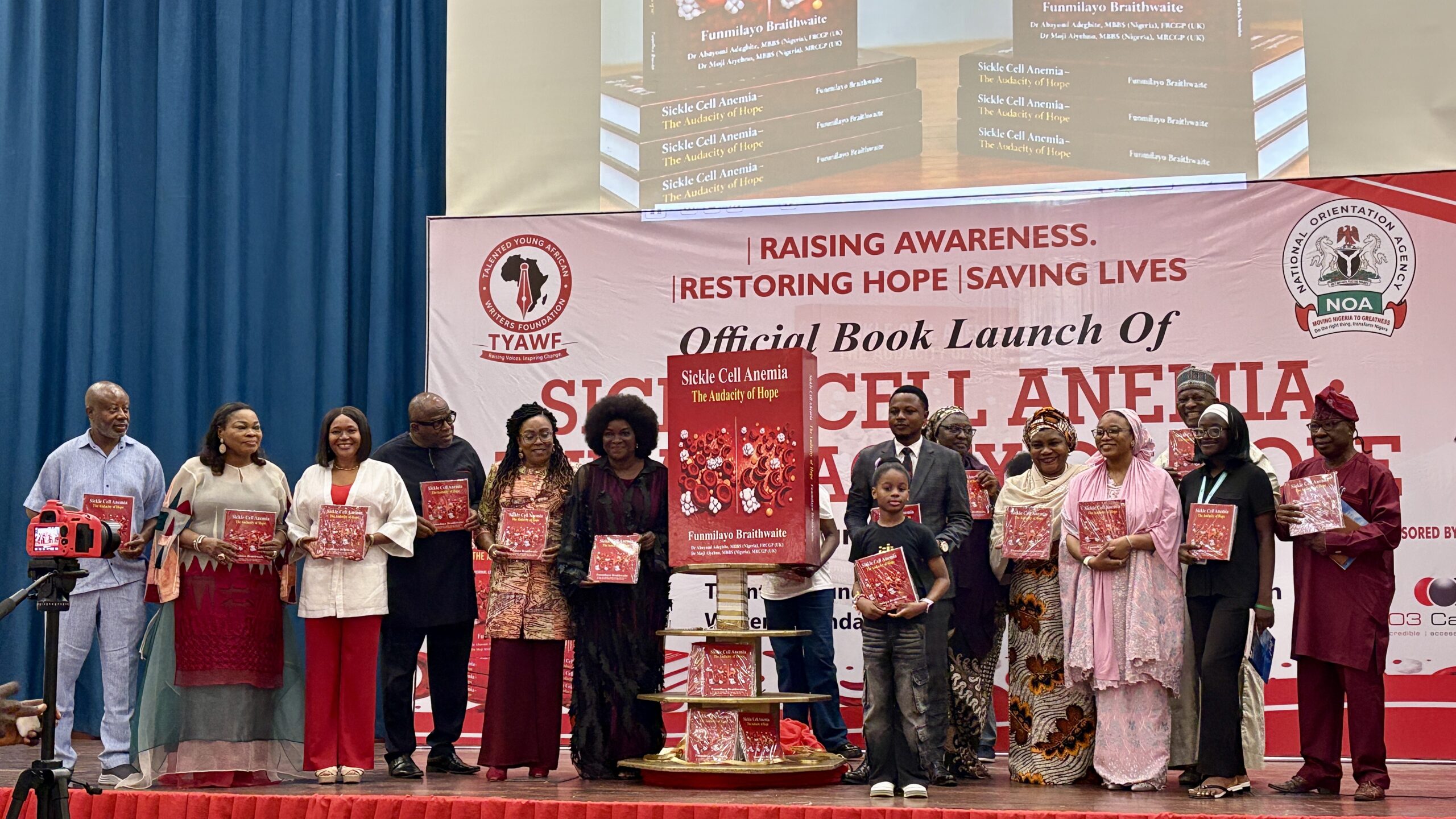
This call was made on Wednesday in Abuja during the launch of ‘Sickle Cell Anaemia: The Audacity of Hope.’ This new book is by Funmilayo Braithwaite, with medical input from Abayomi Adegbite and Moji Aiyemo.
This is Mrs Braithwaite’s 11th book. It mixes storytelling, medical facts, and advocacy to increase awareness about sickle cell disease, fight stigma, and promote informed reproductive choices.
The launch gathered health professionals, librarians, writers, faith leaders, and advocates. They pointed out that a poor understanding of genotype compatibility is still driving Nigeria’s high rates of sickle cell disease, even with better treatment options.
Sickle cell disease is a genetic blood disorder. It happens when a child inherits an abnormal haemoglobin gene from both parents. This condition makes red blood cells stiff and sickle-shaped. This can result in severe pain, anaemia, infections, stroke, and damage to organs.
The World Health Organisation (WHO) says Nigeria has the highest sickle cell disease burden in the world. About 150,000 babies are born with the condition every year in Nigeria.
Earlier this month, PT Health Watch reported that misunderstandings about genotype compatibility, lack of public education, and ongoing stigma are still slowing down efforts to reduce new cases. Experts also called for better newborn screening, easier access to treatment, and continued awareness campaigns.
During the keynote speech, the National Librarian and CEO of the National Library of Nigeria, Chinwe Anunobi, referred to Nigeria’s sickle cell issue as “not only a medical problem but also a knowledge problem.”
Mrs Anunobi said raising awareness is not enough. People need to grasp genotype compatibility and use that knowledge in their life choices.
“Information becomes knowledge only when it is understood, evaluated, accepted, and translated into action,” she stated.
She noted that many know about sickle cell disease but do not have enough health literacy to understand genotype compatibility and what it means before marriage.
“Somewhere before a child was conceived, knowledge was either absent, misunderstood, unavailable, or ignored,” she added.
She emphasized that health literacy is more than just knowing about sickle cell disease. It involves understanding one’s genotype and making informed reproductive choices.
Mrs Anunobi mentioned that sickle cell disease impacts education, jobs, household income, and national productivity. Many children miss school because of painful crises, while parents struggle emotionally and financially from frequent hospital visits.
She said adults with the condition often face discrimination in schools and workplaces because of false beliefs about their ability to work.
She urged Nigerians to replace bias with understanding. She also called for health literacy to be part of school curricula and for libraries to take a bigger role in community health education.
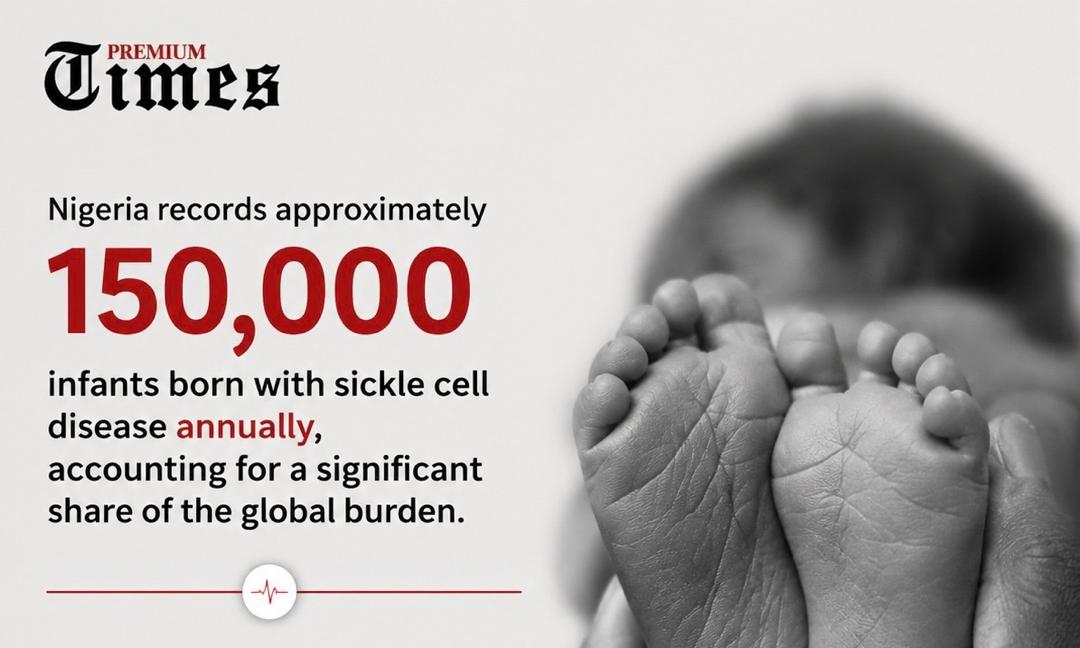

She highlighted ongoing misconceptions, mentioning a PREMIUM TIMES vox pop where one person said love mattered more than genotype compatibility.
According to her, the responses showed that having access to information doesn’t always lead to informed actions. Cultural beliefs, emotions, and social expectations often take priority over scientific facts.
She called on governments, health providers, schools, faith-based groups, traditional leaders, civil society, and the media to work together. They need to promote evidence-based health information and fight misinformation.
In reviewing the book, Nigerian poet Kabura Zakama said the publication helps readers see sickle cell disease not just as a medical issue.
He explained that the book shares the human stories behind the disease through the experiences of a young woman living with sickle cell disease.
He noted that the book is divided into three sections. The first covers the experiences of patients and families. The second gives simple medical explanations of diagnosis and treatment. The third looks at public policy, advocacy, and the responsibilities of institutions.
Mr Zakama said the book also talks about discrimination, workplace inclusion, health insurance, emergency care, and legal protections for those living with sickle cell disease.
He said one of the book's best features is that it presents complex medical information in a way that ordinary readers can easily understand.
He encouraged couples to check their genotype before marriage and urged governments, employers, schools, and health institutions to support people living with sickle cell disease.
The Lead Pastor of Light Nation Church, Apostle Femi Lazarus, said the launch meant more than just unveiling a book.
Represented by the church’s Regional Pastor, Lekan Popoola, he called the publication a launch of awareness, understanding, courage, and hope.
He said it reminds society that a medical condition should not decide a person’s future or limit their potential.
After the launch, Mrs Braithwaite shared that this publication was a dream come true. She hopes it reaches homes, schools, hospitals, and communities across Nigeria.
She said raising awareness and promoting informed choices remain key messages of the book.



Drop your comment
No comments yet — be the first to drop the gist 👇