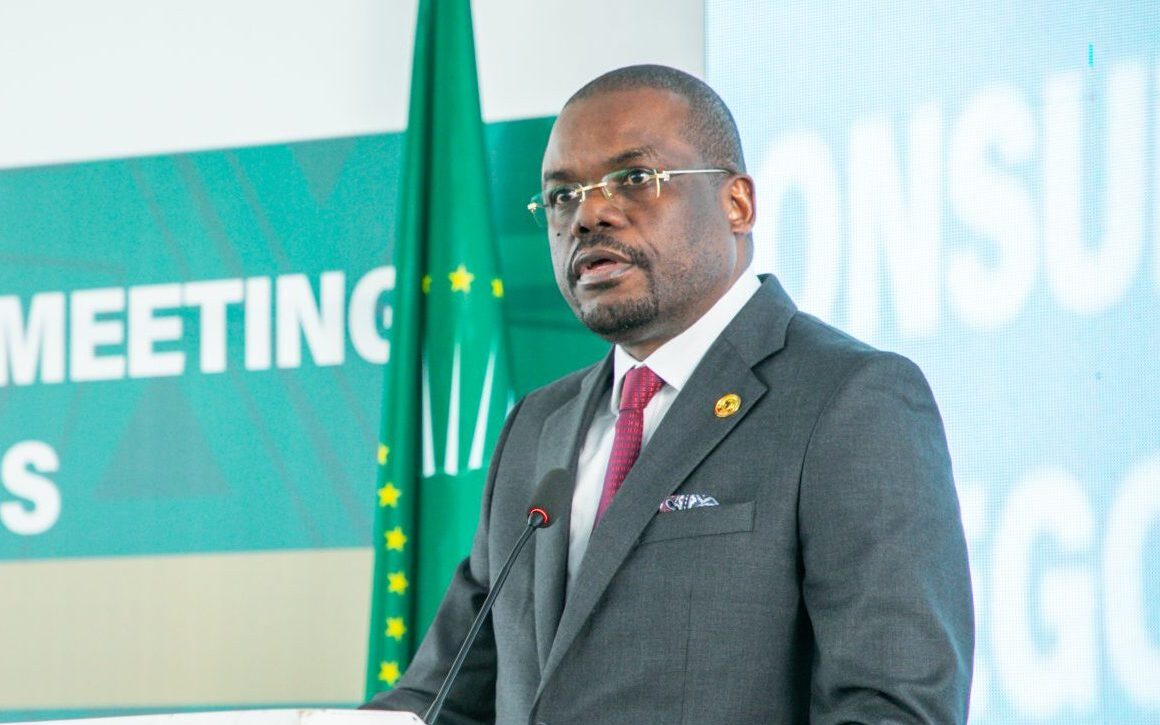
The Africa Centres for Disease Control and Prevention (Africa CDC) has urged African governments to take charge of disease outbreak responses. They should invest in their health systems and make sure development partners are held accountable as the continent faces the Ebola virus outbreak.
The agency’s Director-General, Jean Kaseya, said governments must ensure that non-governmental organisations (NGOs) and other partners receiving donor funds report back to national authorities and align their work with government-led response plans.
Speaking on Channels Television’s The Morning Brief on Thursday, Mr Kaseya emphasized that stronger African leadership and coordination are key to controlling outbreaks and preventing future health emergencies. “We need to invest in our own system,” Mr Kaseya said.
Regional Outbreak
Mr Kaseya stated that the Africa CDC declared the outbreak a regional and continental issue on 15 May due to the risk of the virus spreading across borders. He explained that while an outbreak in one country is mainly under that country’s authority, an outbreak affecting multiple countries needs a coordinated regional response.
“When we have an outbreak in one country, it is the sovereignty of the country. But when we have it in more than one country, it becomes the mandate of the Africa CDC,” he said. He noted that insecurity, humanitarian issues, and population movements in the outbreak's origin area influenced the agency’s assessment.
According to him, the affected area is a mining hub where many people moving around increases the chance of the virus spreading across borders. Mr Kaseya mentioned that Nigeria was not initially seen as at risk because the outbreak was focused on eastern and central parts of Africa.
Nigeria's Preparedness
Nigeria confirmed its first case of Ebola on 20 October, raising concerns about the country’s readiness and the need for effective surveillance, contact tracing, and infection prevention. The Nigeria Centre for Disease Control and Prevention (NCDC) has been coordinating surveillance and public health measures to reduce the risk of more infections.
The NCDC had warned about the risk of the virus coming into Nigeria after cases were reported in East Africa. The potential for cross-border spread highlights the need for regional cooperation and surveillance, especially as people travel for work, trade, and other reasons.
Accountability of Partners

Mr Kaseya demanded greater accountability from international organisations and NGOs involved in outbreak responses, especially those getting funds from outside. “We don’t want to see NGOs and partners getting money from donors and not being responsible vis-à-vis the government. That one would never happen again in Africa,” he said.
He added that governments must ensure all organisations involved in an emergency response work under a single plan set by national authorities. Mr Kaseya argued that better coordination would help ensure resources go to urgent needs and that governments keep oversight of response activities.
He noted funding commitments made after a meeting with African heads of state, supported by development partners, as a step towards strengthening African ownership. He also mentioned a task force set up by Nigeria’s president on Wednesday, which decided to provide funding for the outbreak response.
But he warned against blaming international partners rather than tackling the weaknesses exposed by the outbreak. “Otherwise, if we want just to blame our partners, we will not resolve any issue,” he said.
Regional Death Toll
According to the European Centre for Disease Prevention and Control (ECDC), the Democratic Republic of the Congo (DRC) recorded 9,552 confirmed cases and 4,602 related deaths as of 19 October, based on data available up to 18 October.
Kenya reported nine confirmed cases, including one death, as of 20 October, following an imported case from the DRC through Uganda. Uganda recorded 20 cases between May and June. The WHO declared the outbreak there over on 25 August after 42 days without a new confirmed case.
Bundibugyo virus disease is a type of Ebola virus disease that can cause severe illness and death. It spreads through direct contact with the blood or other bodily fluids of an infected person or contaminated materials.
Currently, there is no licensed vaccine specifically approved for Bundibugyo virus disease, so early detection, isolation, contact tracing, and infection prevention are key to controlling outbreaks. Mr Kaseya said African countries must use the current outbreak to strengthen their health systems and make accountability clearer among governments and their partners.
Drop your comment
No comments yet — be the first to drop the gist 👇