Africa should not be used for geoengineering tests, a climate activist warned. He called for fishing communities to be included in decisions about ocean-based climate projects.
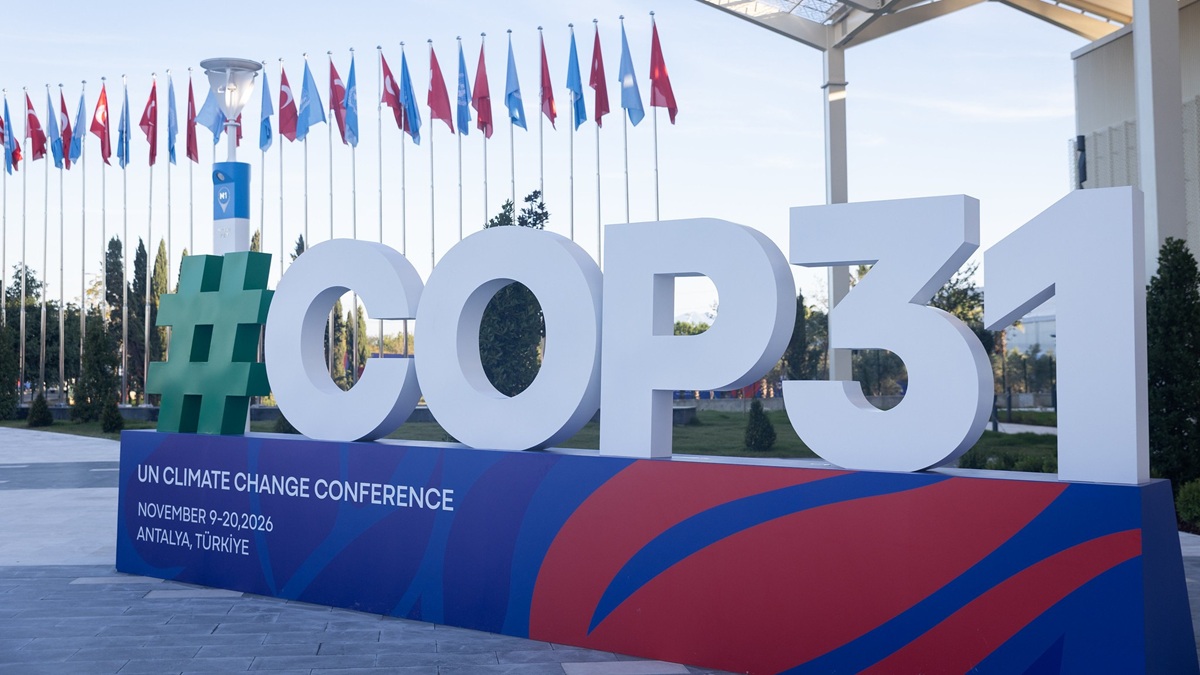
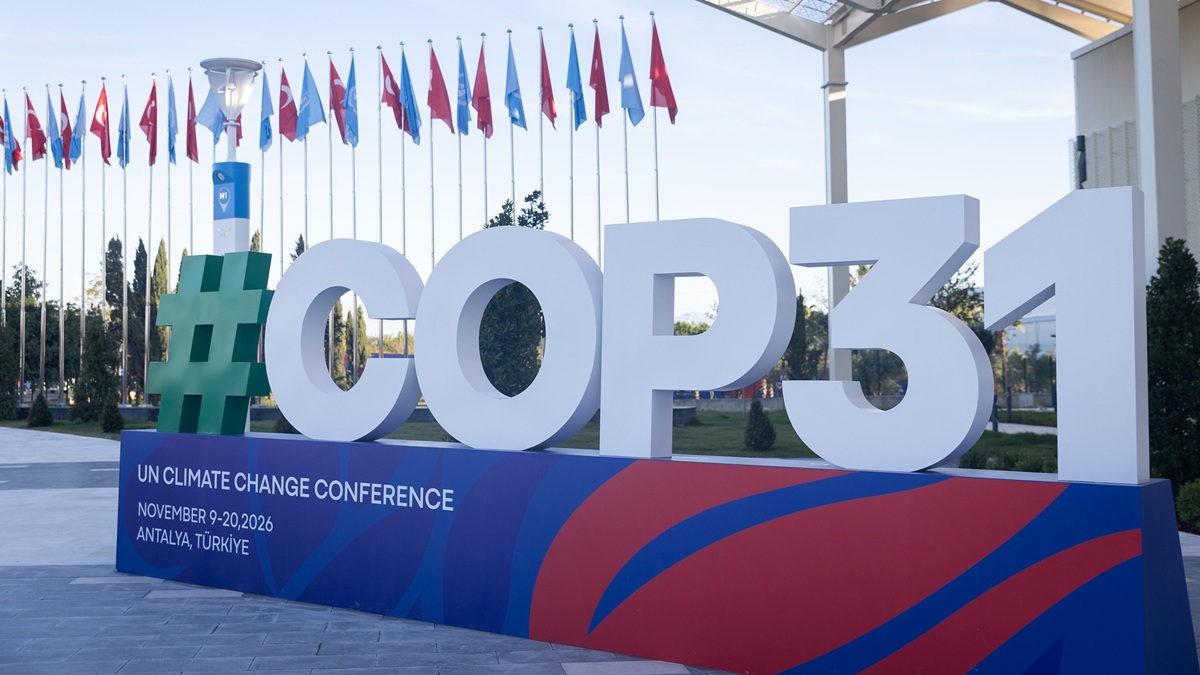
Kwami Kpondzo is the co-coordinator of the Africa Working Group of the Hands Off Mother Earth (HOME) Alliance. He shared this warning during the UN climate summit COP31 in Antalya, Turkey.
He stressed that coastal communities should not be left out of decisions on technologies that could impact their waters and livelihoods.
“Africa is not a lab; it is not a laboratory for geoengineering,” Mr Kpondzo told PREMIUM TIMES on Wednesday.
His warning comes as researchers look into whether South Africa’s Saldanha Bay could be a site for testing marine carbon dioxide removal. Meanwhile, delegates at COP31 are divided over this technology.
The draft of the summit’s main decision, released on Monday, mentions carbon dioxide removal. Climate groups at the summit protested against marine geoengineering, according to PREMIUM TIMES.
This kind of wording in the decision could lead to more research into these methods. Mr Kpondzo believes this is a waste of money.
He argued that the funds should be used for initiatives that actually improve conditions for affected communities.
“We want that money to be put for real solutions that communities are pushing for,” he said.
Marine carbon dioxide removal involves techniques meant to help the ocean absorb more carbon dioxide. This could include adding alkaline materials to seawater or adding iron to boost phytoplankton growth. Phytoplankton are tiny organisms that take up carbon dioxide.
The Intergovernmental Panel on Climate Change (IPCC) says carbon removal is necessary to achieve net-zero emissions. But it cannot replace the need for reducing emissions significantly. The US National Oceanic and Atmospheric Administration (NOAA) points out many uncertainties about how effective these ocean-based methods are, as well as their costs and impacts on people and ecosystems.
Mr Kpondzo warned that fishers in the Gulf of Guinea might face pollution, fewer fish, and restrictions on where they can work. He did not mention any damage from existing projects.
He said coastal communities are often told they can make money from selling carbon. But they need to understand the risks involved first.
“Awareness raising is very important for coastal communities this time around,” he said.
Researchers are looking at Saldanha Bay in South Africa’s Western Cape as a potential site for a pilot project that would add alkaline material to seawater.
Caitlin Wale, the engineer managing the project, said in an interview in October that a pilot will only happen after lab studies and contained experiments prove it is safe.
HOME Alliance plans to continue working with its 200 member network across more than 45 countries to oppose geoengineering in Africa. They aim to build capacity and advocate for communities.
Mr Kpondzo said their “Don’t Geoengineer Africa” campaign is training community groups, civil society organisations, and students in Ghana, Uganda, the Democratic Republic of Congo, Togo, and Nigeria. The Health of Mother Earth Foundation (HOMEF) leads this work in Nigeria.
The group is also against solar radiation modification technologies that aim to cool the planet by reflecting sunlight. African environment ministers rejected this approach in 2023 and again in July 2025, stating it does not effectively address climate change.
Mr Kpondzo also called for the removal of carbon markets from climate discussions. He said emissions should be reduced where they are generated.
“The only way to cut the emissions is to do it at the source, not from the technologies and not from the financialisation of nature,” he said.

Drop your comment
No comments yet — be the first to drop the gist 👇