An African development expert has warned that different national interests and poor coordination among African countries could weaken the continent’s power in global climate talks. This is especially true for their push for climate finance and a fair shift away from fossil fuels.
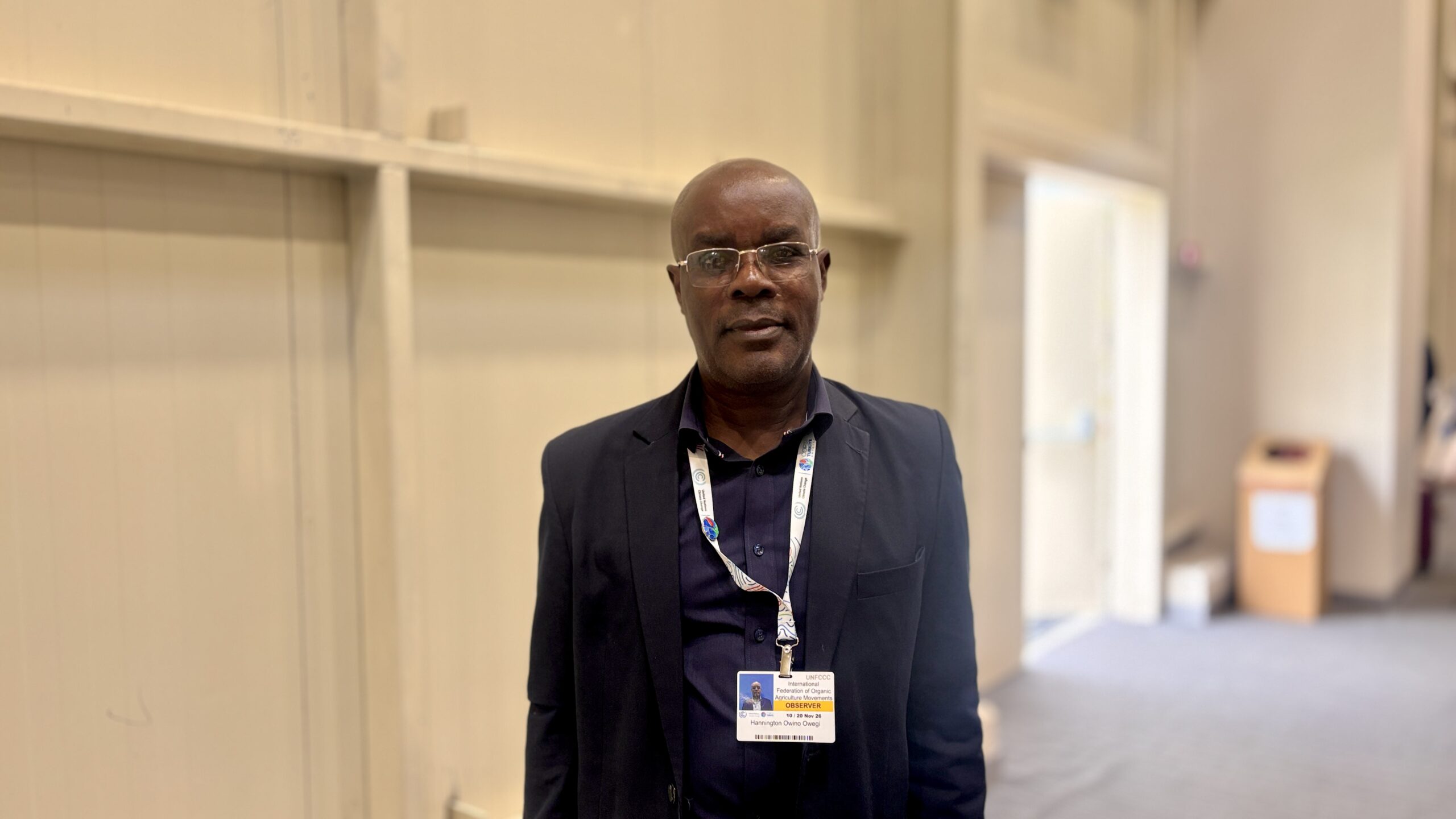
Hannington Owegi, the secretary-general of the Participatory Ecological Land Use Management (PELUM) Association Regional Secretariat, said African countries are finding it hard to turn their shared climate worries into a strong negotiating stance.
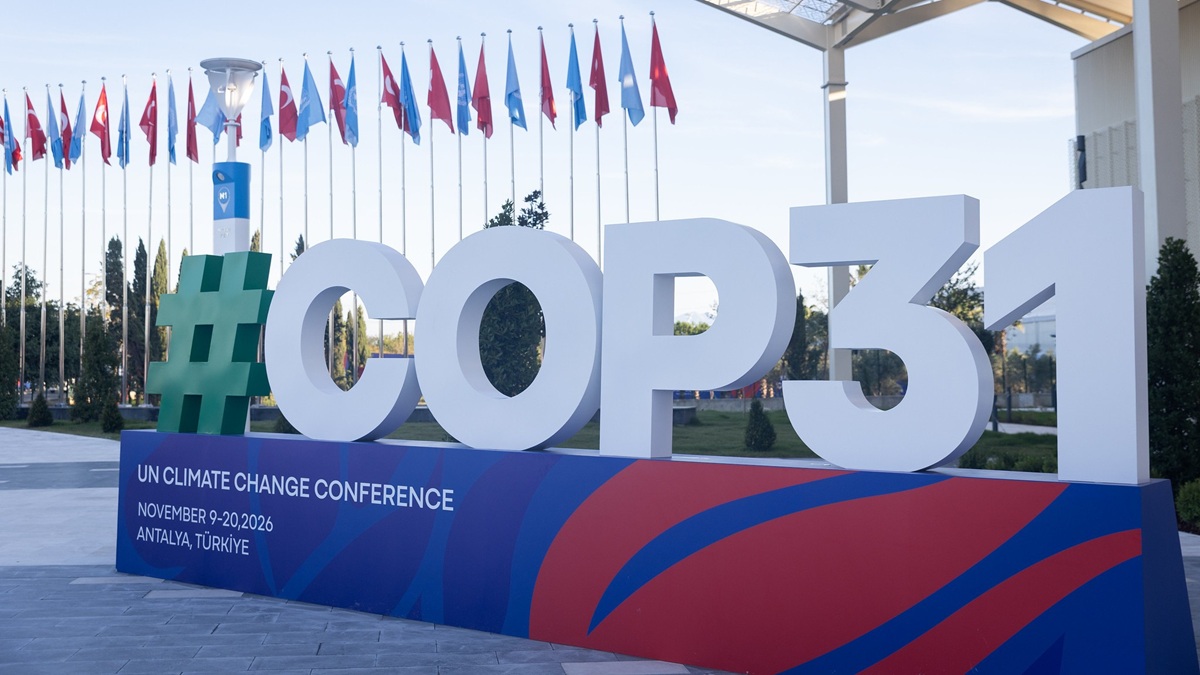
In an interview with PREMIUM TIMES at the ongoing 31st United Nations Climate Change Conference (COP31) in Antalya, Türkiye, Mr Owegi explained that the differences in countries’ economic and energy goals should not stop them from finding common ground and negotiating together.
“We tend to think that African diversity is a weakness. It is not. But within the African continent, we are fragmented. The negotiations are fragmented. We don’t seem to be agreeing,” he said.
He also mentioned that civil society groups pushing for climate action are also split, which makes it tough to build the pressure needed to impact negotiations.
African countries have often called for a fair energy transition that takes into account their development needs, such as affordable electricity, industrial growth, job creation, and poverty reduction.
But the energy and economic situations across the continent are very different. Countries like Nigeria, Angola, and Mozambique have significant oil and gas resources, while others rely less on fossil fuels and have different abilities to develop renewable energy.
For nations with large petroleum reserves, moving away from fossil fuels raises issues about government income, foreign investments, jobs, and the future of their energy sectors. At the same time, many African nations struggle with low electricity access, high energy costs, and poor infrastructure, making energy choices a big development worry.
These differences make it hard to discuss how fast countries should shift away from fossil fuels and what help they will need to do this. Mr Owegi stated that competing priorities are weakening Africa’s negotiating power, but he believes countries can agree on common demands even with their different situations.
“Different priorities should not break us, but rather unite us,” he said. He pointed out climate finance, agricultural growth, and productivity as areas where African countries could form a united negotiating strategy.
Mr Owegi mentioned that he could not speak specifically about the motivations or negotiating goals of individual oil-producing countries because his organization does not operate there. Instead, he suggested that regional economic groups should take a more active role in helping countries align their interests before global talks.
He said countries should first agree on common goals within their regional groups and then use those shared positions to create a stronger continental strategy. Despite the differences in national situations, African countries already have a negotiating framework through the African Group of Negotiators (AGN), which coordinates the continent’s positions in United Nations climate discussions.

Before COP31, the AGN developed an action plan outlining priorities and responsibilities across various areas like adaptation, climate finance, agriculture, and just transition. The group’s priorities show the continent’s long-standing argument that its development needs must be part of global climate decisions.
This is especially important since Africa contributes little to greenhouse gas emissions but faces significant climate impacts. According to the United Nations Economic Commission for Africa (ECA), the continent contributes less than four percent of global greenhouse gas emissions but suffers some of the worst climate effects.
The ECA estimates that Africa needs about $277 billion each year to carry out its climate plans, but only 11 percent of that amount is currently provided. It also notes that just $3 to $4 of every $100 in global climate finance goes to Africa. These funding gaps make climate finance one of Africa’s top negotiating points.
At COP31, the AGN has continued to demand proper, reliable, and accessible funding, especially grant-based and highly concessional finance, to support adaptation and the implementation of countries’ climate commitments. On November 18, the group’s chair, Antwi-Boasiako Amoah, stressed that climate finance, adaptation, and a fair, well-financed just transition remain key to Africa’s negotiating needs.
The AGN has also stated that transition plans must reflect the different development situations of African countries and should not hinder their rightful goals for energy access and industrial growth.
But Mr Owegi believes that agreeing on common priorities is just part of the task. African countries must also coordinate well enough to impact the outcome of negotiations. He emphasized that Africa should view the energy transition as a broader development process, not just a shift from fossil fuels to renewable energy.
He added that the transition should also address changes in agricultural production, food systems, and infrastructure, as these areas are closely linked to livelihoods and economic growth across the continent.
“Energy transition should not be looked at from one pillar of fossil fuel,” he stated. He warned that treating energy, agriculture, and infrastructure as separate matters could weaken efforts to achieve a transition that meets the needs of African communities.
For him, a fair transition should consider how countries can boost agricultural productivity, expand electricity access, improve infrastructure, and create job opportunities while tackling climate change.
The International Energy Agency (IEA) has highlighted energy access, investment in clean energy infrastructure, and building local energy industries as crucial for Africa’s transition. Mr Owegi urged African countries to keep pushing for a just transition but go beyond endless discussions to make real agreements and take action. He noted that this topic has been part of global climate talks for many years, yet countries still struggle to agree on how to turn it into action.

Drop your comment
No comments yet — be the first to drop the gist 👇