---
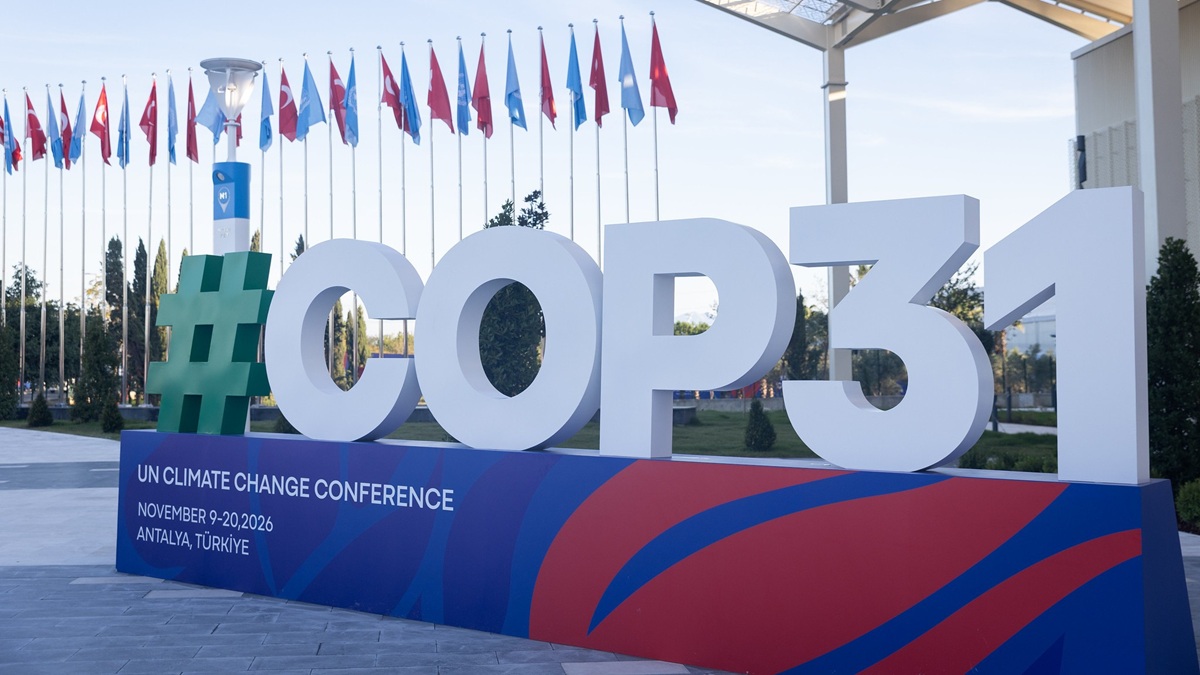
African countries have warned against any moves to change the Paris Agreement. They insist developed countries must keep their climate promises. This comes as disagreements over finance and support for vulnerable economies continue at the 31st United Nations Climate Change Conference (COP31) in Antalya, Türkiye.
The African Group of Negotiators on Climate Change (AGN) represents all 54 African countries in global climate talks. They called any attempt to change the agreement, especially its rules on obligations, unacceptable.
This stance shows a wider worry among African negotiators. They believe discussions on global climate action must not weaken the responsibilities set out in the 2015 agreement. This is especially important as developing countries still struggle to get the funds they need to meet their climate goals.
The Paris Agreement, adopted at COP21 in France, set a target for countries to limit global warming to well below 2°C above pre-industrial levels. It also aims to keep the temperature rise to 1.5°C.
While the agreement requires all countries to submit and improve their climate plans, it acknowledges that different countries have different abilities and responsibilities. It also asks developed countries to provide funds to help developing nations with climate action.
For African countries, which contribute little to historical global emissions but face serious climate risks, how these commitments are fulfilled is key in the talks.
At a press conference on Thursday, AGN Chair Antwi-Boasiako Amoah said Africa will not support efforts to change the agreement, especially its obligations. “Any attempt to renegotiate the Paris Agreement, especially when it comes to obligations, is something that the African continent rejects. We need to stay within the confines of the agreement because that is what we all have agreed in the past to do business with,” he said.
Finance beyond Pledges
Besides protecting the current agreement, African negotiators want changes in how climate finance is structured and delivered. They argue that just having funding does not mean vulnerable countries can access or use it effectively.
Many African economies need a lot of investment in areas like infrastructure, agriculture, water management, energy, and disaster preparedness for climate action. But limited budgets and high debt levels restrict how much they can commit to these needs alone.
Mr Amoah said the continent's worry is not just about increasing climate finance. It is also about ensuring funds are given as grants and low-interest loans, rather than ways that could add to their existing debt problems.
He mentioned African negotiators are working with various climate finance platforms, including the Green Climate Fund (GCF), to ensure funding helps implement countries' climate plans. “We have been very vocal, not just talking, but also trying to make sure that the structures that deliver finance, that is, grants and highly concessional finance, from whichever platform we find ourselves,” he said.
Concerns over Green Climate Fund
Mr Amoah also spoke about ongoing efforts by African negotiators to shape the policies for the next replenishment of the Green Climate Fund, expected next year. This fund helps developing countries tackle climate change through projects that cut emissions and build resilience.
According to Mr Amoah, the fund's board has recently set two policies for the replenishment process: one for traditional contributors and another for financing from alternative sources. He stressed that keeping these categories separate is important to ensure traditional donor countries do not mix their responsibilities with new financing sources.
The Cost of Accessing Climate Grants
Mr Amoah raised concerns about the conditions tied to some international climate grants. He said these financial requirements can put extra pressure on countries already struggling with funding.
Using the Global Environment Facility (GEF) as an example, he explained that a country might need to spend seven dollars of its own money to get one dollar in grant funding. He argued this kind of setup defeats the purpose of giving financial help to resource-limited countries.
“If I take one dollar from GEF, from South Africa, I need to put on the table seven dollars to be able to get one dollar grant,” he said. His remarks highlight a broader worry about the accessibility of climate finance, especially when matching-fund requirements and other conditions make it hard for vulnerable countries to benefit.
African Countries' Own Investments
Mr Amoah also dismissed claims that African countries want international financial support without investing their own resources in climate action. He pointed out four African projects approved by the Green Climate Fund that received nearly $300 million in grants.
He said the countries involved raised an additional $4.2 billion to support these projects. This shows, he argued, that African governments are willing to invest significantly in climate action when they get international backing. This example supports his point that international climate finance should be seen as help for countries that are already investing, not as aid to governments that refuse to spend their own money.
Drop your comment
No comments yet — be the first to drop the gist 👇