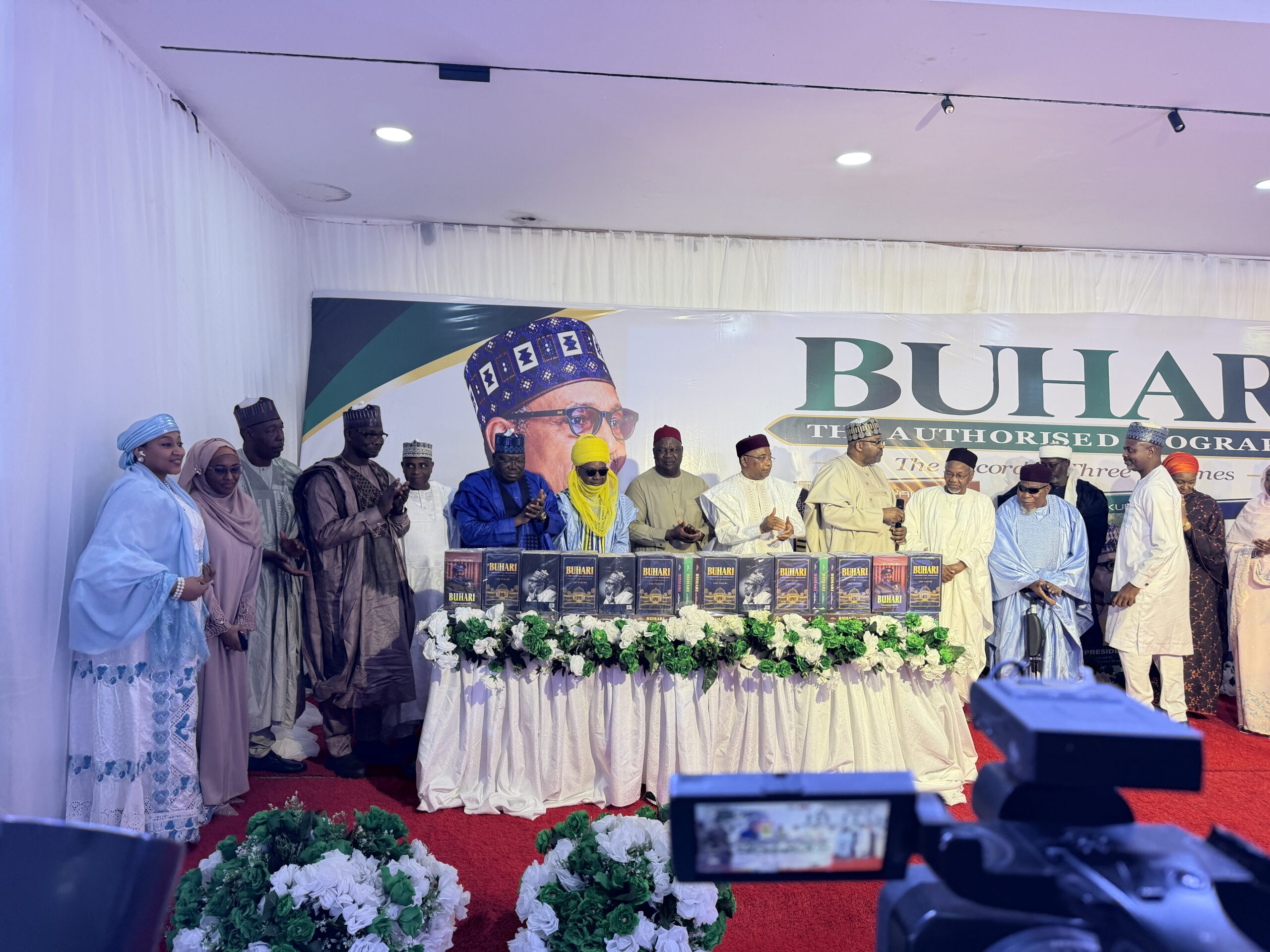
A three-volume authorized biography of former President Muhammadu Buhari was launched in Abuja on Thursday. The biography covers his military career, political journey, eight-year presidency, and his mixed legacy.
Titled ‘The Making of Muhammadu Buhari: The Authorized Biography,’ the book was written by researcher Udo Yakubu and published by May Publishing Limited.
The biography follows Mr Buhari’s life from his early days in Daura, Katsina State, through his military career and rise as an opposition leader to his election as president in 2015 and his exit from office in 2023.
At the launch, former Nigerien President Mahamadou Issoufou praised the book. He said it is an important addition to Nigeria’s history and will help future generations understand Mr Buhari’s leadership, successes, and controversies.
Mr Issoufou, who led the event, said the late Nigerian leader held a special place in Niger’s history and had a deep connection with the people of Niger.
“To us Nigeriens, he was almost a compatriot and, indeed, even more than that: a kinsman, a member of the same family which the colonial adventure attempted to separate by drawing the famous Say-Baroua line between our two countries,” he said.
He noted that Mr Buhari led Nigeria first as a military Head of State and then as an elected president three decades later. In between, he faced imprisonment, stepped back from politics, ran in several presidential elections, and lost three times before winning in 2015.
“That journey alone constitutes an extraordinary political trajectory,” Mr Issoufou said.
Yet he cautioned against viewing Mr Buhari’s life through political slogans or the emotions of his time in office. He said assessing history needs evidence, time, and distance. The biography will provide material for future generations to evaluate the former president’s choices and their outcomes.
“None of us can claim to have the final word on Muhammadu Buhari. Nor should any biography pretend to do so,” he said.
Mr Issoufou also shared his experiences with Mr Buhari, especially their talks about regional politics and the issues facing the Economic Community of West African States (ECOWAS). He said their friendship did not need them to agree on everything.
Shettima Talks About Buhari’s Character
Vice President Kashim Shettima said true leadership comes from the character of those in public office, not just from their power and privileges.
He made these comments through Aliyu Modibbo, his Special Adviser on General Duties. Mr Shettima said Mr Buhari showed this with his simple lifestyle, self-discipline, and dedication to public service.
Speaking on the theme, “The Life We Leave to History,” the vice president called the late president a remarkable figure in Nigeria’s political history. He said Mr Buhari’s personal restraint and connection with everyday Nigerians set him apart from many others.
“His Spartan lifestyle distinguished him in a world where too many seek public office to satisfy private appetites. There was something striking about a man who could command so much and desire so little,” he said.
Mr Shettima recalled lessons he learned from the former president, especially his indifference to material wealth and commitment to serving the nation.
“He taught me that the dignity of office depends upon the character of its occupant. He also taught me that a leader’s example continues to speak long after he’s out of service,” he said.
He acknowledged that Mr Buhari’s military and democratic leadership attracted both admiration and criticism over his decisions. But the former president’s lasting bond with many Nigerians showed their respect for his values and leadership style.
Mr Shettima said the publication also stressed the need to keep records of decisions made by public officials. He called on current leaders to document their decisions and the reasons behind them.
“The privilege of serving a nation includes the obligation of explanation. History becomes poorer whenever those who could have supplied its evidence leave it with unanswered questions,” he said.
Author Promises Honest Account
Mr Yakubu mentioned that the biography came from over two and a half years of research, interviews, writing, editing, and verification. He said Mr Buhari approved the project and helped with research without interfering with his independence as a biographer.
“He gave the work the legitimacy of access without taking away my independence of judgment. I regret that he did not live to see these works completed, but the record now carries his voice,” he said.
Mr Yakubu explained that the main task was to see how different stages of Mr Buhari’s life linked together and how his experiences shaped his leadership style.
He noted that the biography looks at Mr Buhari’s change from a military officer and former Head of State to a politician who ran for president multiple times before finally winning in 2015.
The author recognized that Mr Buhari is still a polarizing figure in Nigerian politics. Supporters see him as disciplined and incorruptible, while critics view his leadership as rigid and disconnected from the people.
He said his job was to explore the various views of the former president’s life and let the evidence and outcomes of his decisions guide the narrative.
Mr Yakubu added that Mr Buhari’s passing ended the chance for more direct interviews, but that does not mean the biography will ignore the truth or soften the facts.
“There are sections that highlight achievements. Others will discuss failures. Some will please his supporters. Others will make them uncomfortable. The same will be true for his critics. That is the reality of attempting to cover a life in full,” he said.
Contents of the Three Volumes
The biography is split into three volumes, each focusing on a different part of Mr Buhari’s life and career.
The first volume, The Phenomenon, looks at his background, childhood, military education, and career. It covers his time in the Nigerian Civil War, his role as a military governor, and his rise as Head of State in 1983.
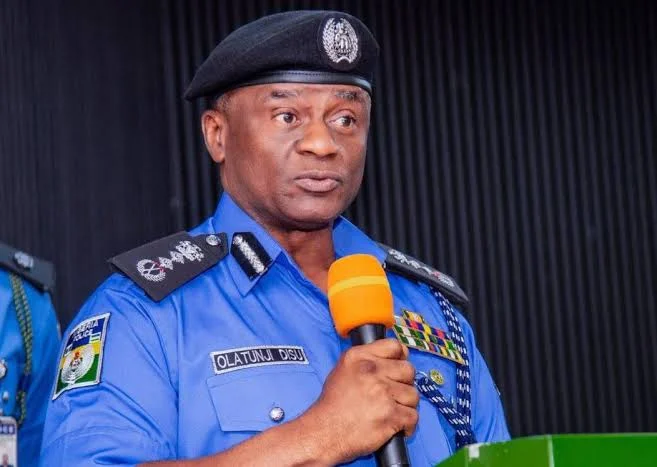
It also discusses the policies and controversies of the Buhari-Idiagbon government, his removal in 1985, imprisonment, and years away from power. The volume follows his return to politics, including his presidential runs in 2003, 2007, and 2011, and the formation of the All Progressives Congress (APC) that led to his victory in 2015.
The main theme is his determination in Nigerian politics despite losing power in 1985 and facing multiple defeats before returning to the presidency through elections.
The second volume, The Presidency, covers Mr Buhari’s time in power from 2015 to 2023. It looks at security issues, the fight against insurgency, anti-corruption efforts, economic management, and infrastructure projects.
It also discusses the government’s efforts to build political coalitions, Mr Buhari’s re-election in 2019, the COVID-19 pandemic, and the growing security challenges during the last years of his administration.
The volume examines the dynamics within the presidency and the difficulties in transforming Mr Buhari’s long quest for power into effective governance.
The third volume, The Reckoning, evaluates his record in areas like security, the economy, infrastructure, anti-corruption efforts, governance, foreign relations, and national unity.
It contrasts the administration’s successes with its shortcomings, looking at the outcomes of its decisions and the context in which they occurred. It also reviews Mr Buhari’s leadership style, restraint, delegation, and the contradictions that defined both his military and democratic times.
Mr Yakubu said the title reflects historical accounting rather than judgment.
“The Phenomenon speaks to Buhari’s remarkable persistence. The Presidency shifts from the quest for power to the results of having it. The Reckoning acknowledges that every public life eventually faces the moment where intention, action, consequence, and history must meet,” he said.
Reviewers Reflect on Buhari’s Legacy
Reviewing the first volume, The Phenomenon, Chijioke Wigwe called it an authoritative account of Mr Buhari’s life, filled with his last significant recorded thoughts.
He traced the former president’s path from his childhood in Daura through his military career, his appointment as Federal Commissioner for Petroleum, and his rise as Head of State.
Mr Wigwe also looked at the events leading to his removal, his return to farming, and his eventual comeback to politics. He noted that Mr Buhari’s firmness shaped his leadership and influenced his removal from office.
“History must neither flatter nor condemn blindly but must examine dispassionately the human being whose life became part of the Nigerian story,” he said.
In reviewing the second and third volumes, The Presidency and The Reckoning, Tijjani Muhammad-Bande pointed out institutional discipline, accountability, and national unity as key aspects of Mr Buhari’s leadership.
He remembered how the former president insisted that public funds for projects should lead to real results and that he respected institutional processes and the constitutional limits of public officeholders.
Mr Muhammad-Bande described Mr Buhari as a strong believer in Nigeria’s unity who opposed any violent attempts to divide the country, regardless of ethnic or religious backgrounds.
He stated that the former president upheld the right to peaceful protest but firmly rejected violence against the state.
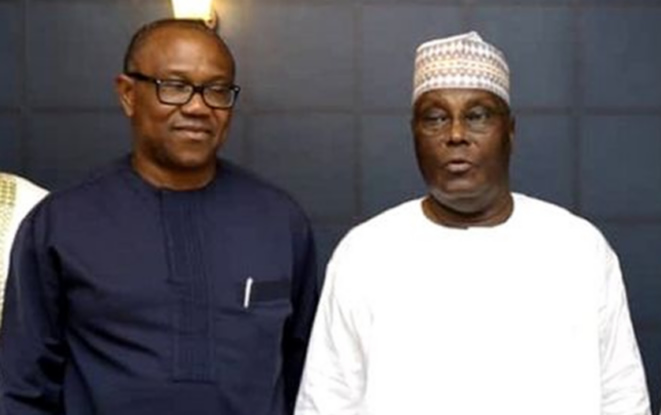
Former Senate President Pius Anyim, representing former President Goodluck Jonathan, also paid tribute to Mr Buhari. He highlighted that Mr Buhari valued personal relationships and was committed to maintaining them.
Business mogul Abdulsamad Rabiu, represented at the event by former senator Lawal Shuaibu, expressed deep appreciation for Mr Buhari. He called him “everything to me.” Mr Rabiu described Mr Buhari as a “father, a mentor, a trusted friend and a pillar of strength to me and my family.”
“He was an iroko tree upon which I leaned when my strength was failing. He was always there for me, particularly during some of the most difficult moments of my life and business. I will never forget the enormous challenges I faced with certain government agencies, challenges that threatened the very survival of my business and everything I had worked so hard to build.
“At that critical moment, President Buhari stood firmly on the side of justice. Despite strong resistance and enormous pressure to act otherwise, he refused to be swayed. His integrity, courage and commitment to fairness prevailed.
“I remember vividly his assurance that he would always do what was right, regardless of who was involved or how powerful they might be. His words and genuine concern moved me to tears. Ultimately, his steadfastness saved my business. For that, I will remain eternally grateful. I will never forget it for as long as I live,” Mr Rabiu said, adding that he would donate N500 million to buy 100 copies of the book.
Biography Should Be Part of Our National Memory
Earlier, Suleiman Adamu, former minister of Water Resources and chairman of the planning committee for the book launch, said the event was a chance to reflect on leadership, public service, and keeping Nigeria’s collective memory alive.
He noted that the biography captures over sixty years of the country’s history through Mr Buhari’s experiences in the military, civil war, government, coups, imprisonment, opposition politics, and democratic leadership.
Mr Adamu mentioned that the former president authorized the project, took part in interviews, and answered questions about different stages of his life, including difficult and controversial times.
He said the research also included accounts from people who worked with Mr Buhari, advised him, opposed him, or met him through the institutions he led.
Mr Adamu urged Nigerians to make sure the books are accessible beyond private collections. He emphasized the need for them in universities, research institutions, and public libraries.
“We want these books placed in public and private universities, polytechnics, colleges of education, research institutions, and major libraries across Nigeria,” he said.
He concluded that these books should serve as reference materials for future students and researchers studying Nigerian history, politics, public administration, military studies, economics, international relations, security, and leadership.
Drop your comment
No comments yet — be the first to drop the gist 👇