Nine countries have endorsed the Borrowers’ Platform. This new initiative aims to give developing nations a stronger voice in talks about sovereign debts. A senior United Nations official shared this news on Thursday.
The nine countries include five from Africa and four from other parts of the world. The African countries are Central African Republic, Egypt, Ghana, Madagascar, and Sudan. The other countries are Colombia, Honduras, Nepal, and Pakistan. Egypt is the interim chair of the platform, while Pakistan is vice-chair.
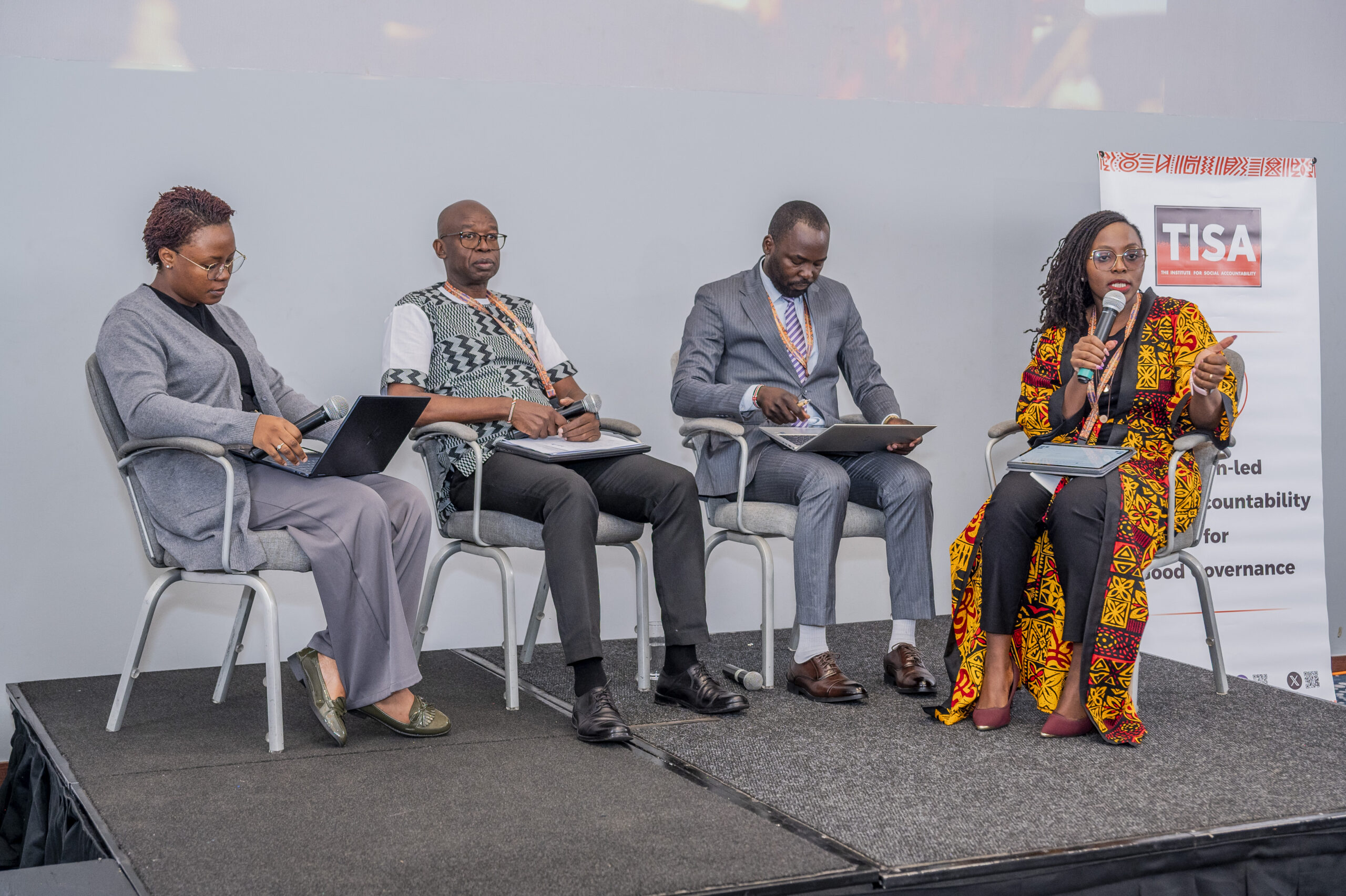
Penelope Hawkins, who oversees the Debt and Development Finance Branch of the United Nations Trade and Development (UNCTAD), made this announcement at the sixth African Conference on Debt and Development (AfCoDD VI). This event took place in Nairobi and was organized by the African Forum and Network on Debt and Development (AFRODAD). She spoke during a session about making the Common African Position on Debt (CAP) and the Borrowers’ Platform work for the people.
Hawkins urged civil society groups in Africa to push their governments to join the platform. "Civil society must be asking your governments, are you joining the Borrowers’ Platform? Why are you not joining the Borrowers’ Platform? What is it there that is holding you back?" she said.
The Borrowers’ Platform was launched in April during the IMF-World Bank Spring Meetings. UNCTAD is the secretariat for this initiative. It aims to help borrowing countries manage their debts better, share knowledge, and coordinate their views in global debt discussions.
Why the platform is important
Hawkins pointed out that the platform was created because developing countries have not had much influence over the international financial system. This is despite being heavily affected by decisions made in that system.
She noted that the imbalance is clear in institutions like the World Bank and the International Monetary Fund. Changes in representation have not really changed voting power. Hawkins also mentioned that African debt managers want to share their expertise with the platform and align it with the CAP.
She revealed that this issue was raised at a meeting in Harare, Zimbabwe. There, African debt managers discussed how their skills could help this initiative.
Moving the CAP into action

This discussion came months after African leaders adopted the Common African Position on Debt. The African Union Heads of State and Government adopted the CAP in February. This framework aims to tackle debt sustainability, restructuring, and reforms in the global financial system.
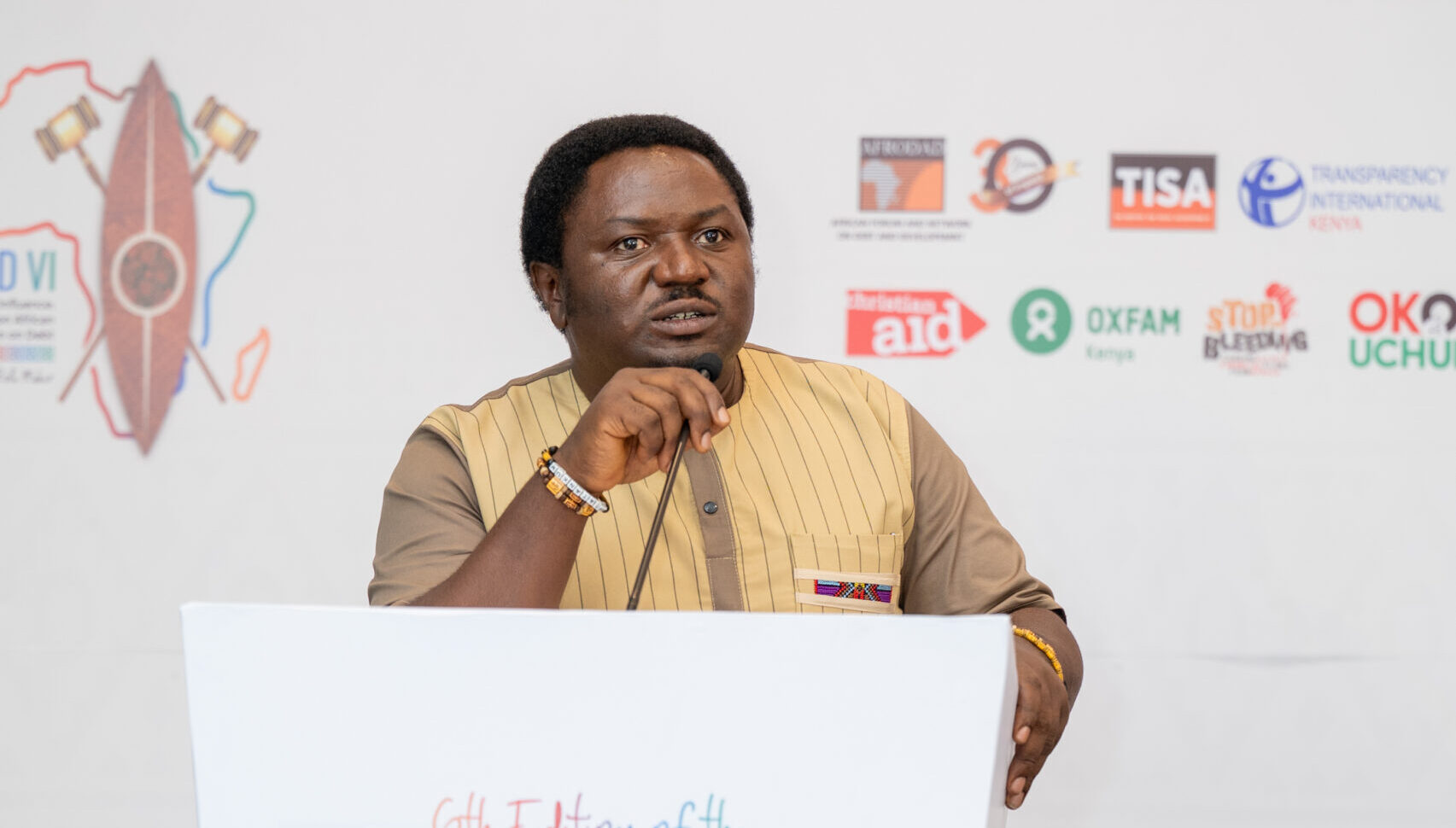
But speakers at the session said that adoption is just the first step. The real challenge is to take action that can shape how African nations borrow and negotiate with creditors. Shem Joshua emphasized that African countries must turn political agreement into collective action.
"The fundamental question that we need to ask ourselves is not about the rate of power, but how do we convert the political convergence into a collective agency or collective strategy?" Mr Joshua said. Participants explained that if African countries negotiate alone with powerful creditors, they often face an unfair position. A united front could give them more strength during debt restructuring and negotiations.
Panellists also called for debt restructuring plans to be shared publicly before finalizing them. This would allow lawmakers and citizens to examine them. Bob Gikuyu, a senior theology advisor at Christian Aid, said faith-based groups could help bring the stories of communities affected by debt and austerity into national and global discussions.
The burden of debt on citizens
The impact of debt on citizens was highlighted with information from Zambia. Participants stated that around 49.1 billion Zambian kwacha was released in the budget in June. Out of this, 34.9 billion kwacha, which is about 71 percent, went to debt servicing. Only about 11 percent was spent on social and capital projects.
Speakers argued that debt restructuring should be assessed not just by economic indicators but also by whether governments can keep providing essential services like healthcare, education, and social protection. They added that developing countries paid over $500 billion more in interest in a year than if they had borrowed at rates available to wealthier nations.
Debt-servicing costs in developing countries have climbed by about 100 percent in the last ten years, while government revenues only grew by 39 percent. Hawkins, one of the speakers, said that the full list of countries backing the Borrowers’ Platform will be released before a governance meeting in October. She called on more African governments to join, stressing that wider participation would strengthen the voice of developing countries in efforts to reform the international financial system.

Drop your comment
No comments yet — be the first to drop the gist 👇