Across Africa, rising debts and high borrowing costs have raised worries about how governments take loans and manage these debts.
For example, Nigeria's public debt was N159.35 trillion as of March 31, according to the Debt Management Office (DMO). This amount includes N87.40 trillion in domestic debt and N71.95 trillion in external debt.
PREMIUM TIMES reported that African countries spend about $90 billion each year just to service their debt. They also pay around $75 billion more in interest due to the high risk linked to borrowing.
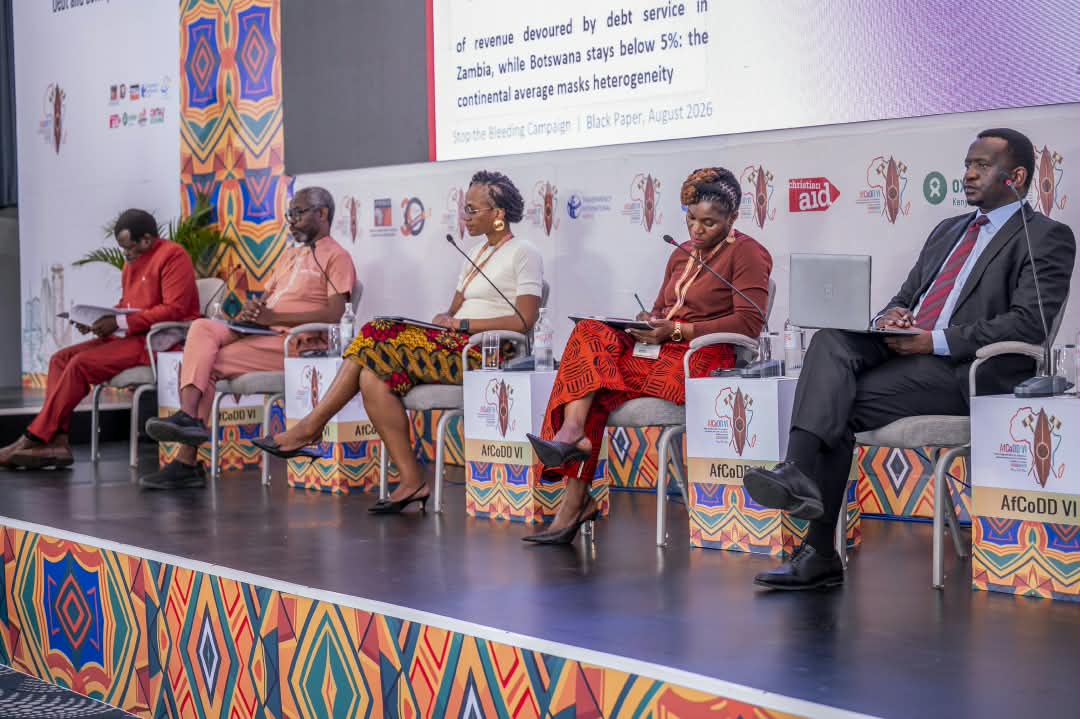
During the sixth African Conference on Debt and Development (AfCoDD VI) in August in Nairobi, Kenya, the African Forum and Network on Debt and Development (AFRODAD) urged African nations to collaborate more in their dealings with creditors.
In many African countries, the cost of debt forces governments to make tough decisions between paying off debts and investing in health, education, and climate resilience. The continent needs about $1.3 trillion every year to meet the Sustainable Development Goals.
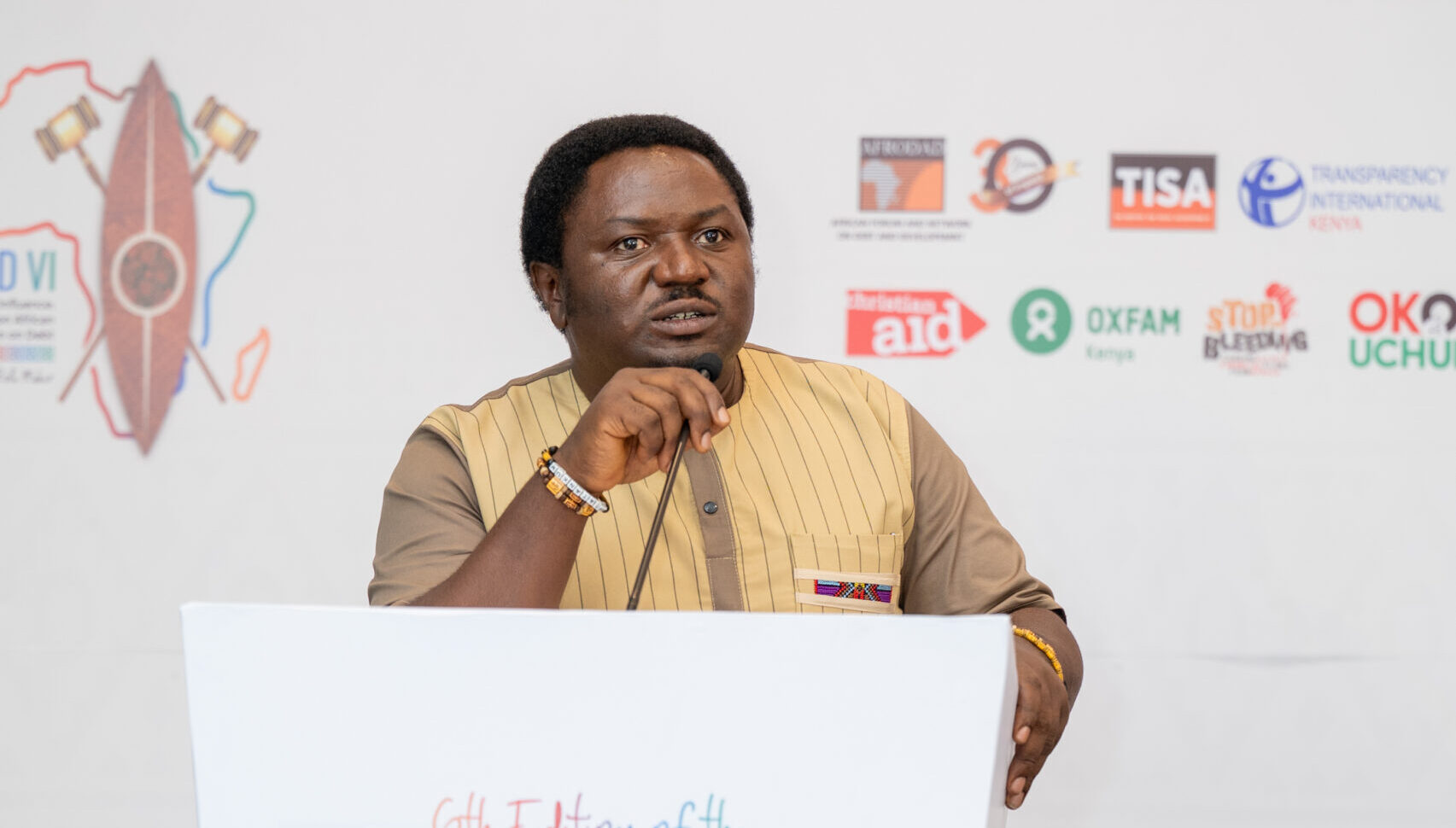
Theo Jong, AFRODAD’s Policy, Advocacy and Research Manager, says African countries weaken their bargaining power when they negotiate with creditors on their own.
In an exclusive interview with PREMIUM TIMES at the conference, Mr. Jong, a Cameroonian expert in development and research, discussed issues in sovereign loan agreements, the need for debt transparency, resource-backed borrowing, and the importance of a united front when dealing with creditors.
He believes better governance, transparency, and accountability are key to resolving the debt crisis in Africa.
PT: AFRODAD has looked into sovereign loan agreements in different African countries. What loan terms concern you the most, and can you give an example where a clause harmed a country?
Jong: AFRODAD has examined sovereign loan terms, and there are many worrying issues. I will highlight two that stand out.
First is transparency. Many loans have confidentiality clauses. This means citizens, journalists, and parliament members cannot see the terms of the loans.
This lack of transparency creates problems for accountability and responsible borrowing. Loans should benefit African citizens and not put countries in economic trouble.
Another issue is that many contracts are only disputable in foreign courts. If there is a disagreement, it might be resolved in London, Paris, or New York rather than in the African country that borrowed the funds.
Many loans also follow the laws of foreign countries, which is a significant concern.
There are also issues with the currencies used for borrowing. Countries often borrow in dollars, euros, Japanese yen, or Chinese yuan. This is a challenge because countries must earn these foreign currencies to pay off the debt.
When problems like inflation or currency devaluation arise, servicing the debt becomes even harder.
Another problem is that some contracts are signed in languages that local officials cannot understand. For example, we have seen contracts signed in Chinese. How many of us can read Mandarin?
When there are clauses that could worsen debt problems in these contracts, it makes it tough for governments to handle them if they do not fully understand what they signed.
Borrowing itself is not the issue. We have heard that throughout this conference. The bigger questions are what countries are borrowing for and if they have proper debt governance.
The lack of coordination is also a problem. Nigeria negotiates with China alone, just like Cameroon, Chad, Benin, Zimbabwe, and Zambia do.
Debt is controlled by rules that shape the global financial system. For African countries to change these rules and get better loan terms, they need to reform the system.
But when governments talk to creditors separately, they become more vulnerable. They miss the chance to negotiate together and strengthen their bargaining power to change loan terms.
PT: There is more talk about debt transparency now. What are African governments still not revealing to their citizens? Can you give an example of a loan or creditor that is hard for the public to identify?
Jong: African countries have had cases of hidden debt.
Senegal is one example. A huge amount of debt was taken on by the previous government and later discovered by the current administration.
This raises concerns about transparency and how governments borrow.
We have also seen confidentiality clauses in debt talks under the G20 Common Framework, including cases involving Zambia and Ghana. Some terms are not shared with citizens or parliament members.
In the end, people may find themselves responsible for a large debt without knowing the exact amount, the terms, or the reasons for borrowing.
These are common issues in African countries, contributing to the continent's debt problems.
PT: Resource-backed borrowing was discussed at AfCoDD VI. How does it work, and what risks come when countries use oil, minerals, or future resource income as collateral?
Jong: Resource-backed borrowing isn’t necessarily bad if the rules are clear.
We need to know how much of a country’s resources are committed against how much borrowing. The main problem is often the lack of transparency.
There have been scandals involving resource-backed borrowing, like the Tuna Bonds case in Mozambique and issues in Chad. These agreements were made under unclear terms and have led to problems for those countries.
A report by the Natural Resource Governance Institute also highlights resource-backed loans in several African countries.
One risk is that countries might not negotiate favorable terms, especially when the value of their resources goes up internationally. They may keep selling resources at the same rate they were valued when pledged as collateral.
Another challenge is that the terms of these deals and the reasons for borrowing are not always clear.
To escape this situation, we must focus on debt governance, transparency, and accountability in discussions about borrowing.
This goes beyond single countries. It requires a united approach at the regional level so African governments can influence the global debt system.
PT: AFRODAD has suggested tools for tracking resource-backed loans and public registers showing who governments owe. Why have African countries had trouble setting up these systems? Is it a lack of capacity, political resistance, or unwillingness to make borrowing public?
Jong: The issue is not a lack of technical skills. There has been a lot of policy advice from the IMF, World Bank, and civil society.
The problem is in the execution.
This is not just a technical issue. It needs political will to implement policies that serve African countries and citizens, not just the global financial system.
For example, the current G20 Common Framework used by Ghana, Zambia, and Ethiopia does not address the main causes of debt. It deals with the effects.
Credit ratings are part of why African countries borrow at higher rates than those in Europe or the US.
Credit ratings, interest rates, and the power dynamics in debt restructuring are all part of the rules that shape how the system works.
African countries cannot easily change those rules. They are mostly rule-takers, not rule-makers because of these power imbalances.
This goes beyond technical issues. It is also political.
This is why political coordination and a shared African position are key. If African countries want to change the rules and gain more influence, they need to work together politically.
We have plenty of ideas. It is not about a lack of funds. The problem is that we have not figured out how to unite as one continent to tackle the global financial system.
PT: Zambia, Ghana, and other African countries have gone through debt restructuring, yet problems remain. What has restructuring not fixed?
Jong: The issue with the current G20 Common Framework is that restructuring does not tackle the root causes of the debt. It only addresses the effects.
Credit ratings, interest rates, and the power dynamics in debt restructuring are part of the rules that shape how the system functions.
African countries cannot redefine those rules. They are mainly rule-takers instead of rule-makers due to power imbalances.
If we want to change those rules, we need political coordination. We need a common African position.
PT: Africa is exploring its own debt institutions and negotiation methods. What is the biggest challenge, lack of money, political will, disagreements among governments, or pressure from creditors?
Jong: We have seen leaders in Africa who had the political will but were removed violently. There were political assassinations, like what happened to Lumumba, Thomas Sankara, and former Ghanaian President Kwame Nkrumah.
These were people with a Pan-African vision who warned against the issues we face now.
Understanding these issues requires more than technical knowledge. It needs political insight, knowing that debt and economic issues are not just technical. They are also very political.
To tackle them, we need coordination and the political will to go beyond merely making policy recommendations that are not followed through.
PT: After everything you have seen in African debt negotiations, what is one thing governments still do that keeps citizens at risk of another debt crisis?
Jong: The issue is not just that we are carrying heavy debt burdens. The problem is that we have not figured out how to unite as a continent to deal with the global financial system.
It is all about rules. If we can come together and change those rules, we will always need to restructure to clear the debt. But as we clear the debt, it opens the door for more debt to come in.
Debt is not merely a technical issue. It is not just an economic issue. It is also a political issue.
It takes political will to do what is right.
Drop your comment
No comments yet — be the first to drop the gist 👇