A new investigation has found 284 properties in the United States, worth nearly $271 million, linked to 61 current and former high-ranking Nigerian officials, their families, associates, and companies.
These properties, bought since 1991, include 152 worth about $177 million purchased while the officials were in power. This information comes from a report by the Platform to Protect Whistleblowers in Africa (PPLAAF), working with the Anti-Corruption Data Collective (ACDC).
The report was launched in Abuja on Tuesday. It is titled "Nigeria: Dirty Deeds, How Top Nigerian Officials Bought a Piece of America."
The investigation looked at how wealth from Nigerian political and business elites made its way into the US property market. It also highlighted common risks in how these properties were bought.
Some of these risks included purchases made while officials were in power, deals without clear financing, and the use of companies that obscured ownership. PPLAAF reported that 230 out of 284 properties, making up around 81 percent, were bought without clear financing. These properties were valued at about $232 million.
The investigation also revealed that 147 properties, worth around $111 million, were bought by officials or their spouses in their names or through companies registered under their names. Additionally, 104 properties, valued at about $140 million, were bought through companies. In 12 instances, Nigerian officials used US companies linked to their Nigerian firms to buy, hold, or sell these properties.
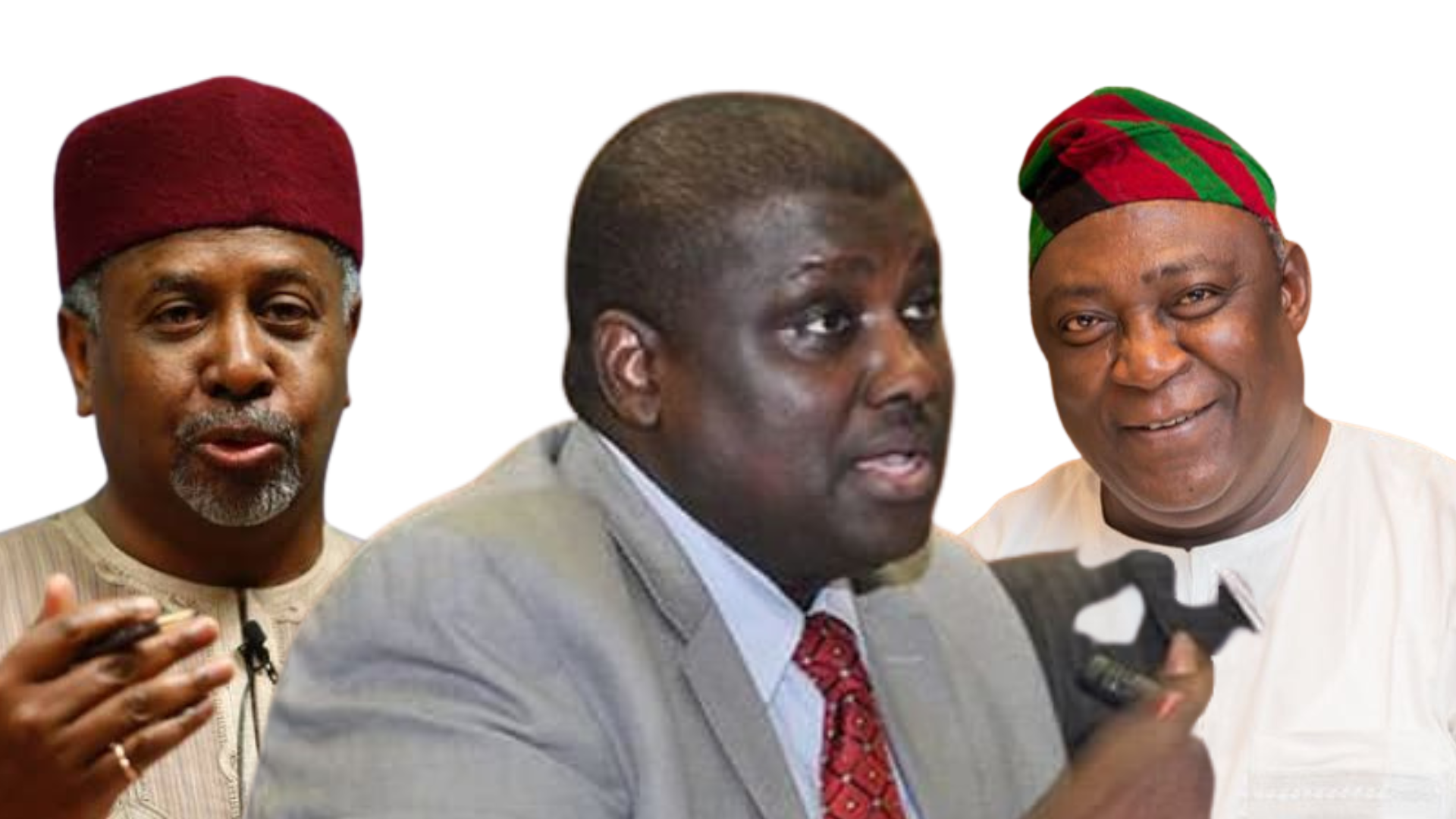
The report states that 39 of the 61 individuals investigated have faced public accusations, indictments, or sentences for corruption. Among those named are Sambo Dasuki, former National Security Adviser; Abdulrasheed Maina, former chairman of the Presidential Task Force on Pension Reforms; and Orji Kalu, former governor of Abia State and current senator.
Others include Chimaroke Nnamani, former governor of Enugu State; the late Ajibola Ajimobi, former governor of Oyo State; Stella Oduah, former minister of Aviation; and Dibu Ojerinde, former registrar of the Joint Admissions and Matriculation Board (JAMB).
Also mentioned are the late Alex Badeh, former chief of defence staff; Abdulrahman Dambazau, former minister of Interior; Chris Ngige, former governor of Anambra State and later minister of Labour and Employment; Willie Obiano, former governor of Anambra State; and Ronald Ewubare, former chief operating officer of the Nigerian National Petroleum Corporation (NNPC).
The individuals investigated were linked to 232 properties valued at approximately $238 million. Of these, 195 properties, worth about $208 million, were acquired without clear financing while the officials were still in office.
The investigation found that 94 properties, valued at around $135 million, were bought without a clear source of financing while the officials held office. The report also mentioned that 79 properties worth about $73 million are still linked to 27 individuals publicly accused of corruption.
It noted that these properties could be used for asset recovery if authorities prove they were bought with money from corruption or are otherwise subject to forfeiture laws. The report stressed that the timing and method of the acquisitions are significant.
"In many cases, substantial real estate was bought while officials were in public office, at the moment when their access to state resources was highest," the report stated.
Most of the other individuals investigated are connected to institutions with a known history of corruption since Nigeria returned to civilian government in 1999. Some of them were also mentioned in the Pandora Papers and other investigations into questionable purchases in the United Arab Emirates.
The investigation found that 230 properties, worth around $232 million, were bought without clear financing. The report said overseas property purchases can let politically exposed persons (PEPs) turn illegal earnings into real assets. Using companies, trusts, and middlemen can make it harder to prove ownership.
The report highlighted that the trend of hiding ownership has grown over the last 20 years, particularly among PEPs facing legal issues. It also pointed out that some professionals involved in property deals failed to check identity documents or accepted deals made in the names of deceased individuals, raising concerns about safeguards in the US property market.
PPLAAF said the investigation found many more suspicious assets needing further examination by the right authorities, which could lead to recovery or seizure actions. PPLAAF Executive Director, Jimmy Kande, said the findings show how public wealth can move from Nigerian institutions exposed to corruption into foreign properties.
"These findings reveal the failures of individual officials and the gaps that let stolen public wealth cross borders and settle in foreign real estate," Mr Kande said. "The purchases, transfers, and sales we document here could be international money laundering and must be investigated. Nigerian and American authorities should work together to ensure these assets return to the people they belong to."
Mr Kande also mentioned PPLAAF's partnership with PREMIUM TIMES. PPLAAF has previously published six investigations on similar issues with several media outlets, including The Washington Post and the Organised Crime and Corruption Reporting Project (OCCRP).
In a related report, PREMIUM TIMES detailed how former NSA Sambo Dasuki approved billions in payments during his time under former President Goodluck Jonathan. The investigation traced funds from the NSA's office to individuals and companies close to Mr Dasuki, raising questions about how the payments were approved and who benefited from them.
In another case, PREMIUM TIMES, OCCRP, and PPLAAF found that Abdulrasheed Maina bought four properties in the US and Dubai worth over $1.3 million between 2010 and 2013 while he was in government. He later faced accusations of misappropriating pension funds. Property records show that Mr Maina cashed out for three homes in Kentucky, including a $215,000 house bought in August 2010.
He also used a company he controlled to buy two others for $415,000 in 2011. In 2013, he bought a two-bedroom apartment in Dubai for almost $700,000, now registered in his daughter's name. These purchases happened during the period when the EFCC alleged that he and his associates diverted millions from the pension scheme.
The investigation found that Mr Maina transferred ownership of some US properties through corporate structures. His former wife, Laila Maina, got the $215,000 Kentucky property in their 2022 divorce settlement, months after he was convicted of laundering N2 billion in pension funds.
The EFCC, which prosecuted Mr Maina, did not seize or mention the US properties during the case, but its spokesperson said the agency could look into them if it got information linking the assets to illegal proceeds. Mr Maina was sentenced to eight years in 2021 and released in February 2025 for good behavior. The investigation found that Nigerian courts later ordered the forfeiture of 23 properties linked to Mr Maina in Nigeria, while the Kentucky properties and the Dubai apartment remained with his former wife and children.
The report looked at officials in six areas: security, executive, legislature, state government, other public officials, and state-owned enterprises. Security, executive, and legislative officials were linked to properties worth $222 million, which is 82 percent of the total value found in the investigation.
The investigation reviewed about 100 cases involving public officials, their close family, and associates linked to US properties. PPLAAF said the selection was based on initial signs, like the surname of a PEP, a family member's name, or a company directly tied to the family.
PPLAAF worked with ACDC to find US real estate assets linked to current and former high-ranking Nigerian officials, their relatives, close associates, and affiliated legal entities. ACDC made a database of US real estate data, including official property records and corporate ownership listings.
PPLAAF and ACDC also listed relevant individuals and legal entities, including limited liability companies registered across different areas, using Nigerian government records and publicly available information on indictments and corruption cases.
The investigators checked annual editions of major Nigerian corruption cases published by the Human and Environmental Development Agenda (HEDA) Resources Centre as one of their main guides. ACDC then cross-checked the names against property databases. PPLAAF reviewed the findings and used open-source research to find more leads.
For each property, PPLAAF got documents from the official property registries of the relevant US county or state. The investigators stated that each property was checked separately to avoid assumptions. At least two independent links were needed before including a property.
These links included personal details like dates of birth and addresses, and matching signatures on deeds and registries. When properties were held through middlemen, the investigators looked at corporate records, family ties, and open-source information, including social media profiles and travel history.
They also considered both incriminating and innocent evidence and used a structured risk assessment to minimize wrongly linking properties to people. The assessment looked at how common a name is in a certain area and regional naming customs.
The report valued the properties using appraised prices from 2025 instead of historical purchase prices. This allowed investigators to apply a standard valuation method across the properties.
The report urged Nigerian and US authorities to look into the identified assets and transactions, check their funding sources, and improve cooperation between financial-crime and law enforcement agencies. It also called for legal steps to prevent asset loss during judicial processes and to create ways to recover and repatriate assets proven to be bought with stolen public funds.
At the launch, PREMIUM TIMES’ Head of Investigations, Kabir Yusuf, called the report an important step towards accountability, saying its value goes beyond just the properties mentioned. "This report is an important contribution to accountability. But beyond the numbers, what makes this work significant is the intelligence it provides," Mr Yusuf said.
He added that the investigation showed how property records, corporate listings, official documents, and open-source intelligence could be combined to trace assets across borders. Mr Yusuf also highlighted the growth of PREMIUM TIMES’ partnership with PPLAAF over the last three years.
Drop your comment
No comments yet — be the first to drop the gist 👇