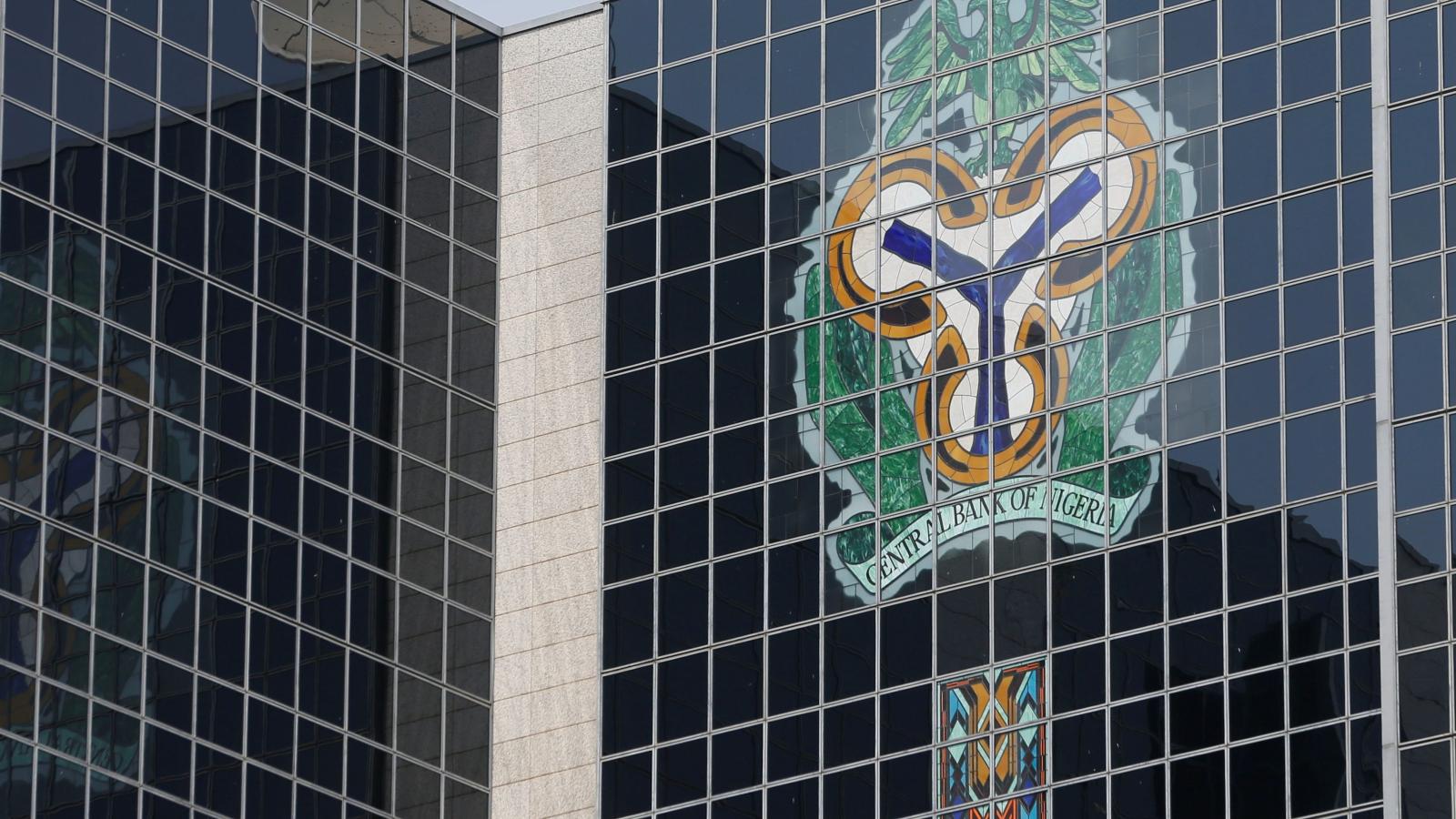
The Central Bank of Nigeria (CBN) thinks Nigeria’s inflation rate will drop more in the short to medium term. But it also warned that ongoing tensions in the Middle East and spending related to elections may increase prices in Nigeria.
This information came from the 307th meeting of the Monetary Policy Committee (MPC). They pointed out that headline inflation, food inflation, and core inflation have all been going down.
The bank said Nigeria’s inflation rate is likely to continue decreasing in the short to medium term. This is because of better food supply during the harvest season, stability in foreign exchange, and the delayed effects of past monetary tightening.
Headline inflation fell to 15.39 percent in August 2026 from 15.43 percent in July. Food inflation also decreased to 19.57 percent from 20.31 percent during the same period.
Core inflation dropped to 13.92 percent in August from 14.97 percent in July. CBN said this drop in inflation shows the effects of earlier monetary policy tightening, steady exchange-rate stability, and improved inflation expectations.
The bank also noted that better food supply could help continue this trend of lower inflation. "Inflation is expected to decline further in the short to medium term. This is thanks to stability in the foreign exchange market, the lagged impact of earlier monetary policy tightening, and expectations of better food supply as the harvest season continues," CBN Governor Olayemi Cardoso said after the MPC meeting.
CBN mentioned that while the outlook for Nigeria's economy is good, both external and domestic risks could affect the drop in inflation. "Overall, the outlook for the domestic economy remains positive, but prolonged geopolitical tensions in the Middle East and election-related spending could bring risks to prices," the bank stated.
The conflict between the United States and Israel with Iran, which started in February, is ongoing. Recently, U.S. and Israeli attacks on Iran were followed by Iranian retaliatory actions. This conflict is also impacting energy supplies and security in the region.
Fighting has also increased between Saudi Arabia and Yemen's Houthis, with both sides exchanging attacks. This tension could affect the steady flow of oil in the region, which might lead to higher global oil prices.
Nigeria is set to hold its general election in early 2027. This comes at a time of heightened interest and election-related spending.
CBN warned that global inflation risks remain high because of ongoing supply chain issues, high crude oil prices, and increasing trade fragmentation. The bank said these pressures, along with the chance of renewed geopolitical tensions, could delay the global normalization of monetary policy.
This warning comes as Nigeria’s economy keeps growing. Real GDP growth reached 4.43 percent in the second quarter of 2026, up from 3.89 percent in the first quarter.
The non-oil sector grew by 4.31 percent, while the oil sector grew by 7.31 percent in the second quarter. CBN expects domestic output growth to stay strong for the rest of 2026, thanks to better crude oil production, agriculture, and other business activities.

Drop your comment
No comments yet — be the first to drop the gist 👇