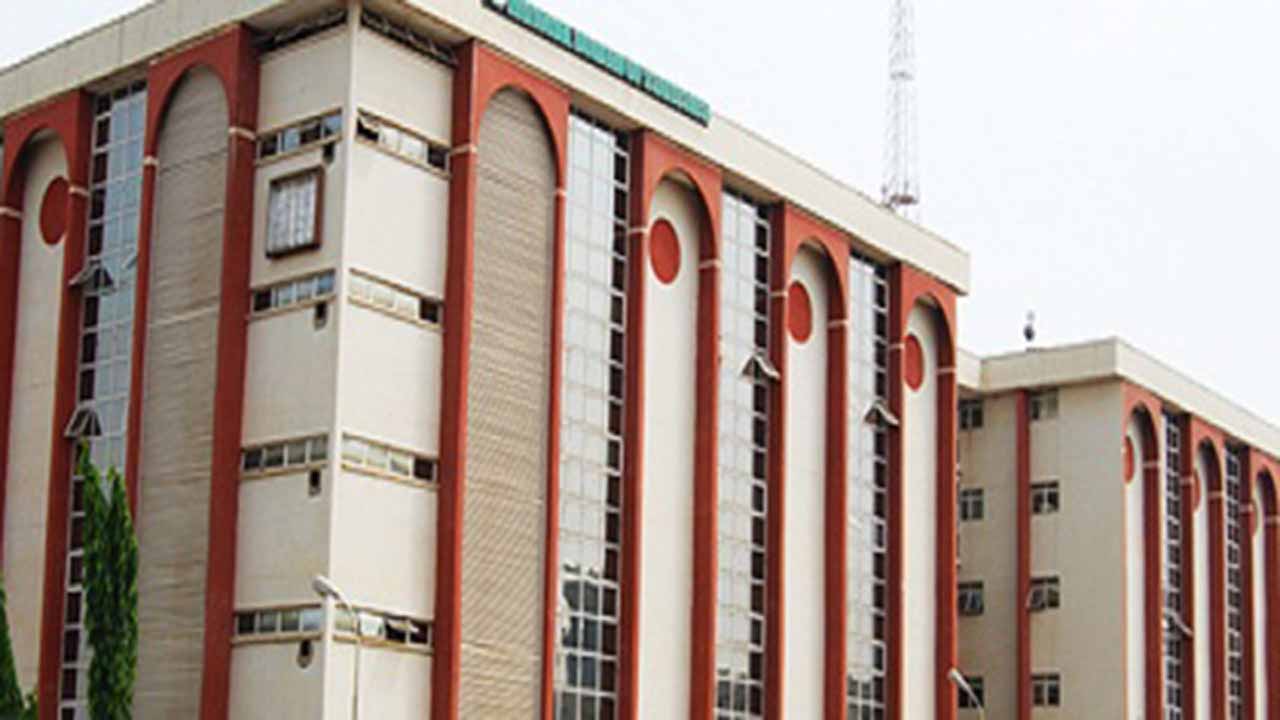
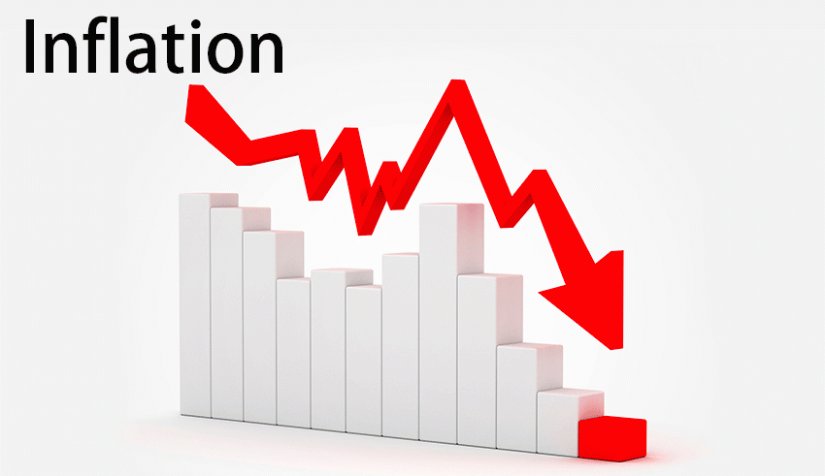
Nigeria’s inflation rate rose to 15.93 percent in May 2026. This marks an increase from the 15.69 percent seen in April. The rise shows that prices of goods and services are still going up, even though the monthly rate of inflation is slowing down.
The Consumer Price Index (CPI) report from the National Bureau of Statistics (NBS) was released on Monday. It showed that the May inflation rate is 0.24 percentage points higher than last month.
On a month-to-month basis, inflation slowed to 1.75 percent in May. This is down from the 2.13 percent recorded in April. The NBS noted that while prices are increasing, the rate of increase has lessened compared to last month.
“On a year-on-year basis, the Headline inflation rate rose to 15.93%, up from 15.69% in April 2026,” the bureau said. This is the third straight month that headline inflation has risen this year.
Food Prices Rising
Food prices, a major part of household spending, also went up in May. According to the NBS, food inflation rose to 16.96 percent in May from 16.68 percent in April.
The rise comes from changes in prices of key staple foods eaten across the country. Fresh onions, maize grains, melon (egusi), water yams, cassava flour, crayfish, fresh pepper, tomatoes, wheat grains, cassava tubers, yam tubers, sweet potatoes, ginger, plantain, and cowpea all contributed to the increase.
Despite this yearly rise, the monthly food inflation rate dropped to 2.98 percent from 3.63 percent in April. This suggests food prices are rising at a slower pace this month.
There are big differences in food inflation rates from state to state. Adamawa had the highest food inflation at 29.62 percent. Kwara followed with 28.47 percent and Rivers with 28.40 percent.
Borno had the lowest food inflation at -6.53 percent. Taraba and Bayelsa had rates of 1.13 percent and 5.99 percent, respectively. On a month-to-month basis, Bauchi saw the highest food inflation at 7.73 percent, followed by Ogun at 6.86 percent and Jigawa at 6.69 percent.
In contrast, Niger had the slowest increase at 3.54 percent. Katsina and Gombe saw negative food inflation rates of 3.48 percent and 2.22 percent, respectively.
These latest inflation numbers come as many families continue to struggle with high living costs. Food remains the biggest part of what Nigerians spend, making changes in food prices an important sign of household well-being.

Drop your comment
No comments yet — be the first to drop the gist 👇