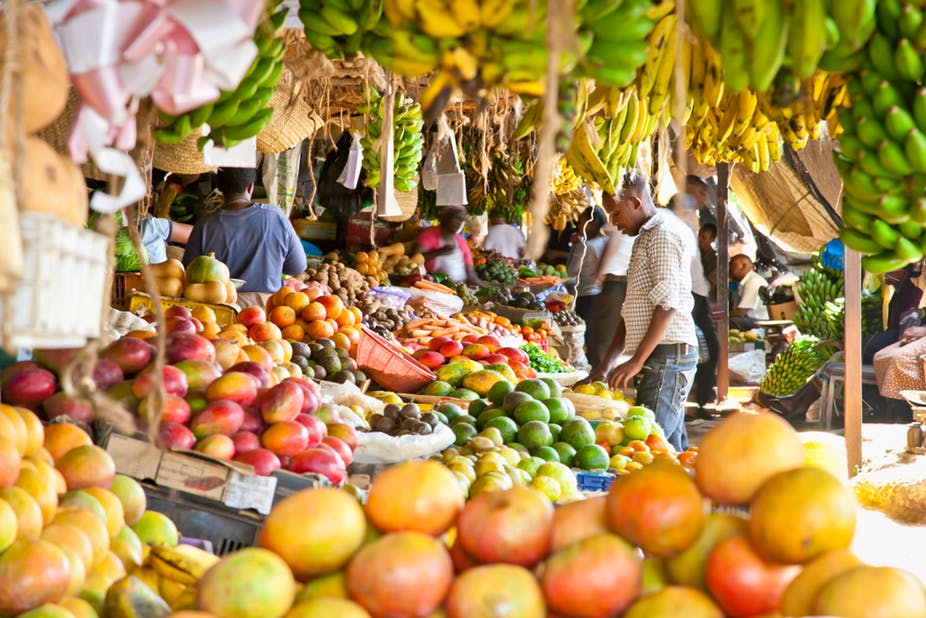
Rising food prices might soon outpace energy costs as the main cause of inflation in emerging markets. African economies are expected to suffer the most, according to a new report by S&P Global Ratings.
"Food prices are likely to start heading higher in the coming months," the ratings agency said in the report published on Wednesday. They pointed out that rising fertiliser prices are a major issue due to supply problems. The report also mentioned that it usually takes time for increased fertiliser costs to affect food prices.
This warning comes as there are growing concerns about disruptions to global energy and commodity supply chains. These disruptions are linked to rising tensions in the Middle East, especially around the Strait of Hormuz, which is a key route for global oil and fertiliser shipments.
S&P Global said food prices might rise sharply in the coming months. Higher fertiliser and transport costs will pressure global supply chains even more.
Shift from Fuel to Food Inflation
S&P Global's analysis shows that inflation in emerging markets has been increasing again after it eased from the high levels seen after the pandemic.
The agency noted that many governments have tried to help consumers by cutting taxes and providing subsidies to manage rising fuel costs. But they warned that the financial burden of these measures is growing.
The report highlighted that the effects are already noticeable. Higher fuel prices lead to increased transport costs. At the same time, rising fertiliser prices often increase production costs for farmers. These factors usually lead to higher food prices after some months.
Africa Faces Greater Risks
S&P Global identified African economies as particularly at risk. Households in Africa spend a larger portion of their income on food and drinks compared to those in other regions.
Data from the agency shows that food and drink costs make up over 40 percent of household spending in many African nations.
Madagascar has the highest rate, with food accounting for over 60 percent of consumer spending. This is followed by Ethiopia, Guinea, Senegal, and Mozambique. Nigeria also has a high rate, with food making up over 40 percent of household spending.
The agency noted that many African countries import most of their food, making them very vulnerable to global price changes.
The report stated that food inflation was the biggest single factor driving overall inflation in many African and frontier-market economies during the global energy crisis of 2022-2023.
Nigeria's Energy Inflation Surges

Among key emerging-market economies in Europe, the Middle East, and Africa (EMEA), S&P Global noticed that energy inflation has increased rapidly in recent months.
Nigeria saw one of the steepest rises, with energy inflation estimated at about 20 percent between March and April. This is much higher than food inflation during the same time.
The agency called this development remarkable, especially since Nigeria is a major crude oil producer. This is despite the start of operations at the Dangote Petroleum Refinery.
The higher energy inflation reflects Nigeria's ongoing reliance on imported crude oil and the lasting effects of removing fuel subsidies.
Among the countries analyzed, Nigeria and Turkey had the largest increases in energy prices, while South Africa's increases were more modest.
Food Inflation May Rise Later
Even though energy prices are currently rising faster than food prices, S&P Global warned that food inflation might pick up in the second half of 2025.
The agency stated that rising transport costs and fertiliser prices will likely increase agricultural production and distribution costs, eventually raising consumer food prices.
For African countries already dealing with high living costs, currency issues, and weak buying power, another wave of food inflation could make it even harder to stabilize prices.
Since the outbreak of the US-Israel conflict with Iran on 28 February, petrol prices in Nigeria have increased by over 25 percent in major cities. This follows global crude price trends and has worsened the cost-of-living crisis many Nigerians face since fuel subsidies were removed in 2023.
Consumers are already feeling the impact of the supply shocks caused by the conflict. Transportation costs and prices of key food staples are quickly rising.
Data from Global Petrol Prices shows that Nigeria's petrol price averaged N1,248 per litre ($0.92) as of 8 June. This is much lower than the global average of N2,058 per litre during the same period.
Analysts are hopeful that rising oil prices could significantly increase Nigeria's revenue as a main crude oil exporter. Higher prices could also improve the country’s foreign reserves and help with fiscal management.
Long-term disruptions to oil and fertiliser supplies may worsen inflation worldwide, especially in developing countries that heavily rely on imports. According to economists, how much Nigeria and other African nations are affected will depend on how long these supply issues last and how much higher global commodity prices affect local markets.




Drop your comment
No comments yet — be the first to drop the gist 👇