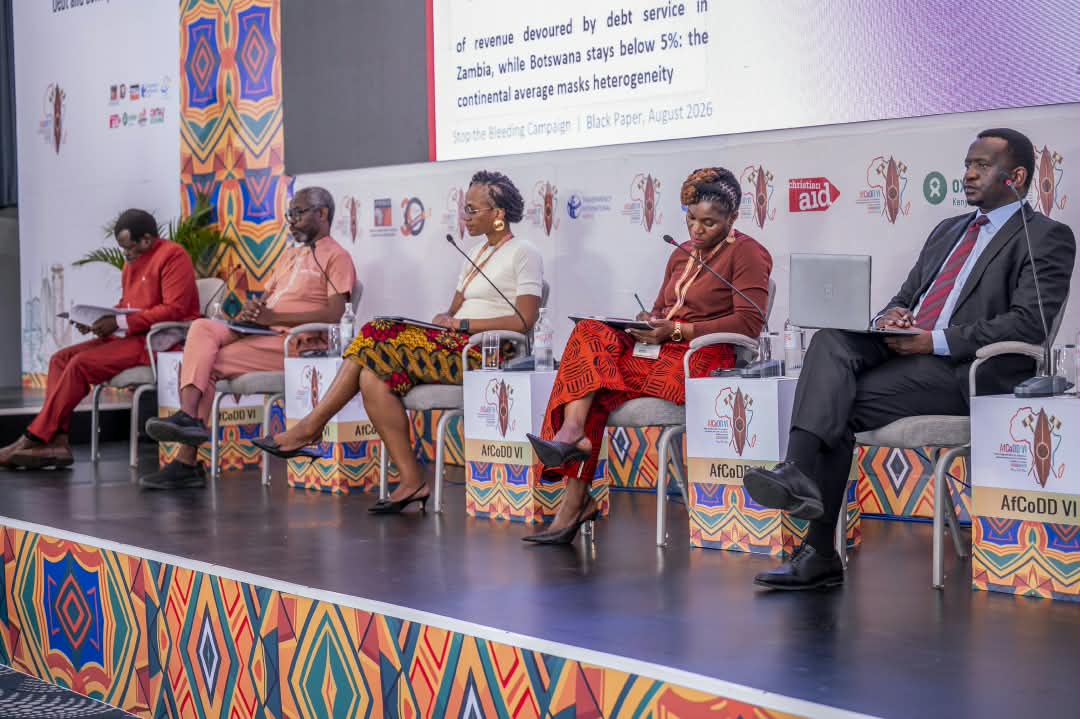
Africa should use its natural resources, market size, and technology to gain a stronger voice in the global financial system. This was the message from experts at the sixth African Conference on Debt and Development (AfCoDD VI) held in Nairobi, Kenya.
The event was put together by the African Forum and Network on Debt and Development (AFRODAD).
Experts pointed out that Africa’s debt problem goes beyond how much governments borrow or repay. They explained that issues like money lost through illegal financial flows, low returns from natural resources, and lack of information make negotiations harder for African countries.
This discussion comes after African Union leaders agreed on the Common African Position on Debt. This position aims to give Africa a stronger voice in debt talks and push for changes in the global financial system.
At the event in Nairobi, debt experts, policymakers, civil society groups, and tech specialists looked into what holds Africa back from negotiating better deals.
During a session called “Deploying the Continent’s Strategic Assets to Rewrite the Rules of International Debt Governance,” the Stop the Bleeding Campaign released its Black Paper. This paper connects Africa’s debt issues to natural resource extraction, illegal financial flows, and high debt servicing costs.
Jean Marcelin Brou, a professor, presented the paper. He emphasized that Africa must shift from being a rule-taker to a rule-maker in the international financial arena.
The paper describes a “triple drain”: extracting natural resources without fair returns, illegal financial flows that harm public income, and debt payments that take away money needed for development.
According to the report, African governments spend about 16.7 percent of their revenue on debt servicing. More than 30 African countries spend more on servicing debt than on healthcare.
The paper also cites research from Léonce Ndikumana and James Boyce. They estimate that around $2.4 trillion left Africa between 1970 and 2018, including interest payments.
The campaign calls on governments to review and renegotiate extraction contracts, boost tax systems, and give local communities affected by mining more power.
It also suggests using income from resources to support local manufacturing and agriculture. This includes industries that make machinery, fertilizers, and other items that African countries currently import.
Chenai Mukumba, executive director of Tax Justice Network Africa, said that illegal financial flows, debt, and exploitation of resources should be seen as linked issues.
She added that the talks for a United Nations Framework Convention on International Tax Cooperation present a chance for African nations to influence international tax rules.
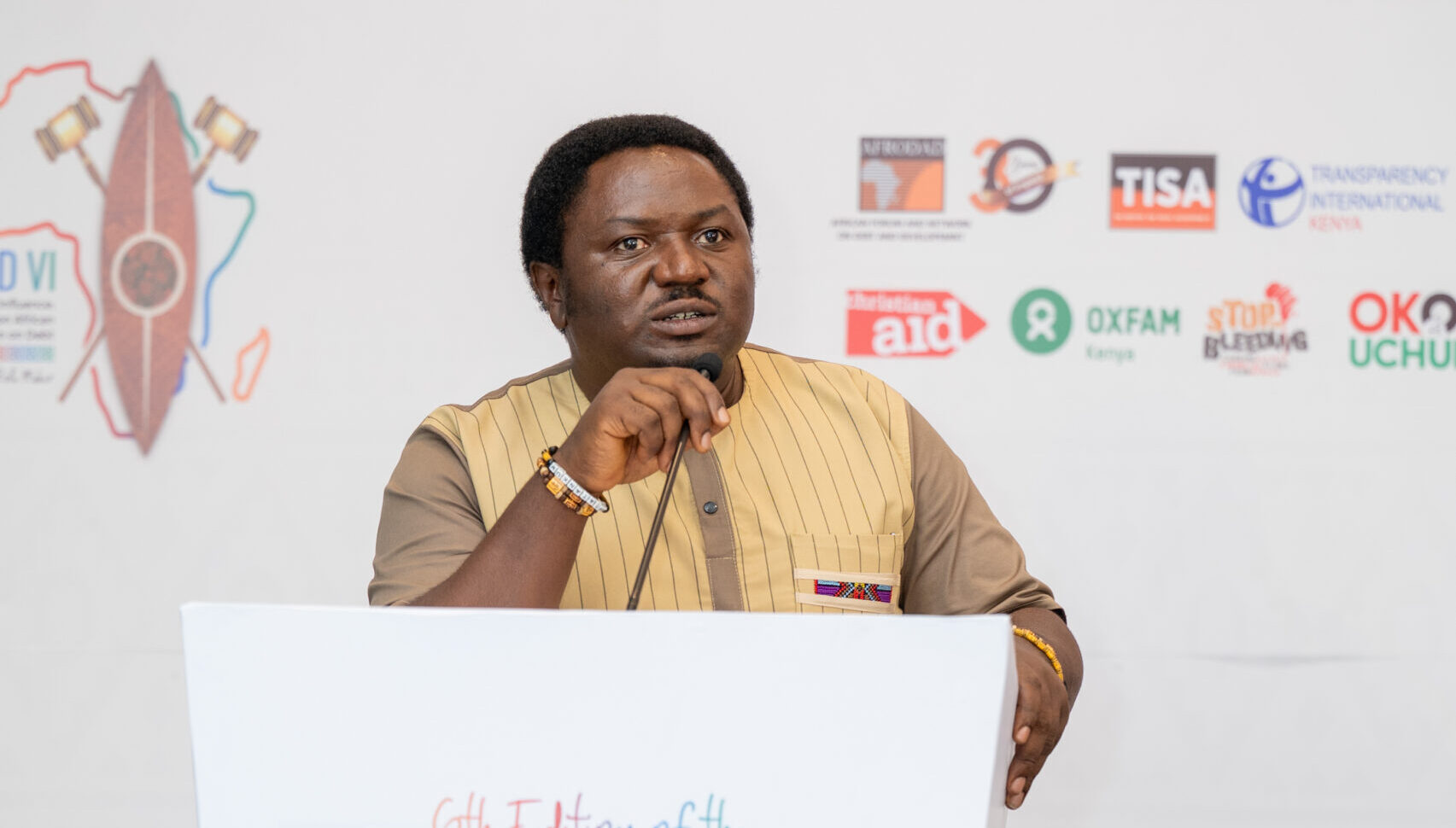
Kenyan senator Okoiti Omtatah launched the Black Paper and stressed the need for collective action due to Africa’s large financial losses.
Referring to the paper’s $2.4 trillion figure, Mr Omtatah explained that Africa's resources leave the continent and return as loans with interest.
He mentioned that Kenya’s debt burden competes with spending on schools, hospitals, and infrastructure.
“These are not separate problems,” he said, highlighting a cycle where lost income leads to budget shortfalls, prompting governments to borrow more, which in turn raises debt repayments.
The Black Paper calls for reclaiming resource rights, stopping illegal financial flows through tax justice, promoting debt justice, and recognizing gender justice.
It also supports a UN mechanism for sovereign debt resolutions, greater use of local currency financing, currency swaps, stronger African-led credit assessment bodies, and an African debtors’ club.
The discussion also touched on the social costs of debt and austerity measures.
Memory Kachambwa, executive director of the African Women’s Development and Communication Network (FEMNET), highlighted that debt and austerity do not affect everyone equally.
“When public services are cut, women take on more unpaid labor,” she explained.
Ms Kachambwa noted that women often bear the brunt of economic crises, taking on extra unpaid care work when governments spend less on healthcare, education, and other public services.
Janet Zhou, executive director of AFRODAD, remarked that Africa’s debt crisis should not be seen only through the lens of individual government decisions.
She stated that African nations still rely on foreign institutions and creditors. They need stronger continental bodies and mechanisms for collective action.
Patrick Olomo from the African Union Commission said that acting on the Common African Position on Debt will require governments to address illegal financial flows, weak tax systems, losses from natural resources, and high debt service costs.
He mentioned that the AU Commission will keep collaborating with civil society on debt, tax reforms, and illegal financial flows.
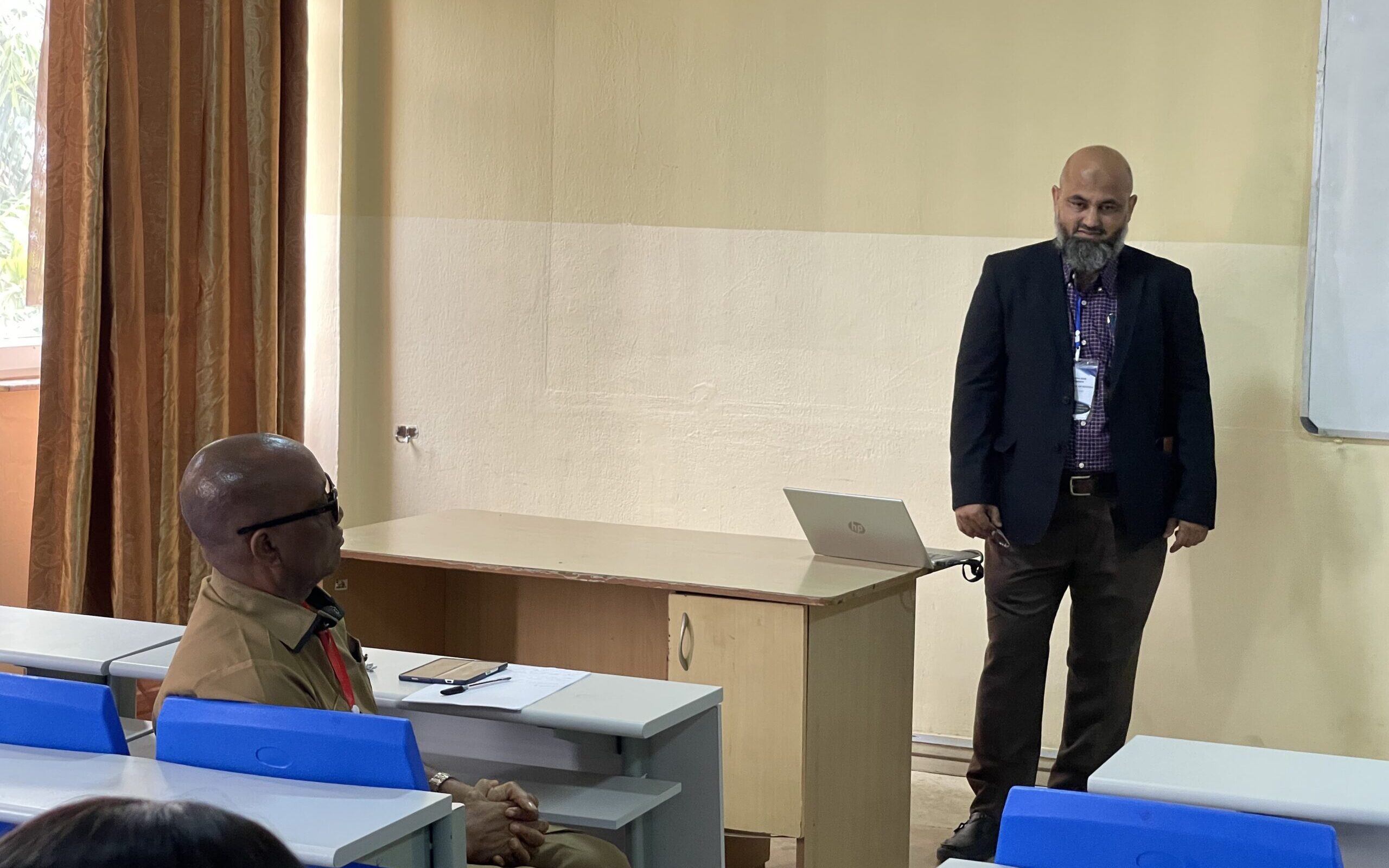
Speakers pointed out that Africa’s resources won’t automatically translate into negotiating power without reliable information and technology.
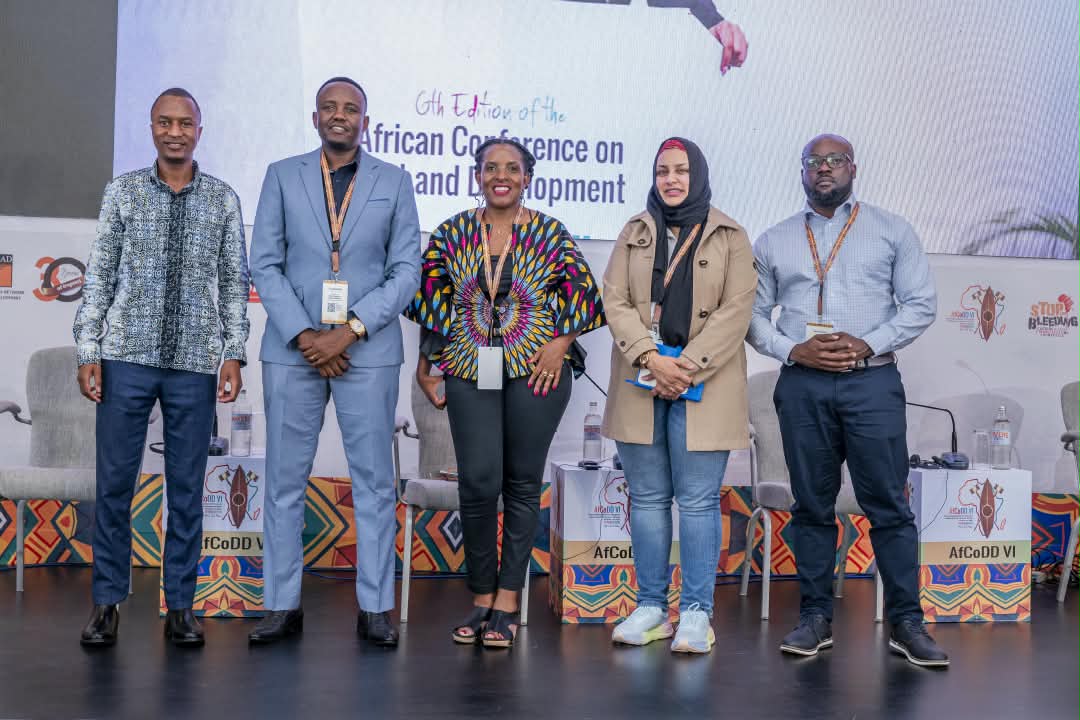
This concern came up in another AfCoDD VI panel, where experts discussed how artificial intelligence and data could help with debt management and negotiations.
Michael Mollel, co-founder and CEO of Sartify Company Limited/PAWA-AI, said Africa's issue is not a lack of data, but its disorganization and lack of ownership.
“We still need to have ownership of our data,” he emphasized.
Mr Mollel added that African governments should create shared digital systems that bring together economic and debt information from the continent.
Such systems could help governments understand the long-term effects of borrowing before they sign loan agreements.
“If we take this loan after 20 years, what would be my current status?” he asked.
Lyla Latif, a faculty member at the University of Nairobi School of Law, noted that the information gap between African governments and creditors is a barrier to achieving debt justice.
She explained that creditors often have access to detailed economic data, while debt management offices may struggle to get a full view of their countries’ obligations.
This can include government guarantees, arrears, and natural resources used as collateral.
Ms Latif said that AI could help combine information from international debt data, banking records, export credit agencies, and commercial credit registries.
These systems could help identify hidden debts and clarify which liabilities have been secured.
But she warned that relying on foreign tech firms could create vulnerabilities if sensitive financial and government data are stored outside African control.
“If we’re not careful about the risks, it means we lose that autonomy,” she cautioned.
Ms Latif also warned that AI could repeat biases present in the data it learns from, reinforcing the view of African countries as perpetual borrowers needing protection.
Lavina Ramkissoon, African Union ambassador and co-chair of the Council on the Fourth Industrial Revolution, said Africa needs to build the infrastructure for developing and hosting its own AI systems.
She pointed out that energy, computing facilities, data centers, and laws are essential for this.
Ms Ramkissoon mentioned that Africa currently has less than one percent of the world's computing capacity. She stressed the need to improve electricity supply as the continent expands its digital infrastructure.
She added that developing semiconductor production could help African nations join the AI value chain instead of just relying on foreign technology.
Grace Githaiga, CEO of Kenya ICT Action Network (KICTANet), noted that foreign institutions already use African data to evaluate the continent’s economies.
The issue, she explained, is that Africans often do not have equal access to or control over their information.
The panel also looked at how technology could make debt information clearer for citizens.
Speakers agreed that people should see how much their countries owe, who the creditors are, how debts were created, and what the borrowed funds were used for.
They also discussed using satellite imagery and other digital tools to help governments, lawmakers, and civil society track projects funded by public loans and check if they were completed.
The discussions at AfCoDD VI ultimately focused on the challenge of leverage.
Africa has resources, a large market, and growing technology. But speakers warned that these advantages mean little if countries keep losing income, negotiating separately, and lack control over the information needed to understand their debts.
For Africa, the challenge goes beyond getting better repayment terms. It is about keeping more of the continent’s wealth at home and building the strength, institutions, and information systems needed to negotiate fairly with creditors.

Drop your comment
No comments yet — be the first to drop the gist 👇