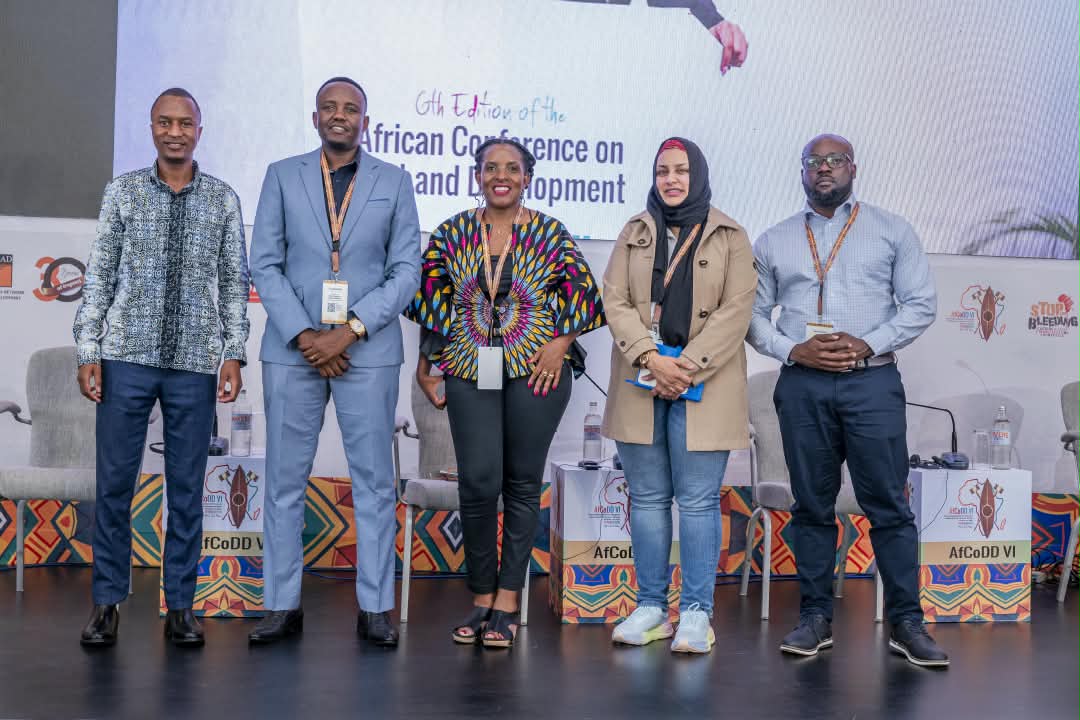
African countries need better ways to keep track of public debt. They also need stronger checks from parliament on government borrowing. This was the message from development experts on Wednesday.
They shared their thoughts at the sixth African Conference on Debt and Development (AfCoDD VI) in Nairobi, Kenya. The event was organised by the African Forum and Network on Debt and Development (AFRODAD).
Douglas Bitonda Kigabo, an officer with the United Nations Economic Commission for Africa, said governments must publish data covering not just central government debt. He said borrowing by local governments and state-owned companies should also be included.
Mr Kigabo added that government guarantees and other debts that could become public obligations should be disclosed too. He pointed out that weak laws, divided institutions, and poor checks by parliaments and civil groups make it tough to manage Africa's debt.
The World Bank said in 2025 that over 75 percent of low-income countries share some debt information. But only about a quarter share details on specific loans taken recently. The bank said not sharing complete information makes it hard to know how much debt a country truly has.
Masenate Molapo, programme manager at the SADC Parliamentary Forum, said parliament must do more to check government borrowing. "There has to be accountability. There has to be statistics. There has to be questions asked. Where is the money going? How is the money going to be used?" she said.
She mentioned that the SADC Parliamentary Forum is working with civil society on a model law for public financial management. This aims to strengthen parliamentary checks on government borrowing and spending.
Grieve Chelwa, a professor and Chair of the Department of Social Sciences, said many lawmakers do not have the skills to understand complicated loan agreements. He noted that governments sometimes present borrowing plans to lawmakers after they are already in the national budget, making it tough for parliament to reject them.
"We need to increase capacity among legislators on assessing what a good deal looks like from a bad deal," Mr Chelwa said. He also suggested citizens should have more say in borrowing decisions because they will pay for the debt.
Paul Sikazwe, a technical adviser on debt at the African Union Commission, said about 21 African countries are at high risk of debt distress or are already in it. He mentioned that the continent is facing an immediate funding shortfall of about $21 billion. It will also need around $7.5 billion each year over the next ten years to refinance maturing debt.
The African Union estimates that Africa needs about $1.3 trillion in extra financing every year to meet the Sustainable Development Goals by 2030. Nigeria's figures show the pressure on individual countries.
The Debt Management Office reported that Nigeria's total public debt was N159.35 trillion as of 31 March 2026. This includes $51.90 billion in external debt and N63.05 trillion in domestic debt. The naira value for servicing foreign-currency debt can increase when the local currency weakens, adding pressure on government finances.
The discussions come as African governments start working on implementing the Common African Position on Debt. This plan was adopted by African leaders in February. It has proposals for an African Debt Monitoring Mechanism, a Borrowers’ Club, and a unified African term sheet.
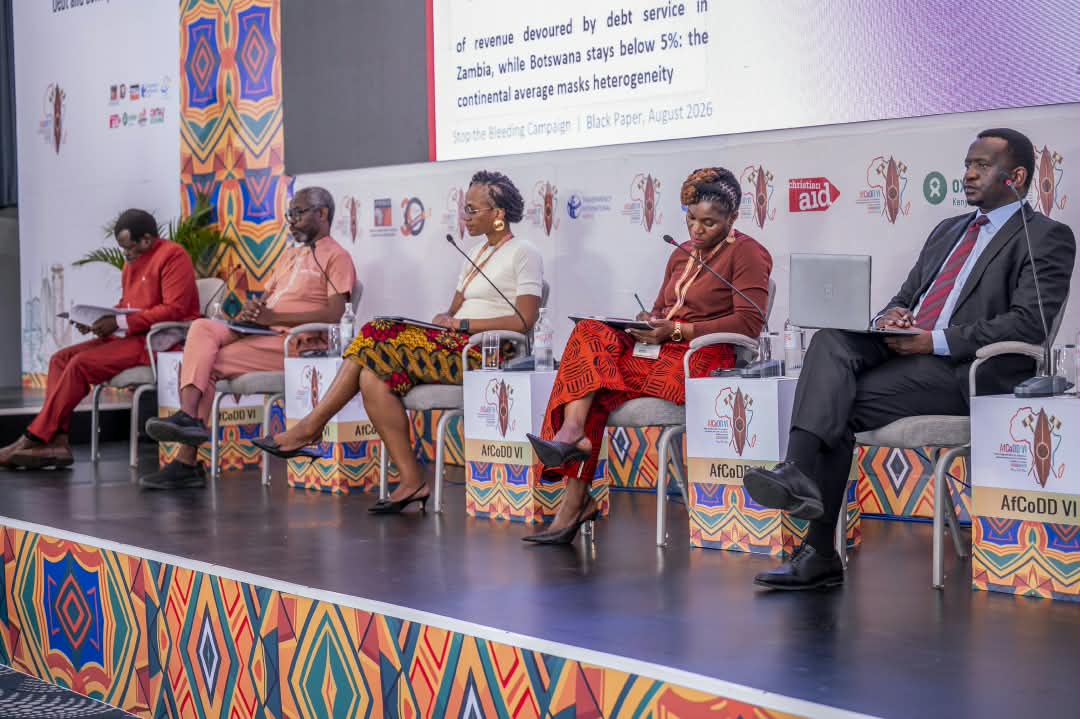
Patrick Ndzana Olomo, acting director at the AU Commission, said the plan must consider the different debt situations of each country. He pointed out that the COVID-19 pandemic revealed Africa's weak position in the international financial system.
Out of the $650 billion Special Drawing Rights allocation from the International Monetary Fund during the pandemic, Africa received less than $40 billion, Mr Olomo said. "We’ve learned a lesson as a continent that we need to have a financing mechanism of our own," he stressed.
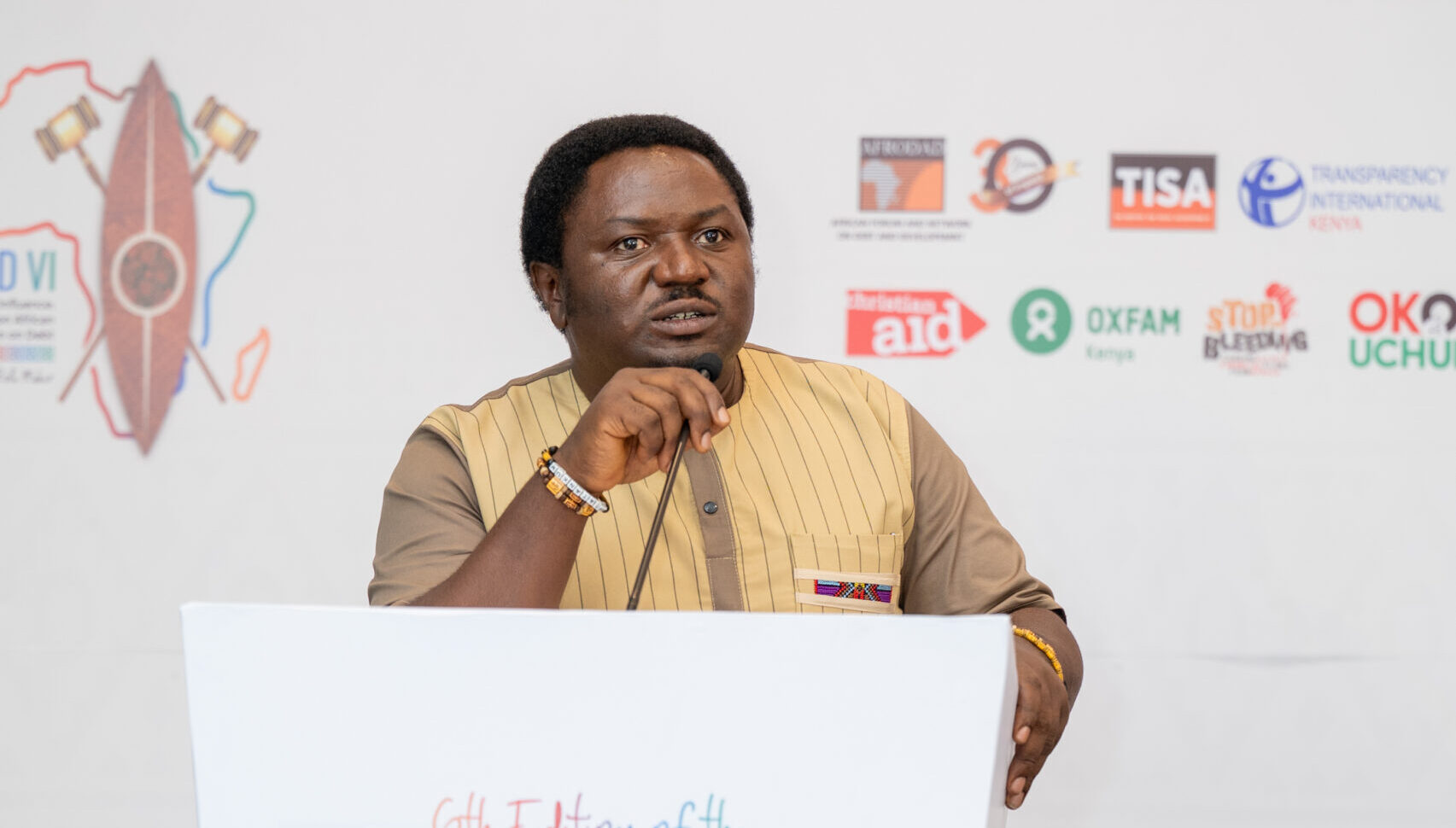
In his keynote address, Jean-Emmanuel Pondi, a professor, said African countries need institutions to support the implementation of the common position. "A position without an apparatus is a sentiment with a letterhead," he stated.
Mr Pondi suggested creating a permanent team of African debt lawyers, economists, auditors, and financial experts to help governments deal with creditors. He also called for governments to share details of new loans within 12 months, including the lender, amount borrowed, cost, and projects to be financed.
Major projects funded through borrowing should be audited independently, he added. Horman Chitonge, a professor at the Centre for African Studies, explained that Africa's debt issues are also tied to its economic structures.
He said African countries often pay more to borrow due to risk perceptions and depend heavily on exporting raw materials. "Why is it that we pay more than others for borrowing the same money?" he asked. "Africa has to learn to make things on this continent," he urged.
He called for investment in transport, energy, and digital infrastructure to help production and trade. Aissata Bah Mwansa from Zambia's Ministry of Finance warned against blaming the international financial system for all Africa's debt issues.
"We cannot argue for a fairer international system while neglecting our own reforms within our own economies and countries," she said. She pointed to low domestic savings, limited productive capacity, economic concentration, and governance issues that African governments must tackle.
Stefano Prato from the Society for International Development criticized the power of international credit-rating agencies on African borrowing costs. He supported the idea of an African Credit Rating Agency but warned that creating one would not guarantee fairer assessments.
Participants also supported efforts towards a United Nations Framework Convention on Sovereign Debt. Dube Lang Salishango from Botswana noted that African countries will continue facing debt issues if they do not change economic structures that keep them reliant on external borrowing.
"If the structure does not change, that problem will not go away," he said.
Drop your comment
No comments yet — be the first to drop the gist 👇