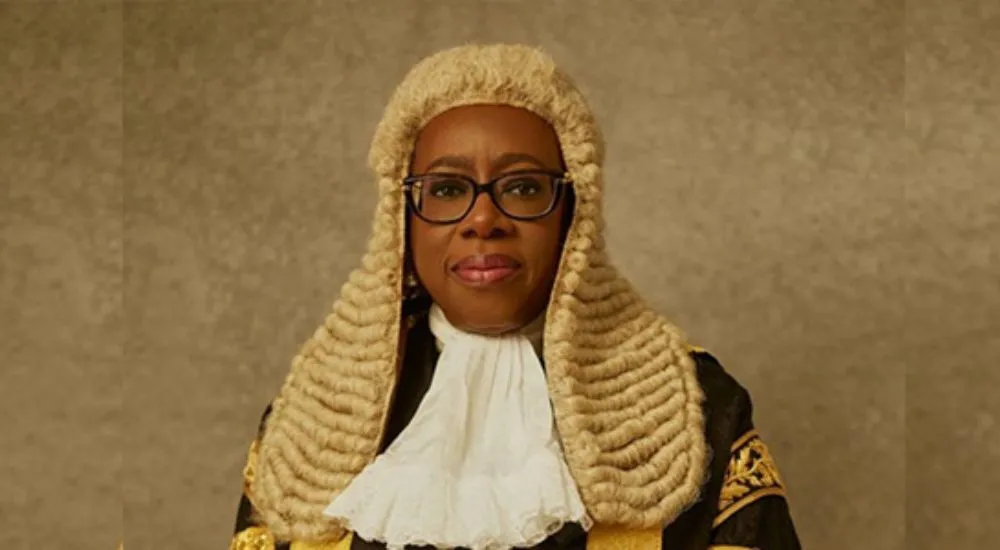
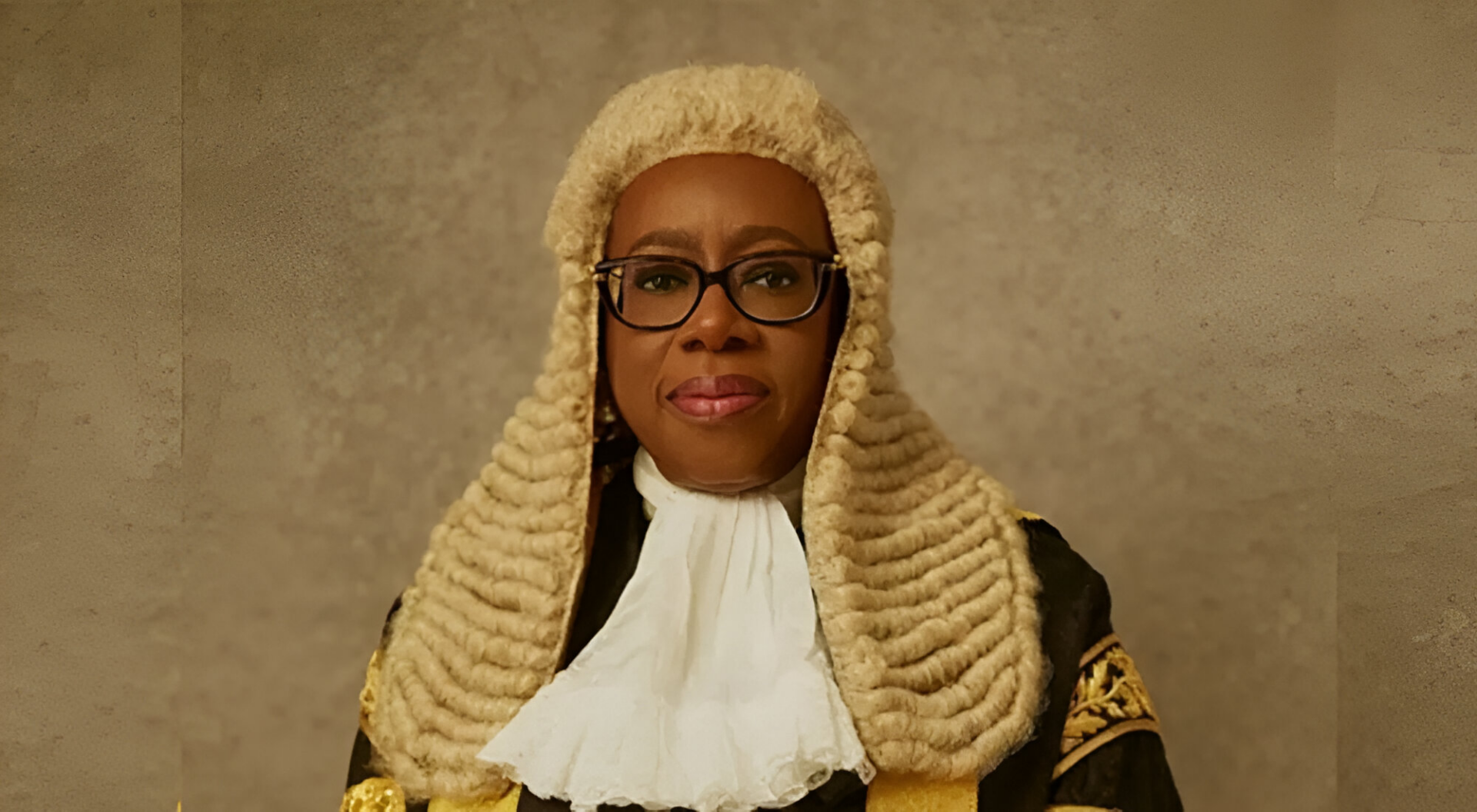
The Chief Justice of Nigeria, Justice Kudirat Kekere-Ekun, has warned judges not to get too close to political parties while handling disputes related to the upcoming 2027 general elections.
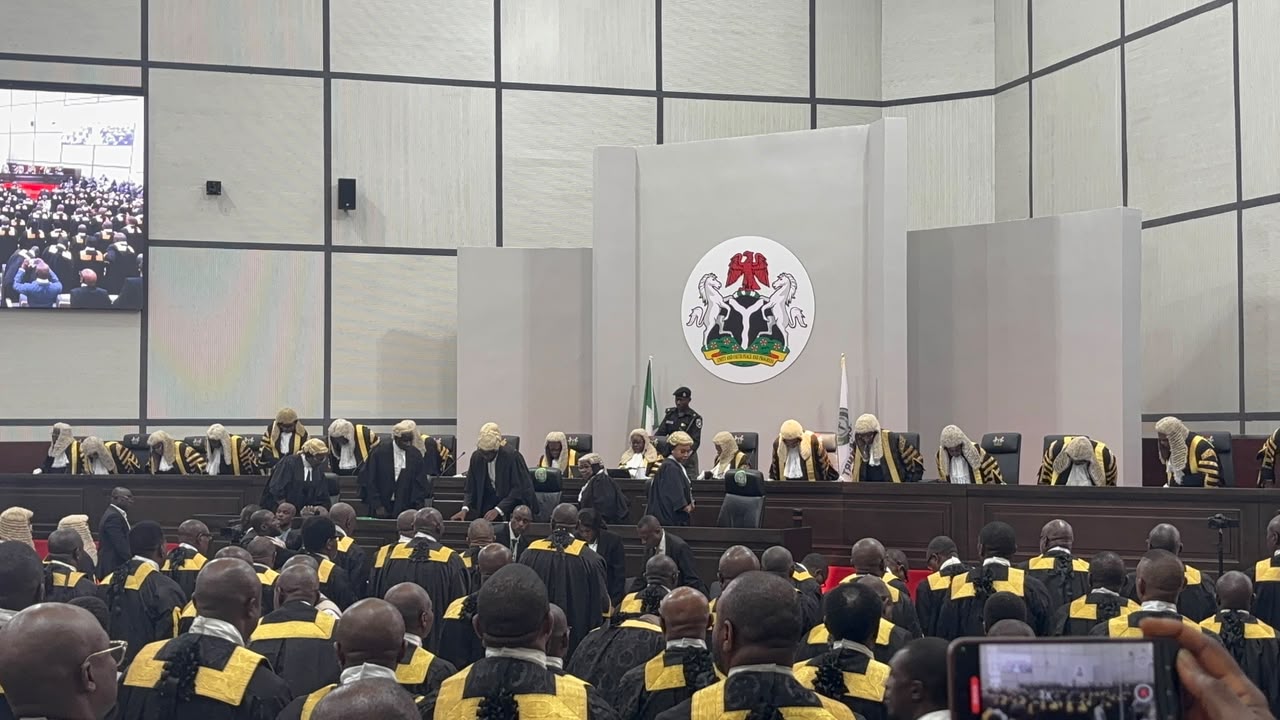
Justice Kekere-Ekun gave this warning during the opening of the 2026 legal year of the Supreme Court on Monday in Abuja.
She stressed that judges must never show any behavior that threatens their expected impartiality.
“Elections bring intense political activity and strong feelings. They also lead to disputes that can have serious effects on individuals, political parties, and the nation.
“The judiciary must handle these issues with calmness, distance, and loyalty to the law, just like it does with other disputes.
“Judicial officers must remember that everything they say and do during elections will be closely watched.”
She urged them to be careful, avoid political connections, and stay within the limits set by their oath and the constitution.
Justice Kekere-Ekun emphasized that lawyers also have a role to play in handling political and electoral disputes.
“Forum shopping, where a party picks a court thought to favor them or starts multiple cases for similar outcomes, can lead to conflicting orders. This undermines the judicial process and brings unnecessary embarrassment to the judiciary.
“It can also give the bad impression that parties are not seeking justice but rather a specific result from a certain court.
“It is not good for our judicial system if political cases delay other important cases that need timely attention,” she said.
She added that lawyers must use their professional judgment before starting new cases, especially if similar cases are active in another court.
“Lawyers must be honest about related cases and respect the jurisdiction of other courts.
“Lawyers have a duty that goes beyond getting quick wins for clients; they must also protect the integrity and smooth running of the judicial process.”
The CJN also called for better protection of the processes for appointing judges in Nigeria.
She noted that appointing judges is a key duty of the National Judicial Council and the Federal Judicial Service Commission.
“A judge is not just in a position; they hold the power of the Constitution and the public's trust.
“For this reason, the process of selecting judges must earn public trust.”


She highlighted that recent appointments have aimed to enhance the evaluation of candidates through structured assessments, professional feedback, and background checks.
“Moreover, shortlisted candidates should have a chance for the public to give feedback on their integrity and professional reputation.
“This process must be safe from misuse. It should not turn into a public trial or a way to settle personal scores.
“We must resist the culture of using social media to turn professional disagreements into personal attacks.”
The CJN stressed that justice should not be influenced by anger, intimidation, or social media trials.
“A judge must decide based on the law without fear of retaliation. A lawyer should make valid submissions without facing intimidation.
“A staff member should be able to work without harassment. Maintaining the dignity of the profession is a shared responsibility of both the Bench and the Bar.”
The CJN expressed satisfaction with the Supreme Court's performance in the last legal year despite challenges.
“My Lords, the Court's performance during the past Legal Year is heartening, but it shows that more work lies ahead.
“During the 2025/2026 Legal Year, the Supreme Court dealt with 2,456 cases, including 1,179 civil motions, 573 criminal motions, 13 Sharia-related motions, and 676 appeals.
“Of these, there were 433 civil appeals, 212 criminal appeals, 19 political appeals, 12 Sharia appeals, and 10 Originating Summons. The Court delivered 411 judgments from these cases.
“Last year, the Court managed 2,280 matters and issued 369 judgments and rulings.
“These numbers show institutional activity but do not tell the full story. A key area of focus is managing the court’s workload.
“Last year, I spoke about the need for case management strategies to tackle delays and the backlog of cases.
“I am happy to report that we have taken solid steps towards that goal.
“Between March 23 and December 27, 2026, the E-Diary Office scheduled 1,385 cases for regular court sittings, including 1,021 motions and 364 appeals.
“Importantly, 733 of these were old cases brought forward for hearing. Additionally, 178 inactive matters were resolved in chambers, while 125 completed matters were removed from the active list.


Drop your comment
No comments yet — be the first to drop the gist 👇