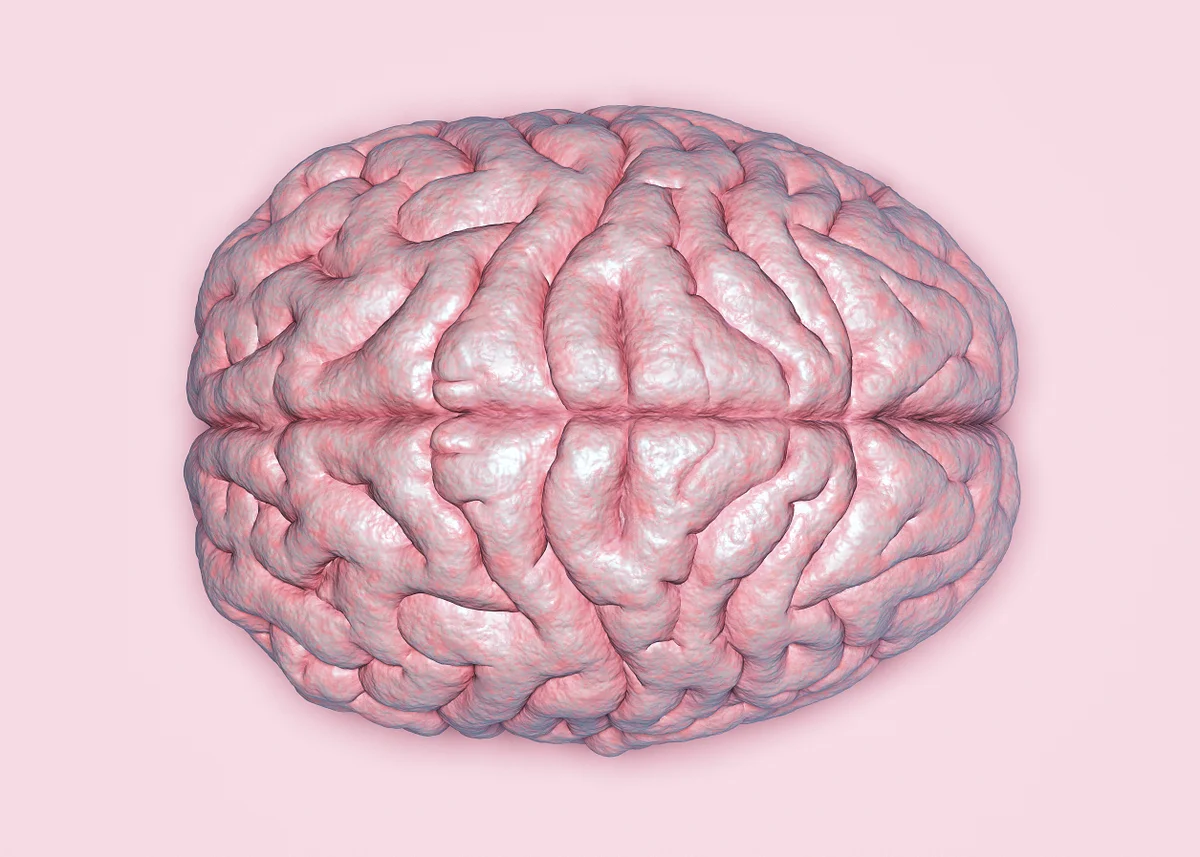
The World Health Organisation (WHO) says that up to 45 percent of dementia cases can be avoided by tackling risk factors that can be changed. This announcement came with new global guidelines aimed at helping countries deal with the rising cases of dementia.
On Wednesday, the UN health agency shared the updated recommendations. They say these guidelines offer countries ways to prevent or slow down cognitive decline and dementia throughout people's lives.
The WHO reports that over 57 million people globally are living with dementia. Each year, around 10 million new cases are diagnosed. Alzheimer’s disease is the most common type of dementia, making up about 60 to 70 percent of all cases.
Although there is no cure for dementia, the WHO points out that many cases are connected to risk factors that can be changed. These include smoking, heavy drinking, lack of exercise, air pollution, social isolation, and non-communicable diseases like hypertension, diabetes, and high cholesterol.
Tedros Ghebreyesus, the WHO Director-General, spoke about the new guidelines. He said research has improved our understanding of what causes dementia, allowing countries to take real steps to protect brain health.
"We know more today than ever before about what drives dementia risk, and these guidelines translate that knowledge into action," he stated.
Mr Ghebreyesus added that countries now have clear, evidence-based recommendations they can start using right away to safeguard people's cognitive health.
Updated Recommendations
The WHO says the revised guidelines reflect major scientific progress since they first released recommendations on dementia risk reduction in 2019.
The updated guidance combines recommendations on reducing unhealthy habits, managing health conditions, and cutting down on exposure to environmental risks linked to cognitive decline.
It suggests that adults with normal cognitive function or mild cognitive impairment should engage in cognitive training, cognitive stimulation, and regular social activities to help lower their risk of dementia.

The agency also recommends increasing physical exercise, stopping tobacco use, cutting down on alcohol, and eating a healthy diet.
The new guidance also includes reducing exposure to air pollution as a way to lower dementia risk.
The WHO further states that managing health issues like hypertension, diabetes, and high cholesterol can help reduce the risk of developing dementia. Hearing aids may also be included as part of strategies to reduce risk.
However, the guidelines warn against using vitamin B and E supplements, omega-3 fatty acids, and multivitamins for dementia prevention in people without diagnosed deficiencies. The WHO cites insufficient evidence that these products provide benefits that are worth any potential harm.
These new guidelines include the latest evidence and innovations in dementia prevention. They present a chance for countries to improve the integration of non-communicable disease, mental health, and brain health services.
Economic Burden
The WHO describes dementia as a condition that comes from diseases affecting the brain. It leads to a slow decline in memory, thinking, and the ability to perform daily tasks.
Besides its health effects, dementia impacts people’s independence, dignity, and safety. It also puts heavy emotional, physical, and financial stress on families and caregivers.
The WHO estimates that dementia costs the global economy about $1.3 trillion each year. Around half of this cost comes from unpaid care provided by family and friends.
According to the WHO, understanding the risk factors for dementia and taking preventive steps can improve health outcomes. This can help more people live longer, healthier, and more independent lives.




Drop your comment
No comments yet — be the first to drop the gist 👇