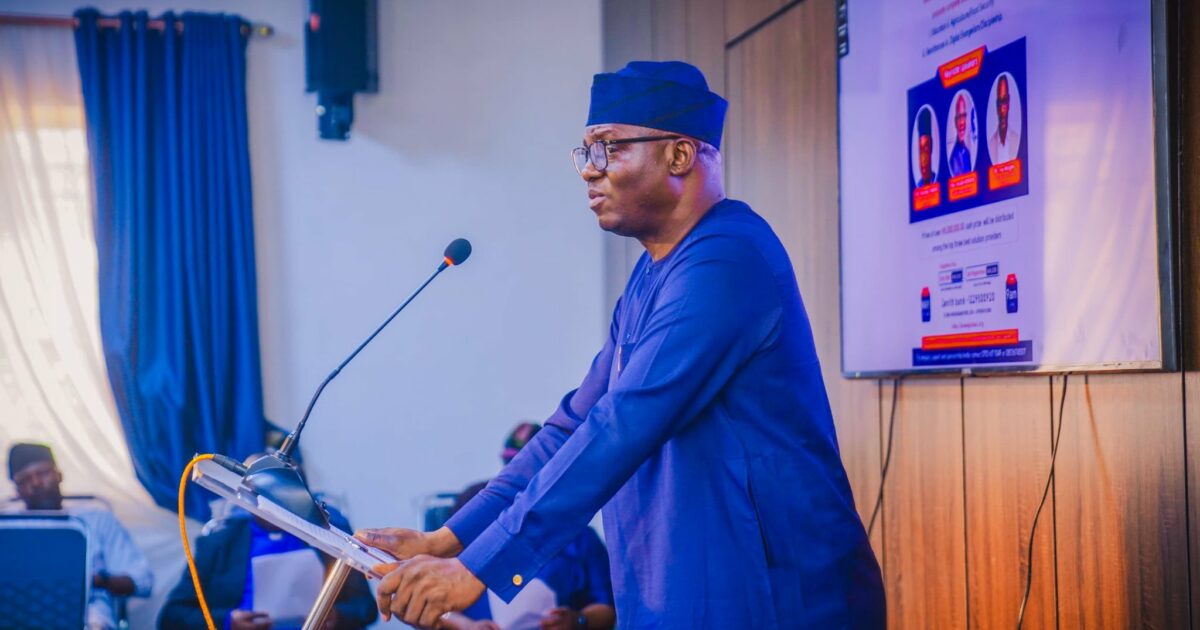
The National Chairman of the All Progressives Congress, Professor Nentawe Yilwatda, has warned that former Vice President Atiku Abubakar’s plan to bring back fuel subsidies could undo the economic progress Nigeria has made under current reforms. He said this could hurt workers' pay, education, infrastructure, and the financial stability of states.
In a statement released by his Special Adviser on Media and Information Strategy, Abimbola Tooki, on Sunday, Yilwatda said Atiku’s proposal would lead to long fuel queues again. He added that it could threaten the current minimum wage and possibly cancel education grants for Nigerian students, affecting many people.
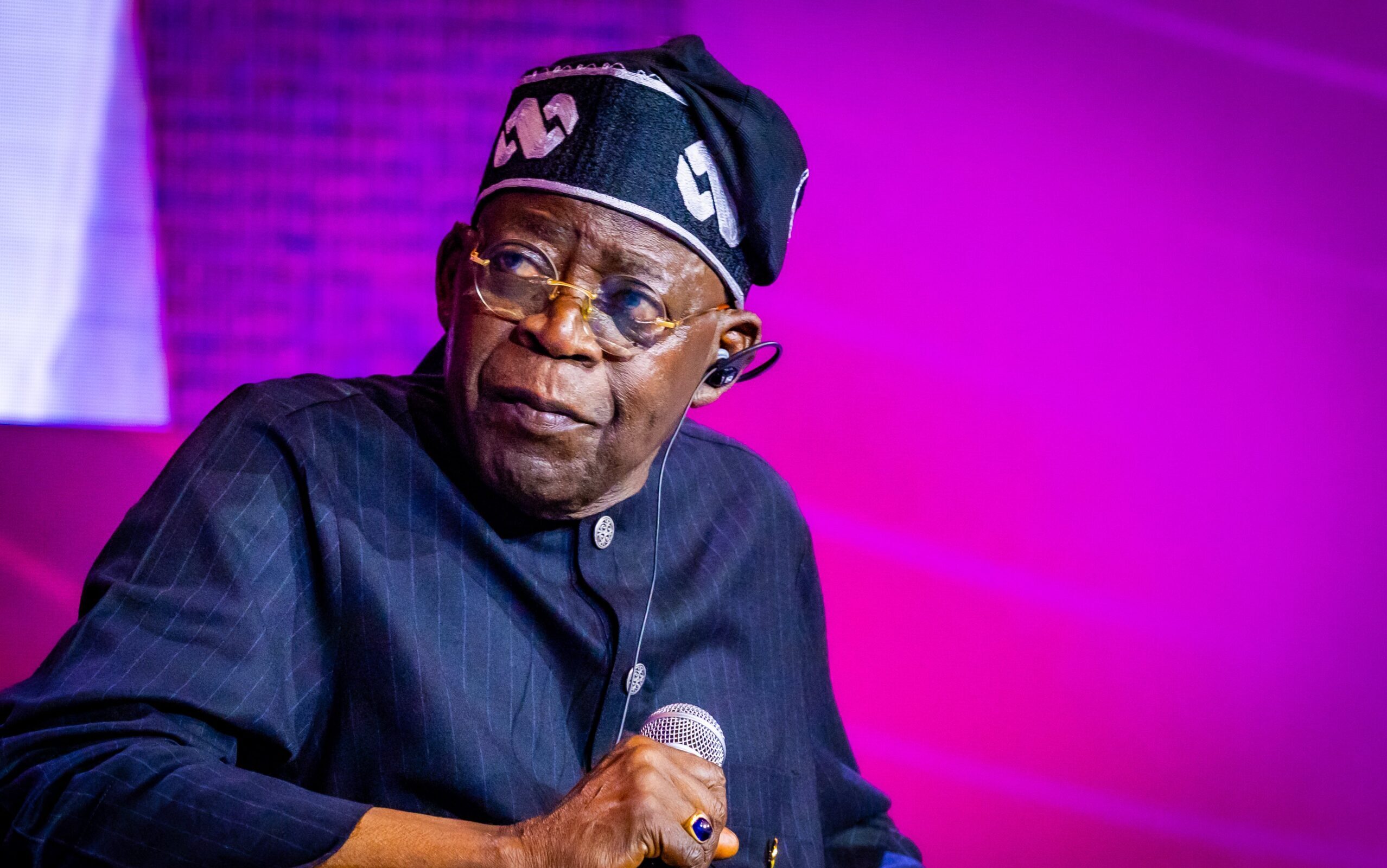
On May 29, 2023, President Bola Tinubu announced during his inauguration that fuel subsidies were over, keeping his campaign promise. Though this led to rising prices for goods and services, the APC-led Federal Government insists that this decision has brought significant economic benefits to the country.
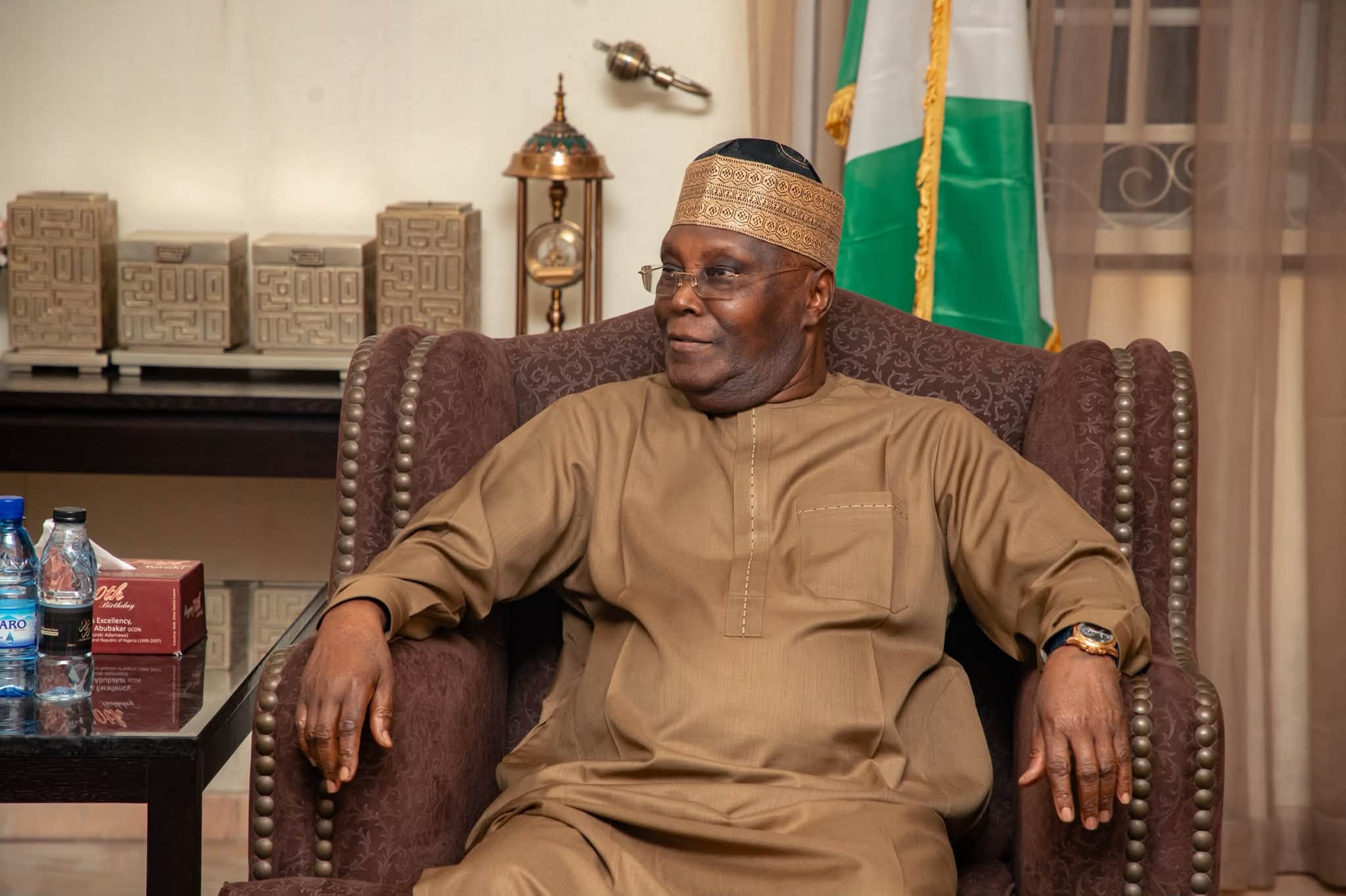
As the 2027 election approaches, Atiku, who promised to end fuel subsidies in 2023 if elected, recently said he would bring back the subsidy if he wins the January Presidential election. This pledge has sparked mixed reactions among Nigerians.
Yilwatda spoke while meeting economic stakeholders in Abuja. He said the discussion about subsidies should not just be political talk. It should also look at the heavy financial burden and the effects on states, workers, education, and infrastructure.
He stated, “The former Vice President, Atiku Abubakar’s proposal to restore fuel subsidy raises fundamental questions about how such a policy would be financed and sustained without returning Nigeria to the cycle of fiscal pressures that characterised the previous arrangement.”
“Subsidy may seem appealing because it suggests cheaper petrol, but Nigerians must also ask the bigger question: who pays for the subsidy and what happens to the resources that government must divert to finance it? A policy cannot be judged only by its immediate benefit at the pump. We must examine its impact on government revenues, salaries, pensions, education, healthcare, infrastructure and the overall capacity of government to meet its obligations to citizens.”
Yilwatda mentioned that many states had a hard time paying workers’ salaries and pensions before, with some even making partial payments. He pointed out that increased federal allocations after removing the subsidy had helped states financially.
He urged caution against bringing back the subsidy and falling back into earlier fiscal troubles. He also warned about the education sector, recalling how Nigerian universities faced long breaks during the previous government's time. He said Nigerians should worry about policies that might weaken the government's ability to fund education and essential public services.
“A return to a fiscally unsustainable subsidy regime could have consequences far beyond the price of petrol. When government revenue is squeezed, the first victims are often the critical sectors that directly affect the welfare and future of our people,” he added.
On the new minimum wage, Yilwatda said the need to keep workers' pay steady must be part of the subsidy discussion. He stressed that governments should be able to meet their ongoing financial commitments. He warned that raising wages should not hinder funding for infrastructure, education, healthcare, and other vital services.
The APC chairman also noted that ongoing reforms are improving Nigeria’s digital payment system. This change allows more Nigerians, especially young people, freelancers, and content creators, to make and receive international payments.
He said, “Our young people are no longer limited by geographical boundaries. A Nigerian content creator, software developer, consultant, or freelancer can provide services to clients anywhere in the world. But that opportunity requires a financial and payment system capable of supporting the global digital economy.”
Yilwatda highlighted the Nigeria Education Loan Fund as a key program that helps more families afford tertiary education. He said sustainable funding for education is crucial to ensure that young Nigerians do not have to drop out because their parents cannot pay tuition and other school fees.
He believes the subsidy debate should focus on creating a strong and lasting economy instead of relying on costly government support. Yilwatda acknowledged the hardships caused by removing the subsidy but said stronger measures are needed to help vulnerable Nigerians.
The statement concluded, “The hardship Nigerians have experienced is real, and government must continue to respond to it. But the answer cannot simply be to return to a system whose long-term fiscal implications created serious distortions in our economy.”
“What Nigerians deserve is an economy that can sustainably finance good wages, quality education, healthcare, infrastructure, and social protection without depending on an opaque and expensive subsidy system. Whenever anybody proposes a return to subsidy, Nigerians should ask: how much will it cost?
“Where will the money come from? What programmes will be sacrificed to finance it? And for how long can the government sustain it? These are legitimate questions that must be answered before the country embarks on another expensive policy experiment.
Drop your comment
No comments yet — be the first to drop the gist 👇