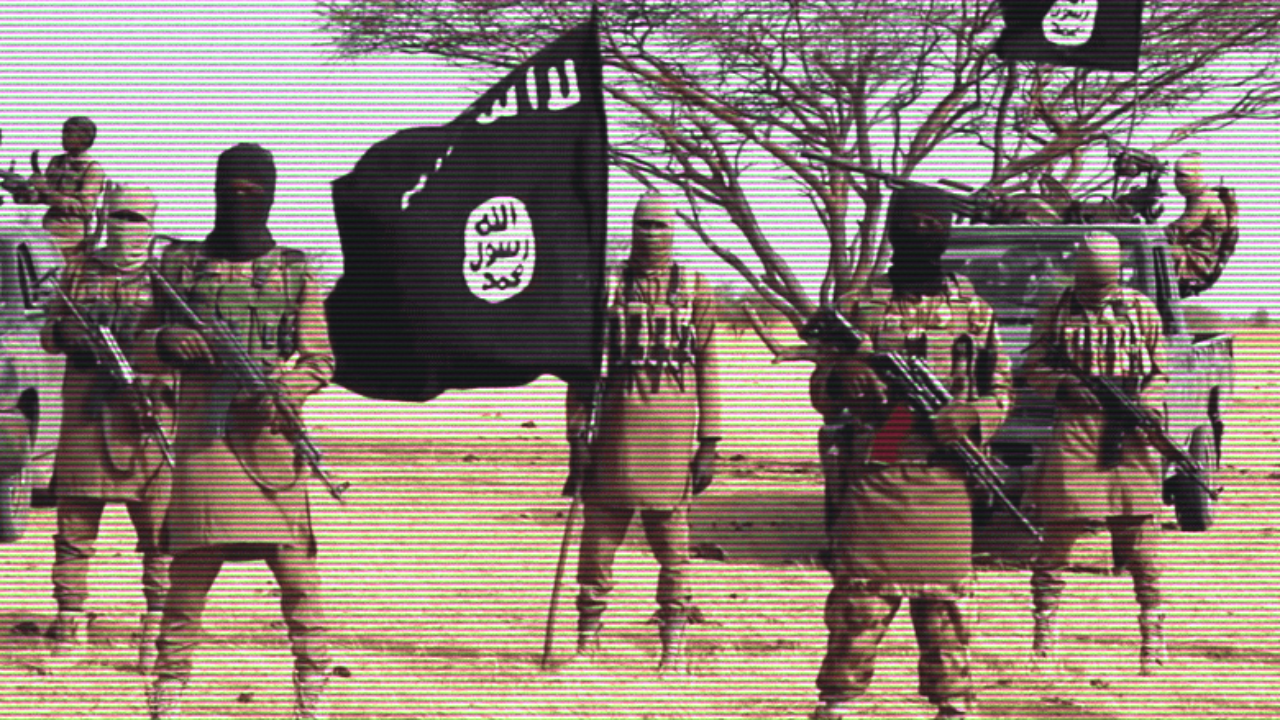
Boko Haram is giving more Cameroonian fighters senior roles, according to research from the Institute for Security Studies (ISS). These commanders help the group stay strong by giving it access to local resources and information about targets for attacks and extortion.
This change comes as the group’s two factions, Islamic State West Africa Province (ISWAP) and Jama’tu Ahlis Sunna Lidda’awati wal-Jihad (JAS), shift their attack locations. Data from ACLED shows that in 2025, the most attacks happened in Cameroon’s Far North region. This area faced more incidents than Nigeria’s Borno, Adamawa, and Yobe states, as well as Chad’s Lac and Hadjer Lamis provinces, Cameroon’s North region, and Niger’s Diffa.
The rise in attacks in the Far North is linked to ISWAP’s plan to expand its territory. Cameroonian fighters are given power to target people and property within Cameroon. This allows them to influence decisions and ground operations.
With their local knowledge, these leaders can plan and coordinate attacks in their own areas. They can also recruit fighters and ensure logistical support from Cameroon. Research from ISS shows that under these leaders, there were 714 reported Boko Haram attacks in 2025 and 227 attacks from January to June 2026.
Focus on Cameroon’s Border Regions
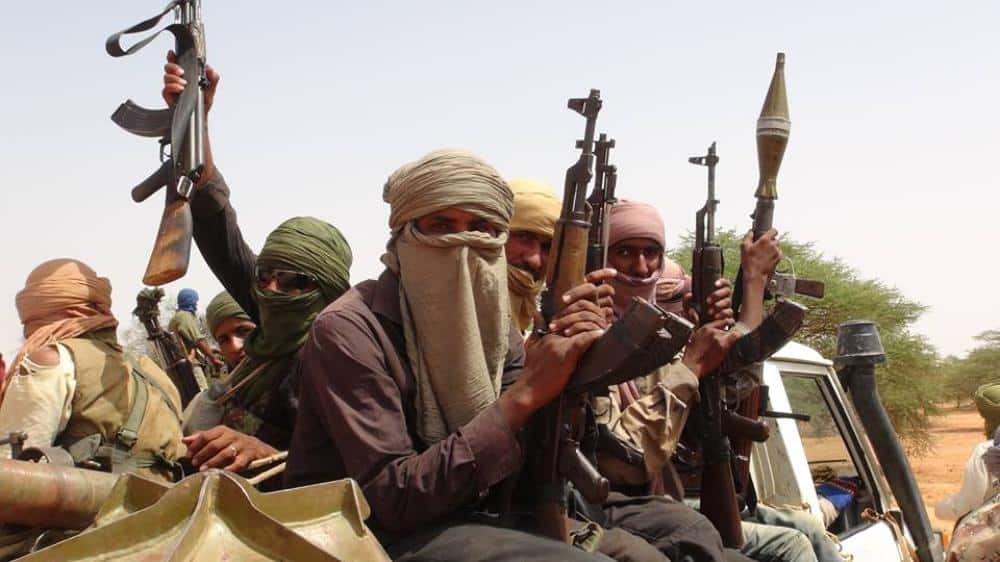
The border areas of Cameroon are very important to both ISWAP and JAS. With Nigerian military operations pushing them back, these armed groups seek refuge in remote border areas between Nigeria and Cameroon. They raid nearby communities in Cameroon and launder money made from their terror activities. For example, livestock stolen in Nigeria is often sold in Cameroon’s border markets. The busy cross-border trade allows ISWAP and JAS to easily access essential things like food, clothing, medicines, and fuel. The more resources they can get, the stronger they become, using local fighters to scout.
Cameroonian leaders now play important roles in Boko Haram’s operations. At the strategic level, a special adviser for Cameroon works with Ali Ngulde, JAS’ second-in-command. At the tactical level, there are at least five Cameroonian qaids (commanders) between Ngoshé and Sambisa in Nigeria. They oversee about 1,000 fighters in Mayo-Sava and Mayo-Tsanaga in Cameroon’s Far North.
These qaids lead around 400 fighters each. They know the local languages and the area well, which allows Boko Haram to operate almost daily. These commanders choose lower-ranking fighters from their own areas to be deputies. These deputies lead operations involving 50 to 100 fighters in Cameroonian villages.
ISWAP has assigned Abu Zara, a Cameroonian from Mayo-Sava, with creating a cell near Waza National Park in Far North. This poses a serious threat. It could lead to the government losing control of the territory, making border areas more vulnerable, and causing displacement of people.

Need for a Targeted Strategy
Cameroon must stop ISWAP’s advance towards Mayo-Sava. The government needs a focused plan to demobilise these terrorist leaders by using family or community networks. This could help lower Boko Haram’s threat in Cameroon and stop its recruitment of Cameroonians.
People in affected communities can identify the combatants, usually local youths, who carry out attacks on their land. They know the families and friends of these fighters. Many locals keep in touch with Boko Haram members. Community members can raise awareness, support demobilisation, and act as mediators. A formal defection program could offer financial help and job training, with strong involvement from local communities.
Nigeria’s ‘Operation Sulhu’ provides a good example. Launched in 2019 by the Nigerian State Security Service, this program aims to encourage senior Boko Haram commanders to leave the group. It has led to many leaving, which weakens the group’s operations and helps ex-combatants join rehabilitation programs.
A similar program could help reduce Boko Haram’s violence in Cameroon. There are fewer Cameroonian fighters in ISWAP and JAS compared to Nigerian fighters. Additionally, Nigerian commanders hold the top leadership positions in both groups and control most financial resources, spoils of war, and supplies. They often focus on their own interests instead of those of Cameroonian leaders, which might push these leaders to surrender.
The main conflict area is Borno in north-east Nigeria, where most of Boko Haram’s strongholds are found. Cameroon’s Far North is near Borno. By targeting a few key leaders in Far North, the link between the edge and the center can be broken.
Military operations and intelligence should focus on key Cameroonian leaders to disrupt the group’s structure. It is also important to improve Cameroon’s existing disarmament, demobilisation, and reintegration program. This program struggles due to procedural and infrastructural issues. It lacks incentives for surrender, does not focus on Boko Haram leaders, and does not involve affected community members enough.
Boko Haram must be stopped from giving more responsibility to Cameroonian fighters. This would strengthen terrorist networks in the country and lead to more attacks in northern Cameroon.



Drop your comment
No comments yet — be the first to drop the gist 👇