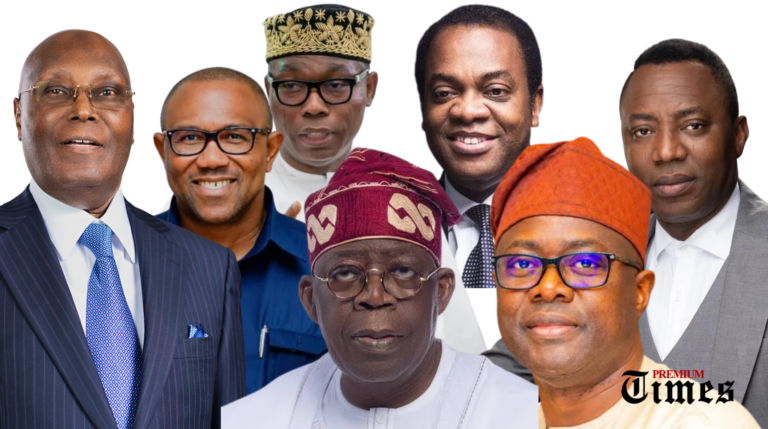
Campaigns for the 2027 general elections have started. Eighteen political parties are aiming for the presidency of Nigeria. In a good democracy, important challenges shape debates and town hall meetings during elections. But here, it seems like insults and accusations take the spotlight. Some candidates avoid debates as if they don’t owe voters any information about their plans for public office.
As the 2027 campaigns pick up speed, one thing is clear: insecurity is Nigeria's biggest problem. This is followed closely by the high cost of living, ongoing corruption, poor healthcare and education, bad roads, and lack of electricity. These are serious issues that concern everyone. Candidates may list them in their manifestos, but they often forget to share how they plan to tackle these problems. This is why debates are so important.
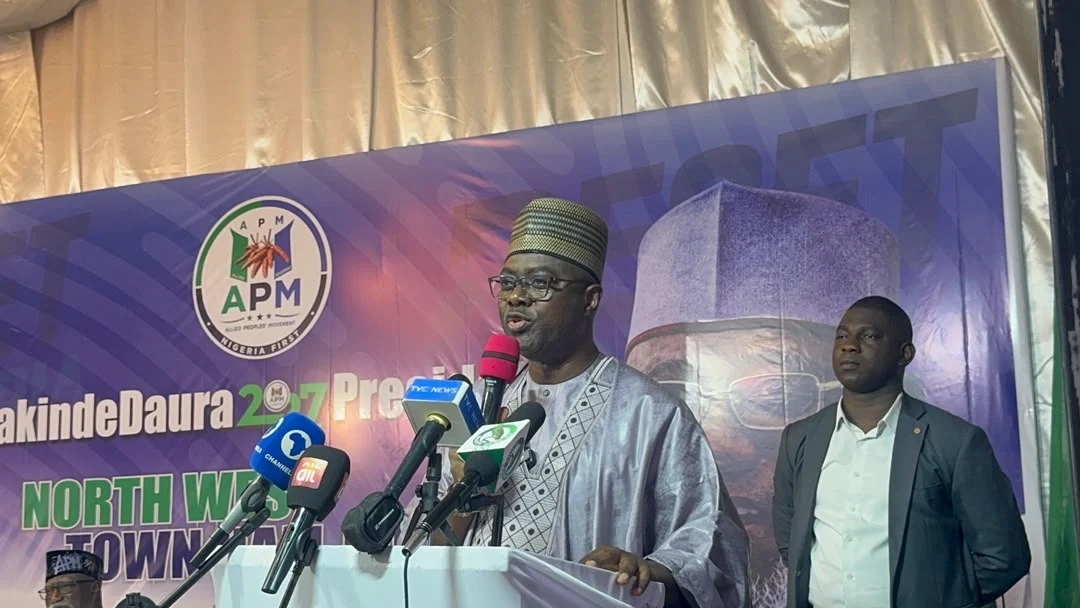
Nigerians are eager to hear from presidential candidates like Bola Ahmed Tinubu of the All Progressives Congress (APC), Atiku Abubakar of the African Democratic Congress (ADC), Peter Obi of the Nigeria Democratic Congress (NDC), Seyi Makinde of the Allied Peoples Movement (APM), Omoyele Sowore of the African Action Congress (AAC), Donald Duke of the Peoples Redemption Party (PRP), and Adebowale Adebayo of the Social Democratic Party (SDP) about their plans for these pressing national issues.
Atiku has started the conversation by promising to bring back fuel subsidy if he wins. This is a big change from his 2023 position, where he criticized the subsidy. Now he says the removal has hurt the cost of living. But Tinubu claims this shows Atiku's “serious ignorance of the economy and governance.” Since then, it has become more than just a back-and-forth between the two. It has sparked a national discussion, with other candidates joining in as well. The ₦15 trillion saved from the removal of the subsidy from June 2023 to December 2025 has not improved citizens' lives, despite all the money going to government levels.
Tinubu ended the subsidy program with his quick statement that “fuel subsidy is gone” during his inauguration in 2023. This move got praise from economists and institutions like the World Bank, who said the subsidy was not sustainable. It was not sustainable, especially with all the corruption surrounding it.
The rising inflation from market-driven fuel pricing and the deregulated forex market has made life tough for many Nigerians. We see this in the higher prices of food, transportation, healthcare, rent, and social services. The government seems to recognize that the economy is a major issue, at least in its early campaign messages. They announced a reduction in transport fares starting from October 1. Some CNG buses have been introduced as cheaper transport options, and a 30-day price cut in fuel at NNPCL filling stations has been announced. The new cap is ₦1,350 per litre at NNPCL stations across Nigeria.
Ironically, three weeks into this plan, many stations are selling petrol above the capped price. Sadly, instead of real economic solutions, we see a mere change in terms. “Discount” is the new word for price reduction, while old terms like “under-recovery” and “import differential” are being pushed aside. Citizens want to know who really pays for this new discount and if it is just a temporary relief that will come back to bite them after the elections.
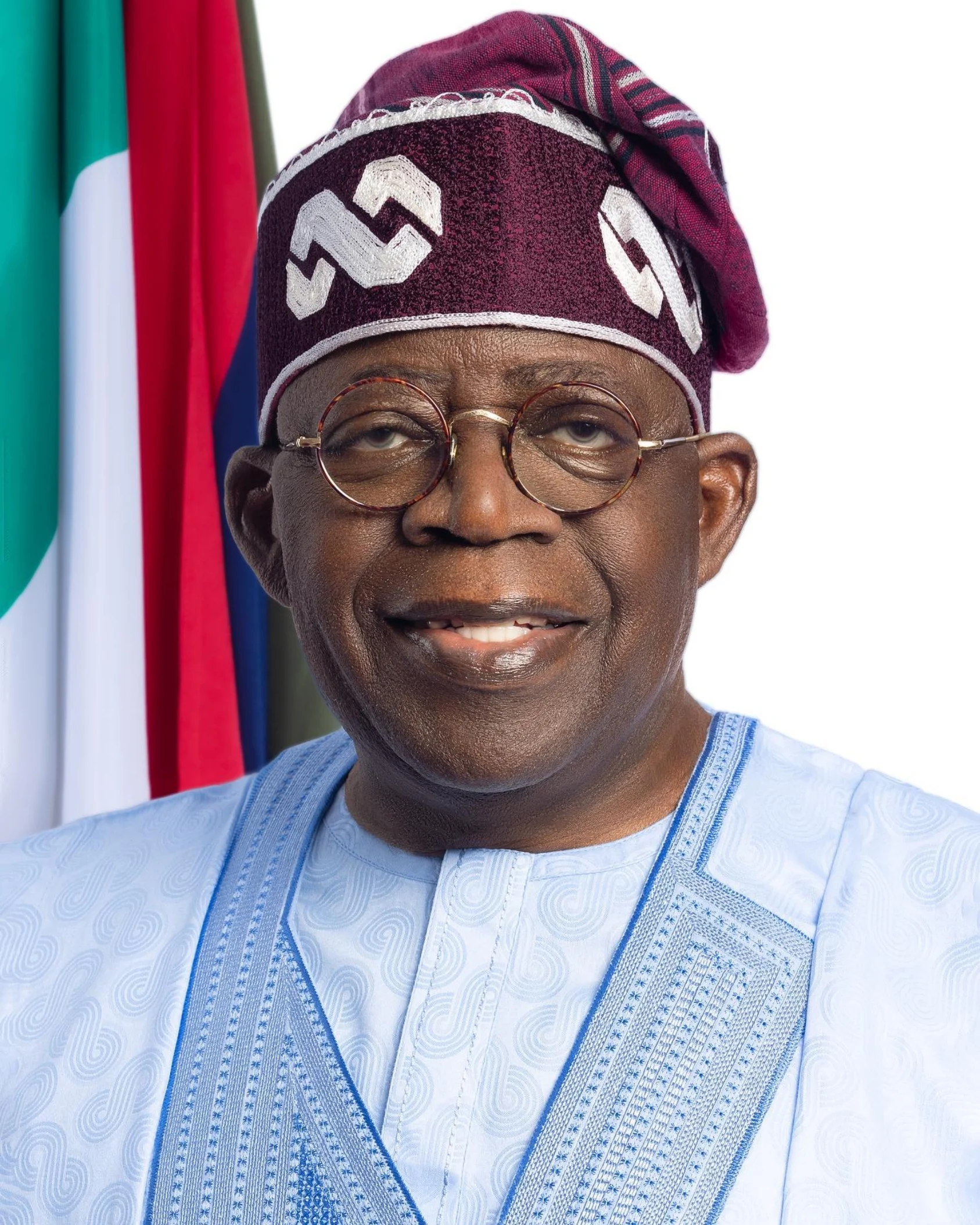
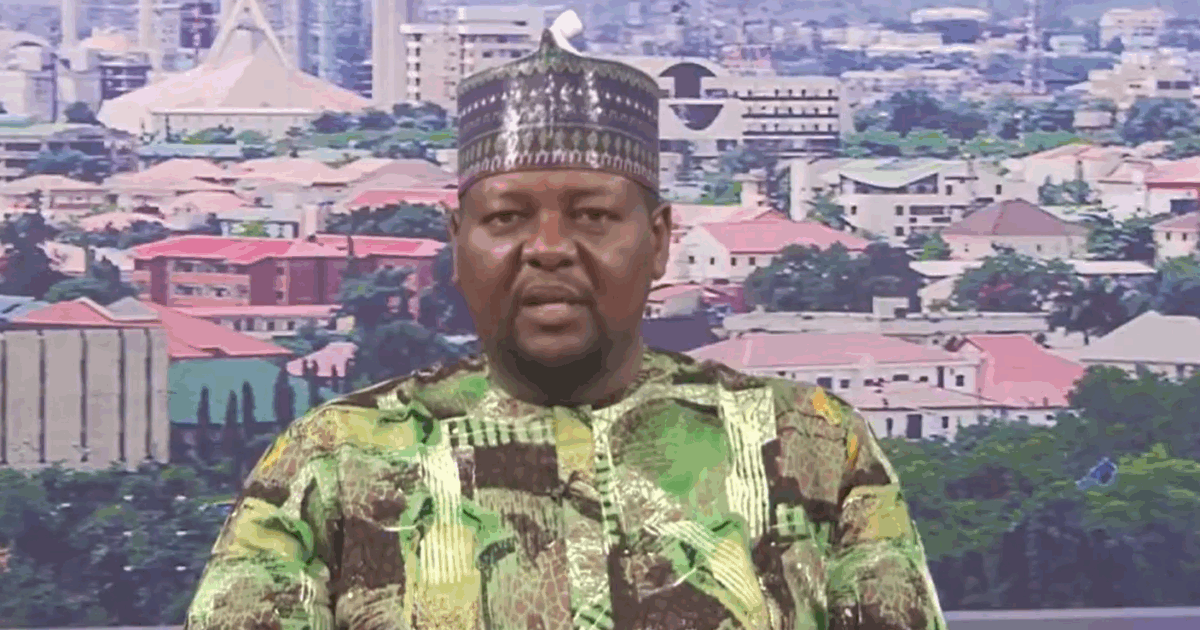
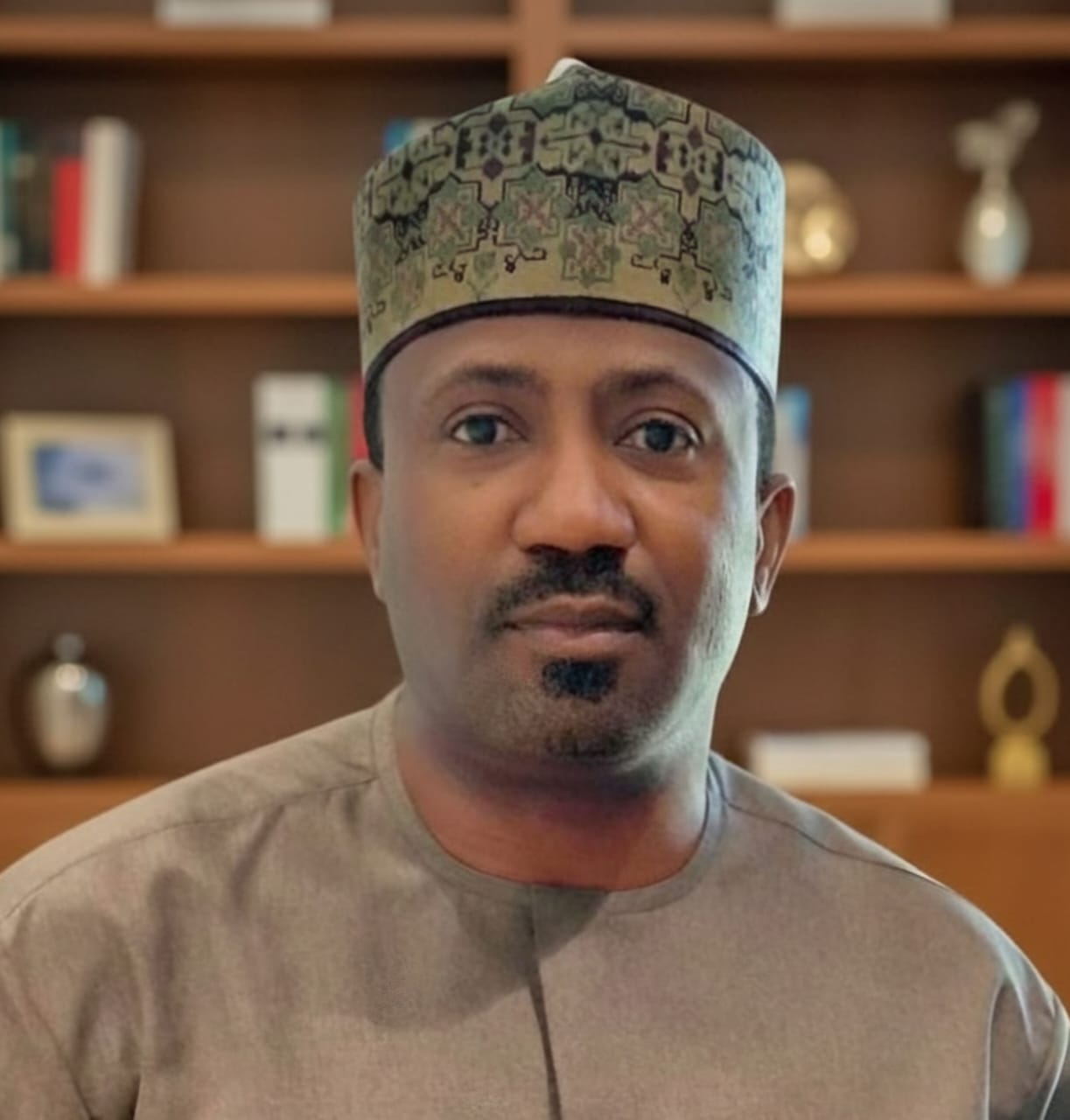
With economic hardship rising, it is unclear how long Nigerians, especially the 63 percent living below the poverty line, will survive in this market situation. Fuel prices range from ₦1,380 to ₦1,500 nationwide, and many fear it could go even higher. The government’s claim that fuel subsidy is not sustainable due to corruption is losing credibility. They seem indifferent to recovering stolen funds from the corrupt fuel importers and marketers. Everyone knows who these subsidy thieves are. There are records of the shady payments with NNPCL from years back.
In 2012, a House of Representatives committee led by Farouk Lawan found over ₦1.7 trillion stolen in the subsidy scandal. Twenty-one oil companies involved did not show up for questioning and nothing has happened to them since. Plus, the current Group Managing Director of NNPC, Melee Kyari, has refused to appear before the Senate Public Accounts Committee since July to explain a ₦210 trillion spending, covering 2017 to 2023, which the Auditor-General has questioned.
Good political leadership and accountability are needed now. Nigerians expect the presidential candidates to outline plans to stop the rampant stealing of the country’s oil wealth. Campaigns are key in democratic processes. In the US, for example, important national issues influence election outcomes. The economy, immigration, and abortion rights shaped the 2024 presidential campaign. Nigeria’s situation should be similar.
One shocking issue is the $1.8 billion the government wants to spend for repairs on Nigeria’s four refineries after throwing $18 billion at them in the last twenty years with no real results. This is a huge waste. Nigerians suffer every year. Industries cannot operate at full capacity because electricity output fluctuates between 3,000 and 5,000 megawatts. In 2025, industries spent ₦1.34 trillion on alternative power supply; 24 companies spent ₦400.8 billion on gas and alternative power just in the first quarter of 2026.
Since 1999, governments have failed to deliver on power. Small and Medium Scale Enterprises, which could create jobs for many young people, are mostly struggling, pushing many of them into crime. Only short-sighted presidential candidates will overlook this pressing issue. Kidnapping, banditry, and insurgency are rampant, especially in Plateau, Benue, and Zamfara states. A shift in security policy and plans to reverse two decades of tragedy is urgent. But it cannot be based on promises alone; real steps must be taken to produce results.
Drop your comment
No comments yet — be the first to drop the gist 👇