---
With 18 candidates now set for the January 2027 presidential election, they are sharing their plans for the economy, fuel prices, electricity, security, education, jobs, and social welfare.
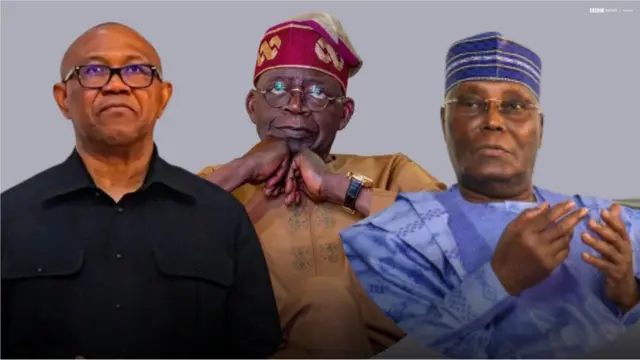
The Independent National Electoral Commission released the final list of 18 presidential candidates and their running mates on September 12, 2026. This list includes President Bola Tinubu from the All Progressives Congress, former Vice-President Atiku Abubakar from the African Democratic Congress, Peter Obi from the Nigeria Democratic Congress, Social Democratic Party candidate Adewole Adebayo, Allied Peoples Movement candidate Seyi Makinde, African Action Congress candidate Omoyele Sowore, and Peoples Redemption Party candidate Donald Duke.
The candidates have different promises, but issues like cost of living, petrol prices, electricity, insecurity, and economic management are at the forefront of their campaigns.
Major Promises So Far
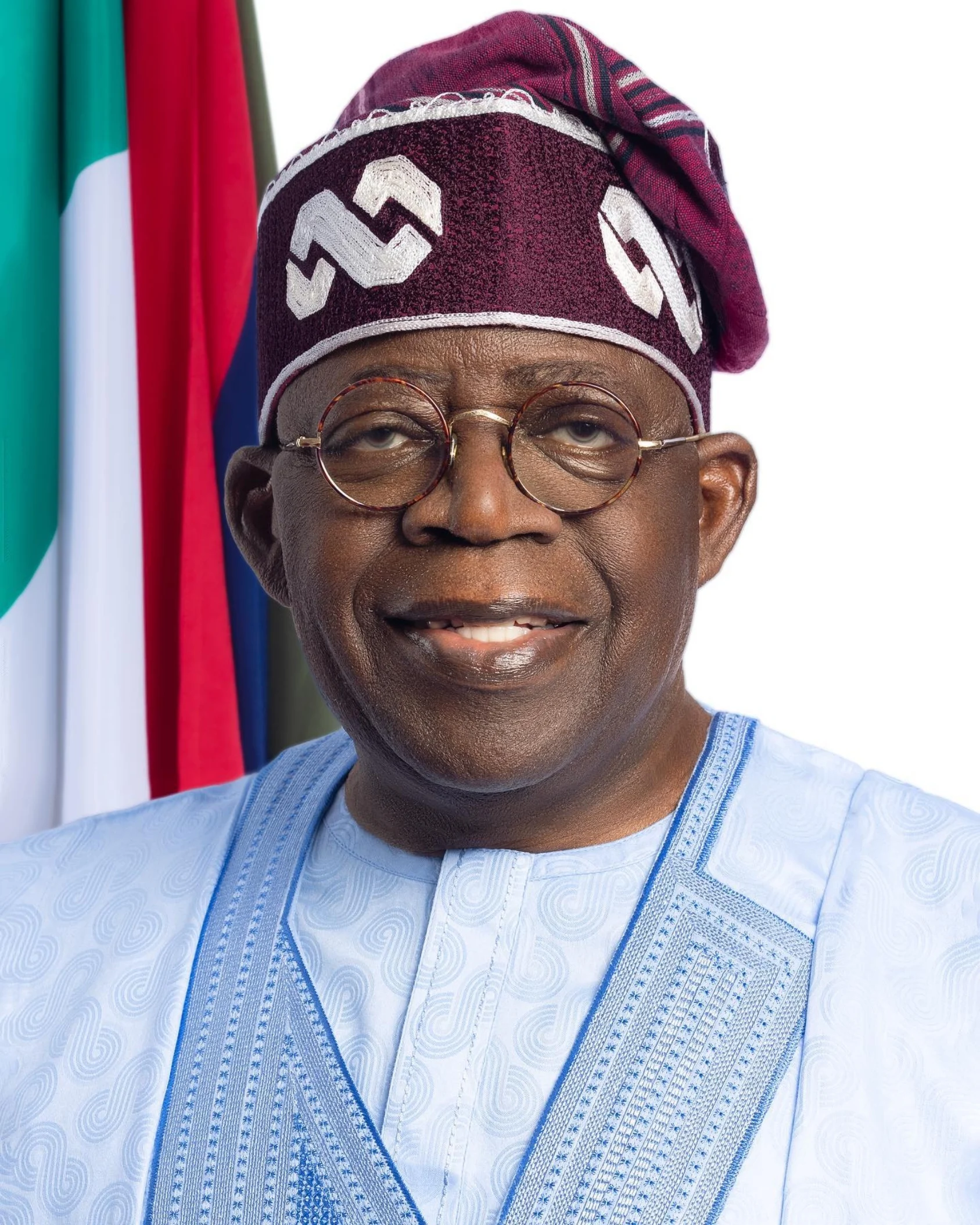
Bola Tinubu, APC
President Bola Tinubu is running for a second term based on his economic reforms since 2023. These include removing the petrol subsidy and changing the foreign exchange system.
While accepting the APC’s presidential nomination, Tinubu defended his reforms. He said his administration has moved away from what he calls wasteful fuel subsidies while investing in infrastructure, power, education, security, and oil and gas.
“We moved away from wasteful fuel subsidies, unstable exchange rates, and weak infrastructure,” he said.
Tinubu also talked about the Nigerian Education Loan Fund, infrastructure projects, domestic refining, and electricity reforms. He promised to keep the economic programme going.
He stated that his next four years would focus on “economic expansion, industrialisation, energy security, infrastructure development, food sufficiency, and democratic consolidation.”
On electricity, the President said his government had increased power generation at certain times and expanded metering. They are also working to clear debts in the electricity sector.
The administration claims that subsidy removal and other reforms are needed to stabilize the economy. But opposition candidates have different ideas for petrol pricing and economic support.
Atiku Abubakar, ADC
Former Vice-President Atiku Abubakar has promised to bring back the petrol subsidy if he wins. He believes Nigerians have not benefited enough from the savings from its removal.
Atiku faced some confusion over his stance after a comment from a campaign aide, but he later clarified his position.
“Earlier, one of my press aides contradicted me in a policy statement as far as subsidy is concerned. I want to repeat categorically that when I said I would return to subsidy, I will!” Atiku said.
In an interview with BBC Hausa, he asked how the money saved from removing the subsidy has been used.
“I did not oppose the removal of the oil subsidy, but where is the money? Where did it go?” he asked.
His campaign explained that any subsidy would focus on local crude production and refining, not the previous import-based system. Atiku also suggested a production subsidy for locally refined petroleum products.
The APC Presidential Campaign Council has challenged Atiku to explain how this subsidy would work under the Petroleum Industry Act and how it would be funded.
Peter Obi, NDC
Peter Obi also wants to return to the fuel subsidy but promises that any intervention under his government would be open and structured to avoid past corruption.
Speaking in Sokoto on September 28, Obi said he and his running mate, Rabiu Kwankwaso, would create a system to track oil production, transactions, and revenues.
“Kwankwaso and I will initiate a work plan that would transparently arrive at the quantum of crude, nature of transactions, import and export, and revenue accruing from every single oil and gas transaction and activity for the benefit of Nigerians,” Obi said.
Obi said he would keep the naira floating policy from the Tinubu administration while focusing on improving productivity to strengthen the currency.
His broader agenda includes investing in agriculture, education, security, and infrastructure, along with expanding rail transport.
In May, Obi also promised to boost power generation and distribution by at least 10,000MW within four years and increase health insurance coverage and healthcare spending.
Adewole Adebayo, SDP
Adewole Adebayo has promised a strong plan to tackle insecurity, energy, jobs, education, and the cost of living.
He unveiled the SDP’s 2027, 2031 manifesto, Farewell to Poverty and Insecurity, in Abuja on September 8. Adebayo pledged to defeat insecurity within four years.
“We are promising that in four years, we are going to defeat insecurity,” he said.
On energy, he promised four operational refineries and 75,000 megawatts of electricity, with a petrol price of N200 per litre.
“The plan is to have four functional refineries in Nigeria and generate 75,000 megawatts of electricity. No Nigerian should be living in Nigeria and buying petrol at international prices. That is why we have arrived at N200 per litre for petrol,” Adebayo said.
He also suggested that petrol, cooking gas, and Jet A1 should be sold at no more than N200. He said this would be supported by revenue from other petroleum products.
Adebayo aims to achieve this within 12 months by reviving existing refineries and supporting modular refineries. Beyond fuel, he wants to cap transportation costs at six percent of salaries and housing costs at seven percent. He also promises free education, healthcare, and increased focus on agriculture and food security.
Omoyele Sowore, AAC
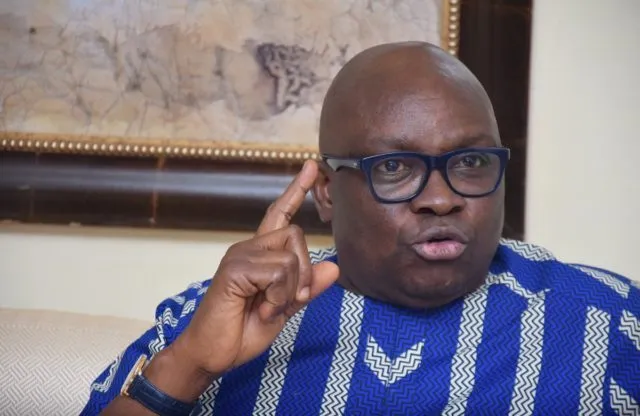
Omoyele Sowore has a tech-driven plan that includes artificial intelligence, blockchain, free education, electricity, housing, security, and anti-corruption measures.
In his manifesto, Sowore suggested using artificial intelligence to manage public finances and drones for national defense.
“Sowore2027 will appoint Artificial Intelligence as ‘Minister of Finance’ and a ‘Drone’ as Minister of Defence,” he said.
He explained that AI would help detect fraud in government spending, while blockchain would ensure a permanent public record of government transactions.
Sowore has also promised a N500,000 monthly minimum wage, 24-hour electricity, free education, and one million public mixed-income homes.
“We are proposing a ₦500,000 monthly living minimum wage because Nigerian workers cannot continue receiving starvation wages while senators, governors, and political appointees consume millions every month,” he said.
He also promised to industrialize the country, expand agriculture, reform policing and security, and use drones and technology to tackle insecurity.
Seyi Makinde, APM
Seyi Makinde has rejected going back to the old fuel subsidy system. He suggests that Nigerian crude supplied to local refineries should be priced differently from crude sold abroad.
Makinde said this would make locally refined petrol cheaper without returning to the previous subsidy system.
“That is not my position. Let me explain my position very simply with this example. If a community grows food, the people of that community should not have to buy that food as though it travelled halfway around the world before reaching them. So why should crude oil supplied to Nigerian refineries be priced as though Nigeria does not produce crude oil?” he said.
He also wants transparency in the petroleum value chain, including crude allocation, refining, transportation, distribution, taxes, and retail margins.
Makinde’s larger “Reset Nigeria” plan includes reforms in security, education, agriculture, petroleum, and the economy. He has also promised to improve food security by creating accurate data on agricultural production, processing, logistics, and storage.
Donald Duke, PRP
Former Cross River State Governor Donald Duke focuses on security, productivity, education, and improving conditions for ordinary Nigerians.
At the presentation of his presidential nomination certificate in Abuja in June, Duke criticized the security situation in the country. He said the government should prioritize protecting farmers and children.
“We must strive for a Nigeria where farmers return safely from their fields and where every child has a desk and chair in a decent learning environment.”
Duke has framed his campaign around what he calls putting ordinary Nigerians at the center of government.
“The scavengers have had their turn. Now it is the turn of the common man, the true Nigerian: keke rider, okada, street hawker, market woman, farmer, and the unemployed graduate. And I, Donald Duke, seek to be their champion.”
On fuel subsidy, Duke has a different view from those wanting to bring it back.
Speaking at the Nigerian Bar Association conference debate in Port Harcourt in August, he questioned if Nigeria ever had a real subsidy.
“You can’t remove what doesn’t exist. I postulate there is nothing like fuel subsidy.”
He also questioned the transparency of crude-for-petroleum swaps, saying the country needs to focus on productivity and ensure that what is needed for economic activity is available.
“For me, the overall goal of government is the productivity of its people. So if that is the vision or the mission of government, all the factors that have to do with productivity must be made abundantly available.”
Candidates on Fuel Subsidy
Fuel pricing is a major point of difference among the candidates.
Tinubu wants to keep the post-subsidy reform framework from his administration.
Atiku has promised to bring back the subsidy while proposing a production-focused intervention for locally refined petroleum products.
Obi wants a transparent subsidy plan that monitors crude production, oil transactions, and government revenues.
Adebayo suggests a N200-per-litre price for petrol, cooking gas, and Jet A1, supported by local refining and revenue from other petroleum products.
Makinde has rejected the return of the subsidy, instead proposing cheaper pricing for domestic crude supplied to local refineries.
Duke has questioned whether a real subsidy existed in the past.
Sowore has shifted focus from restoring subsidies to technology-driven governance, local production, and economic restructuring.
The different ideas show various ways to tackle the same issue: how to lower energy costs and ease the burden of high living costs while managing government revenue and the oil sector.
With the election still months away, the candidates are expected to share more details about their plans and how they will fund them.
Drop your comment
No comments yet — be the first to drop the gist 👇