
The Central Bank of Nigeria (CBN) and the Federal Ministry of Industry, Trade, and Investment are urging more involvement from the private sector in making policies.
They said businesses need to give more input to lower cross-border trade barriers and speed up the African Continental Free Trade Area (AfCFTA) plan.
This call was made at a business symposium hosted by Citibank in Abuja. Policymakers, regulators, financial institutions, and business leaders from Nigeria, Ghana, and Côte d’Ivoire gathered to discuss ways to boost trade along West Africa’s major economic routes.
At the event, Lamido Yuguda, the Deputy Governor for Financial System Stability at the CBN, said that efficient financial services will be key to the success of AfCFTA as trade among African countries grows.
He mentioned that improving cross-border payment systems, making the foreign exchange market better, and increasing access to trade finance will help lower costs and make trade smoother across the continent.
"As intra-African trade scales under AfCFTA, the efficiency of financial intermediation will play a key role," Yuguda said. He added that central banks need to support this by creating strong payment and trade systems and making it easier for businesses to access finance across borders.
"Strengthening cross-border payment systems, improving FX market functionality, and deepening access to trade finance are essential to reducing transaction costs and enabling smoother trade flows.
The Central Bank of Nigeria will continue to support initiatives that enhance financial stability while promoting greater regional integration," Mr. Yuguda said.
Industrial Policy
John Enoh, the Minister of State for Industry, also spoke at the event. He said Nigeria aims to become a top exporter of manufactured goods in Africa with policies that boost industrial growth, export expansion, and regional value chains.
The minister noted that AfCFTA offers a big chance to strengthen Nigeria’s industrial base and improve market access for businesses.
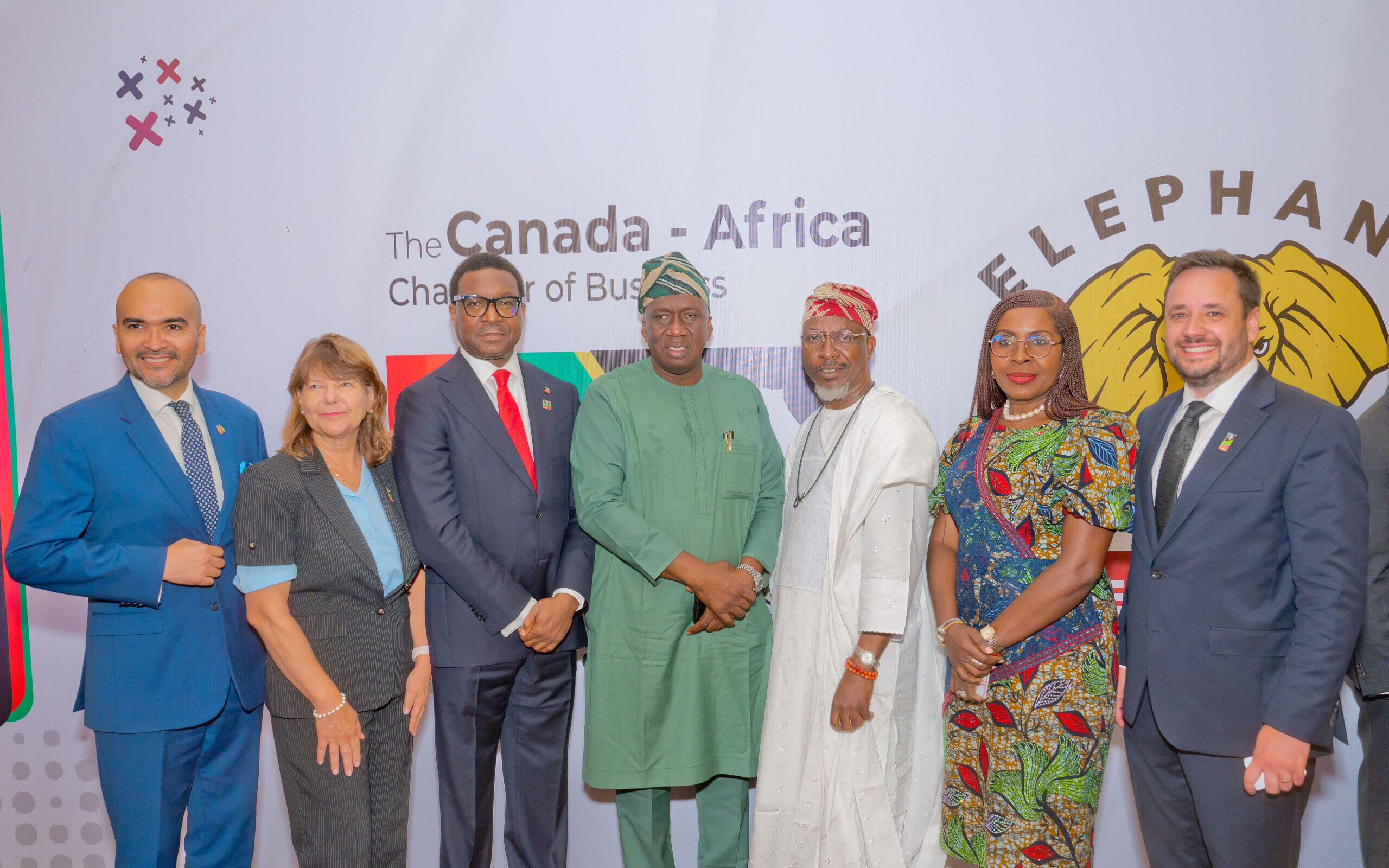


"Our focus is on strengthening the competitiveness of Nigerian industries, improving the ease of doing business, and implementing policies that support export growth and regional value chains," Mr. Enoh said.
He pointed out that Africa needs to move past just exporting raw materials and focus more on adding value. He described industrial policy as a crucial part needed to unlock all the benefits of regional trade.
Mr. Enoh highlighted the importance of the Lagos-Abidjan trade corridor, saying it has great potential for industries like cocoa. He believes it could help develop regional value chains through processing and manufacturing.
He explained that the difference between exporting raw cocoa beans and selling branded chocolate shows that African economies need to get more value from their natural resources.
The CBN and the Ministry of Industry, Trade, and Investment also called on businesses to provide data-driven and evidence-based proposals to help tackle cross-border trade issues and improve the business environment under AfCFTA.
At the forum, Nneka Enwereji, managing director and CEO of Citibank Nigeria Limited, noted that Nigeria plays a key role in the success of AfCFTA and can gain a lot from increased regional trade.
Ms. Enwereji said the agreement aims to make it easier to move goods, capital, and payments across Africa.
She added that Citibank is dedicated to offering financial solutions that help businesses grow beyond their local markets.
"Nigeria plays a key role in the success of the African Continental Free Trade Area (AfCFTA), presenting significant opportunities for businesses. The AfCFTA aims to facilitate the efficient cross-border movement of goods, capital, and payments.
Citi is committed to providing practical financial solutions that empower our clients to expand regionally and enhance their competitiveness in new markets," Ms. Enwereji said.




Drop your comment
No comments yet — be the first to drop the gist 👇