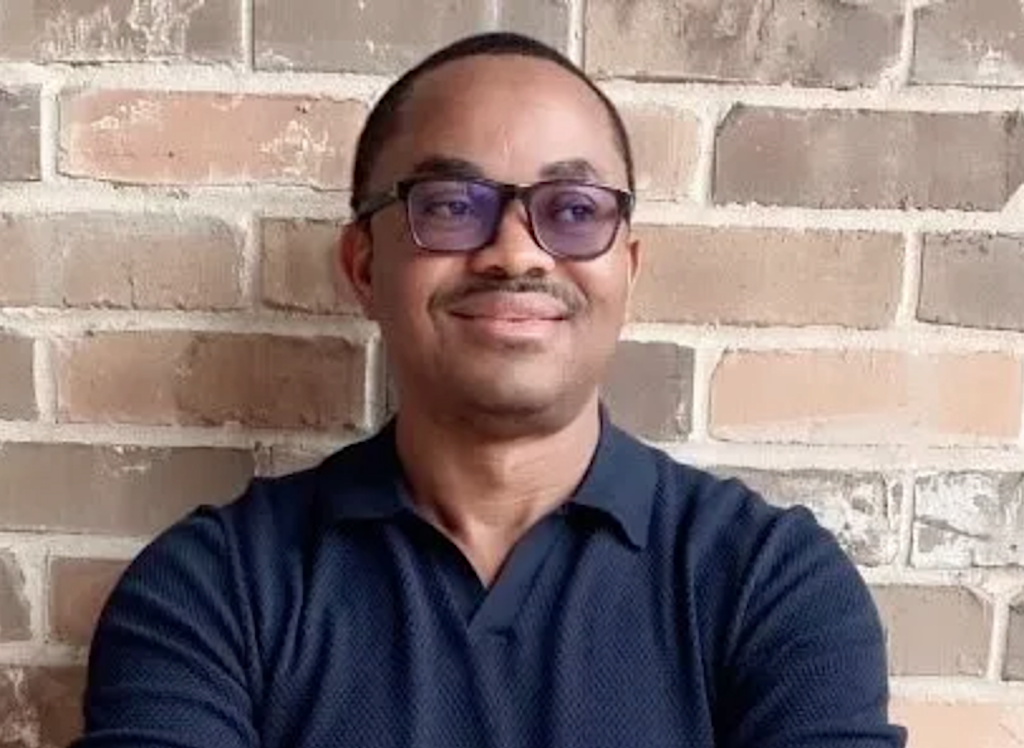
A close friend just came back to Nigeria after spending fifteen years in the UK. Like many Nigerians abroad, he worked hard, saved money, and built his dream home back in Nigeria. After finishing the project, he felt it was time to come back and make his dream life a reality.
One of the first things he wanted to do was furnish his house. He thought he would shop at the same furniture stores he knew from before. Those stores were not just shops. They were well-known places in the city.
To his surprise, most of those stores were gone.
One by one, the stores he remembered had closed down or disappeared. Instead, he found a completely new shopping scene. He was first taken to Spar, a supermarket chain that now sells everything from food to home goods. But even that wasn’t the top choice for many shoppers anymore.
He then learned about Jiji, Nigeria's growing ecommerce site, which is often seen as Nigeria’s version of Amazon. From his living room, he could look at hundreds of furniture options, compare prices, talk directly to sellers, and get deliveries to his door with just a few taps on his phone. He was blown away.
The Enugu he left fifteen years ago had secretly changed a lot. The busy furniture stores and shops that used to fill the city had made way for supermarkets, online marketplaces, and a whole new way of doing business. Shoppers no longer needed to spend a whole day at Ogbete Main Market or drive around looking for home items. Tech had changed how people shop and what they expect.
Even the well-known Igbo apprenticeship system has changed. Traditionally, young men left school to serve a master for years before starting their own businesses. Now, many young people are becoming salaried workers, sales reps, or working in tech-driven businesses. The scene has changed forever.
Thinking about my friend's experience, I remembered wealthy Igbo families after the civil war, like the Ekenedilichukwus and Nkwuochas. They built strong businesses in transport and construction. Many of those businesses have now faded away, leaving no lasting institutions or wealth for future generations. This shows a big lesson of our time: the world never stays the same.
Industries change. New tech comes up. Consumer tastes shift. Whole economic systems can break down and be rebuilt quickly. Those who do not adapt will wake up to find the world they knew is gone, replaced by something new.
Just a few years ago, it would have seemed crazy to think millions would use AI instead of search engines. But that is what we are seeing now.
Google, which shaped the internet for over twenty years, is now competing for attention after the rise of ChatGPT and other AI platforms. This change has been quick and deep.
Students now use AI to understand tough topics. Lawyers use it to write legal papers. Doctors use it to gather research and help with patient care. Programmers use it to create code. Businesses use it for marketing and to improve customer service.
Not long ago, few would have believed a major transport company would not own any vehicles or that a leading hotel company would not have any hotels. Yet Uber and Airbnb have changed the rules of their industries.
Netflix changed entertainment and made Blockbuster go out of business. Amazon changed retail and hurt many big stores. Digital banking is making traditional bank branches less important. Automation and robots are changing the future of work. Many companies are struggling because of tech changes.

Blockbuster ignored streaming and failed. Kodak created the digital camera but did not adapt, thinking it would hurt their film sales. That company, once a leader in photography, ultimately went bankrupt. BlackBerry thought touchscreen phones were a trend and paid a big price for that mistake. The lesson is clear. Success today does not guarantee success tomorrow.
We are in another tech revolution, which might be even more significant than the internet. Unlike past changes that only affected a few areas, AI is changing almost every part of life. Medicine, education, finance, production, transport, law, entertainment, and journalism are all being reshaped. The effects are huge.
In healthcare, AI is already helping find breast cancer, diabetes-related eye issues, and heart diseases with amazing accuracy. Smart programs can spot problems that even the best doctors might miss and can even predict when a patient might get worse. So, the question is not if AI will change medicine. It has already started.
The real question is whether doctors like me are ready to accept that AI will be a crucial partner in patient care. Every profession faces the same challenge.
Lawyers who do not understand AI will lose to those who do. Teachers who use technology will do better than those who resist it. Businesses that do not adopt digital tools will struggle against those that do. Entire countries are facing the same tough situation.
Nations that invest in new ideas, education, and digital resources will lead the future. Those stuck in old ways risk being left behind in history.
The main challenge is not just about tech. It is about mindset.
Humans like to stick to their habits. We get comfortable with what we know and often think today’s reality will last. But that belief is false. Change is the only constant in life.
My friend finally furnished his house. Most items were bought online from platforms that didn’t even exist when he left Nigeria fifteen years ago. He was amazed by how much had changed. His journey reminded me that the world keeps moving forward. Technology does not wait for anyone. Progress does not go backwards.
Recently, I have been trying to learn about distributed ledgers and a figure named Satoshi Nakamoto. This isn't about wanting to invest in cryptocurrency, but rather about how my ability to work in medicine might one day depend on understanding these technologies.
I am trying to picture the future, just like health startups exploring blockchain technology. In the end, Charles Darwin warned, "It is not the strongest of the species that survive, nor the most intelligent, but the ones most responsive to change."
That could be the main lesson of our time. In life, business, and nations, there are only two options. Adapt or die.




Drop your comment
No comments yet — be the first to drop the gist 👇