Collins Okoh is not just a successful screenwriter. He represents the changing face of Nollywood. He is dedicated to his craft and wants to be “a writer who helped elevate the quality of storytelling.” He inspires others to believe Nigerian stories can be told “at the highest level.” This attitude reflects what we now call the “new Nollywood”, ambitious, aware, and proudly Nigerian.
A few years back, not many young people were willing to pay to watch films made close to Nigeria. But now, even with cinema prices going up, more young folks are going to see local films. Nollywood is clearly changing. Bigger budgets, talented people, and a new wave of creatives are ready to show our stories to the world.
While actors and directors get most of the applause, the writers behind these stories are just as important. They are pushing the industry beyond its old limits. Collins Okoh shows this perfectly. His love for storytelling has led him to write some of Nollywood’s biggest hits, giving the industry a fresh sound.
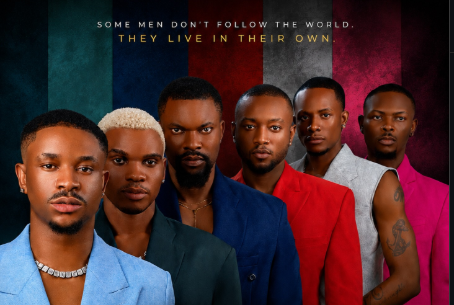
You might not know him, but I bet you have seen My Siblings and I (2019), Everybody Loves Jenifa, or A Tribe Called Judah. The last two set records in the industry. A Tribe Called Judah was the first Nigerian film to make over ₦1 billion at the box office. Everybody Loves Jenifa did the same in only 19 days. His work on A Tribe Called Judah got him a nomination for “Best Movie Writer” at the 2024 AMVCA’s. YNaija magazine also named him one of the “Top 100 Most Impactful People in Film” in 2025.
These achievements show his talent and his understanding of what modern Nigerians want in a story. Many of his works highlight the struggles of everyday Nigerians. In an interview with The Mosaic Magazine, he said this about his audience:
“Nigerians face challenges every day, yet they continue to dream, to laugh, to love, to survive…So I enjoy telling stories that reflect the Nigerian realities, because audiences connect to what they see on screen…they are happy because they get to know that they are not the only ones going through this.”
He also pointed out a big problem that hides many great Nigerian stories. He said, “the globally acclaimed projects in every industry often represent the best of what the industry can offer. But then there are many excellent Nigerian stories that do not receive visibility…So when people talk about Nigerians, a lot of Nollywood films do not meet their expectations.”
His focus on the audience explains why he often works with Funke Akindele, the award-winning actress and director behind “Jenifa.” Many Nigerians love that character. When asked why they work well together, he praised her for having a “deep, unusual understanding of them (her audience)” and how she “knows how to balance entertainment with emotion.” He also said her brand “is built for connecting with people,” making storytelling with her “both challenging and rewarding.” There is a lot to live up to, but viewers are sure to enjoy the experience.
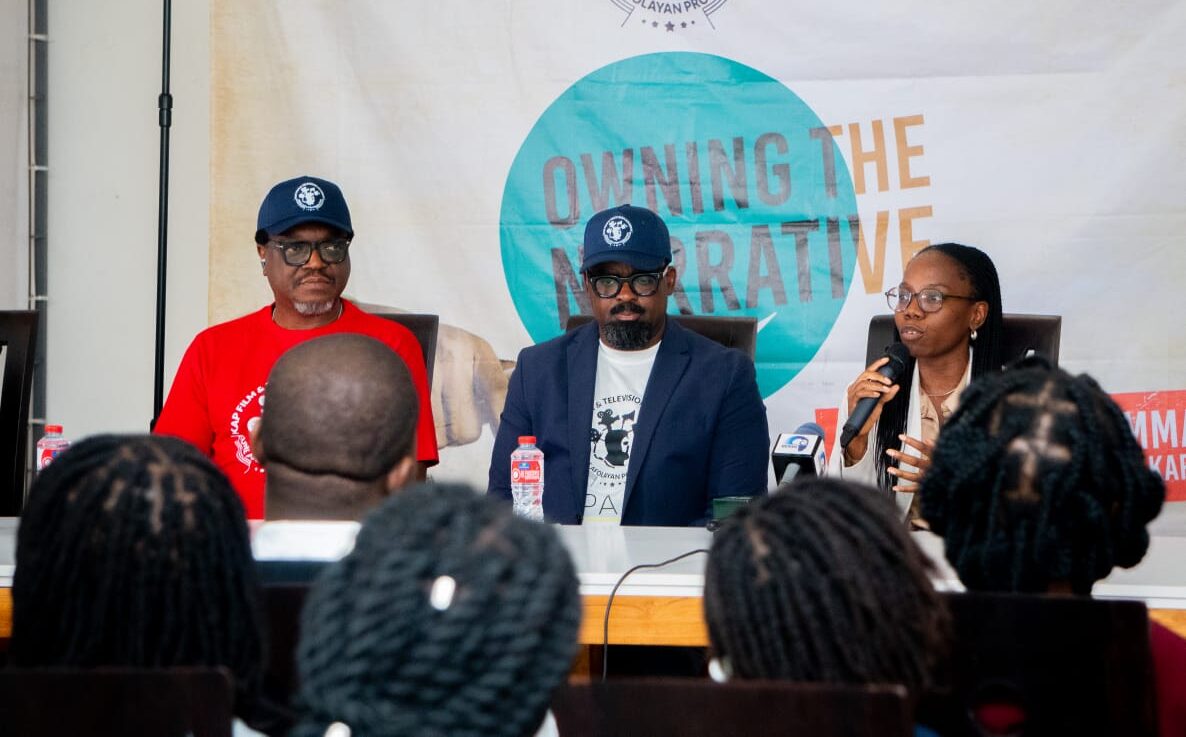


But do young people really enjoy it? Many believe that most Nollywood films are not good, especially in storytelling. Rather than dismiss this completely, Collins agreed that “every industry in the world, Hollywood, Bollywood…produces work of varying quality.” This is true for Nollywood, which is still growing both culturally and financially.
He repeated his point about the hidden potential of many Nigerian stories. “the globally acclaimed projects in every industry often represent the best of what the industry can offer. But then there are many excellent Nigerian stories that do not receive visibility…So when people talk about Nigerians, a lot of Nollywood films do not meet their expectations.”
This shows a big gap in the industry. As we aim for higher quality and more careful storytelling, we must ensure our stories reach the right people. This is especially vital if we want to change how younger generations view creative work.
The new face of Nollywood also shows in its audience. Okoh called young people the “most story-literate generation that has ever existed.” He believes they know authenticity and have little patience for shallow stories. Their influence is clear not only in the stories told but also in how they watch them. The rise of streaming platforms has opened doors for deeper stories and longer character arcs. Filmmakers can now try new things outside traditional cinema. For Okoh, these changes show an audience that is more sophisticated, curious, and willing to engage with stories.
As the audience becomes more aware, he pointed out the trend of proper credit and payment, especially for writers. He thinks the push against past issues shows a “maturing” industry that understands the value of creative work.
Collins Okoh is more than just a successful screenwriter. He represents the changing industry. His dedication and desire to be “a writer who helped elevate the quality of storytelling” inspire others to believe Nigerian stories can be told “at the highest level.” This reflects what we now see in the “new Nollywood”, ambitious, aware, and proudly Nigerian.
Drop your comment
No comments yet — be the first to drop the gist 👇