Community-based early childhood education centres are showing promise as a way to tackle Nigeria’s out-of-school children issue. This is especially true in rural areas where insecurity and high transportation costs stop young kids from accessing formal education.
This idea started with the Development Research and Projects Centre (dRPC) in Kano and Jigawa states. It involves setting up small, community-run centres where children can learn through play, close to their homes.
Nigeria has struggled to improve access to early childhood education. The 2026 Global Education Monitoring (GEM) Report by the United Nations Educational, Scientific and Cultural Organisation (UNESCO) shows that since 2015, Nigeria has not made any progress in getting more children to attend early childhood care and development (ECCD) programs.
The dRPC pointed out that the report, launched on 25 March, indicates Nigeria is not on track to meet its 2030 education goals. The group said this situation shows a need for new ways to reach children who cannot go to regular schools, especially in areas facing insecurity.
Insecurity and School Costs
Nigeria is still facing big challenges in education, like poverty, insecurity, and unequal access to schools. The United Nations Children’s Fund (UNICEF) estimates that around 10.5 million Nigerian children aged five to 14 are out of school. Only 35.6 percent of children aged 36 to 59 months are receiving early childhood education.
UNICEF also pointed out that economic problems and insecurity, especially in northern Nigeria, are major barriers to education. In the North-west region, attacks by armed groups and school kidnappings have forced authorities to close schools in some areas. This situation disrupts learning and keeps children from safely getting to classrooms.
The dRPC reports that high transportation costs and worries about safety have led many parents to keep their children under five at home instead of sending them to faraway schools. The situation is particularly worrying in states like Katsina, Zamfara, and Kebbi, where insecurity has interrupted education in rural areas.
How the Centres Operate
The dRPC said the initiative began in 2018. They helped 43 young women, who finished secondary school, to set up community-based ECCD centres. The organisation trained these women in skills like entrepreneurship, school management, child safety, first aid, and play-based learning.
They also provided learning materials, toys, colouring supplies, and textbooks that match Nigeria’s national Integrated Early Childhood Care and Development curriculum. To set up the centres, the women received start-up funds to renovate spaces in their homes and communities.
The dRPC has kept supporting them by replacing learning materials and improving their facilities over the years. Unlike regular primary and secondary schools, which need more infrastructure and teachers with higher qualifications, community-based early childhood centres can be set up with fewer resources.



The model focuses on play in learning, allowing young children to develop skills through age-appropriate activities. The dRPC claims this initiative has helped thousands of children finish early childhood education and move on to Local Education Authority (LEA) primary schools. Some communities have even helped expand the centres into primary and secondary education.
Interest from Other States
The dRPC said their work has caught the attention of state governments looking for practical ways to grow early childhood education. The Kano State government has recognised, supported, and registered these community-based centres.
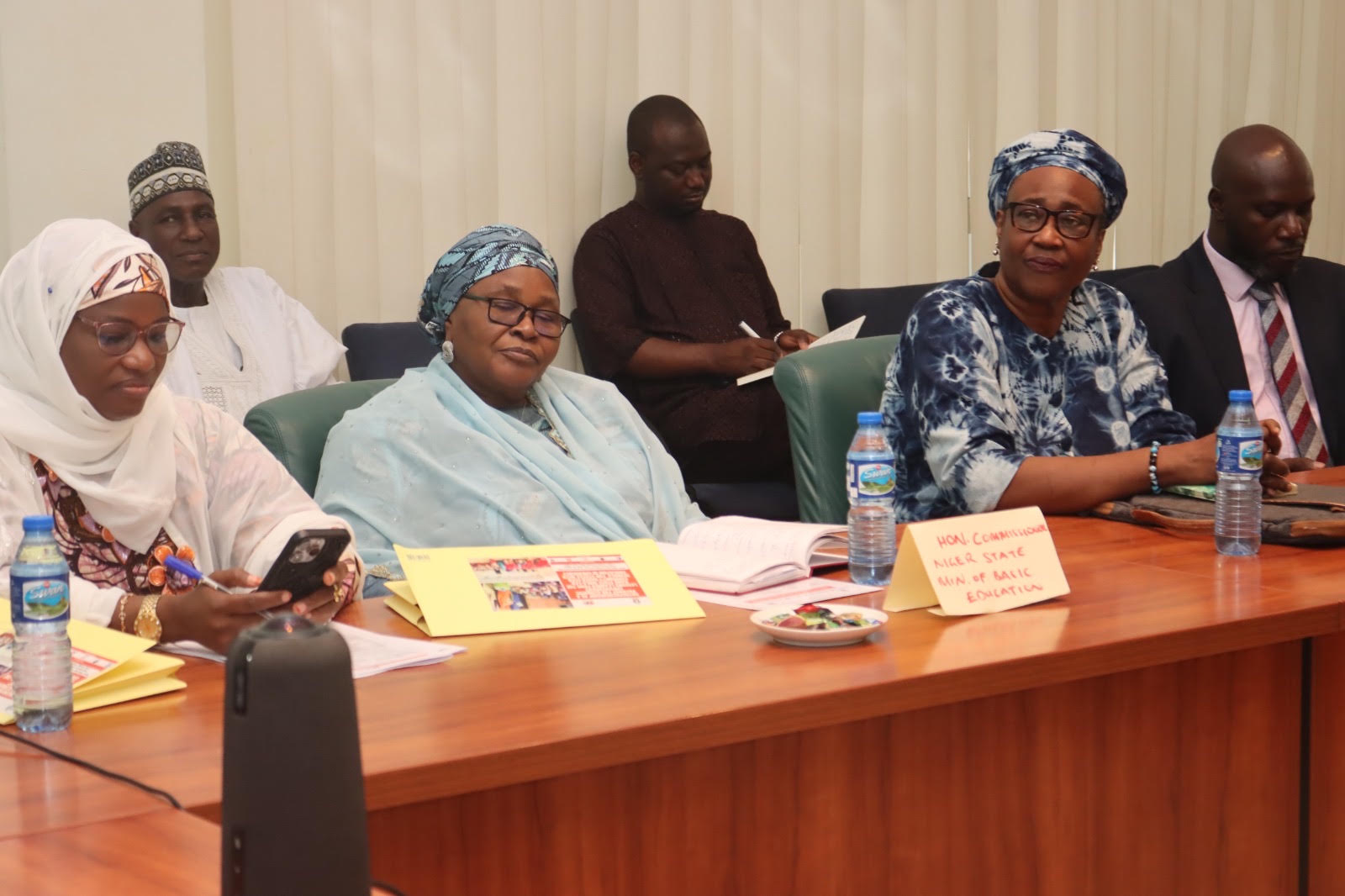
They also mentioned that Kano State supports the Girls-Led, Community-Based ECCD model. Permanent secretaries from Kebbi, Niger, Borno, and Benue states have asked for help to copy this approach. The model is also being looked at as a way to help kids in conflict-affected areas, where children may face displacement and disrupted education due to insecurity.
The dRPC said these centres could give young children access to trusted caregivers and teachers in their communities. They would also provide places for play and early learning.
But to grow this initiative in other states, consistent funding, proper training, safety measures, and effective monitoring will be needed to ensure that children get quality education in safe spaces.
Expansion Framework
Nigeria already has a policy framework that can help non-state education providers grow. The National Policy on Non-State Schools was accepted by the National Council on Education in October 2024 and officially launched in Abuja on 16 July 2025 under the Federal Ministry of Education.
This framework gives a policy context for working with education providers outside government schools. The dRPC believes its experience shows how communities can fill gaps in educational access by creating centres that are affordable and meet local needs.
With Nigeria facing ongoing challenges to get children into school, the organisation says this model could be copied all over northern states, especially in areas where insecurity and distance make regular schooling hard. The real task is turning interest from state governments into real action and ensuring that community-based centres work alongside the formal education system.


Drop your comment
No comments yet — be the first to drop the gist 👇