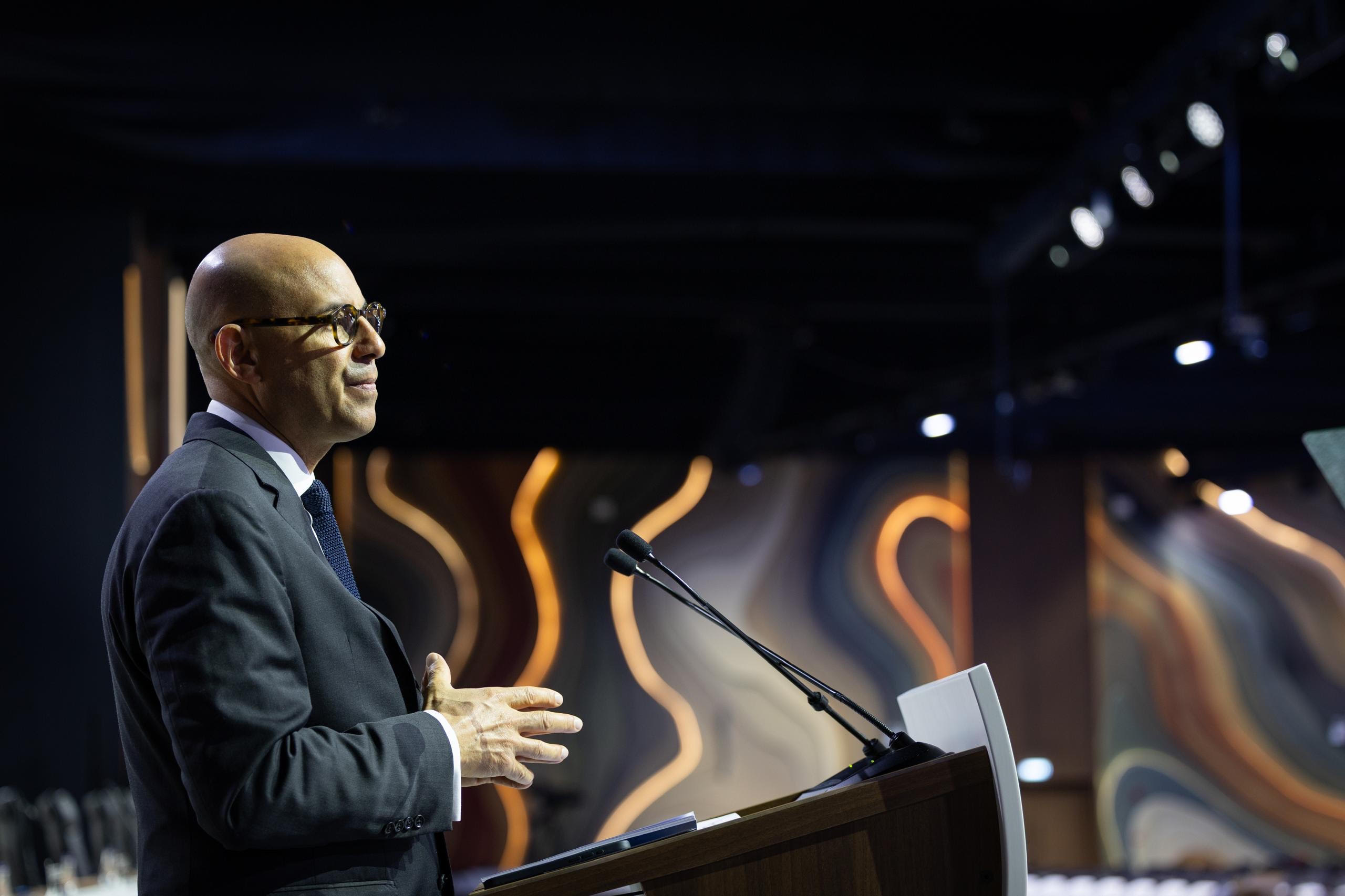
The 31st United Nations Climate Change Conference (COP31) started in Antalya, Türkiye, on Monday. There are strong calls for countries to turn their climate promises into real action and give enough money to help vulnerable communities.
Murat Kurum, the conference president, said it is time to go beyond just making agreements and declarations. He mentioned that the summit must bring real improvements to people’s lives. This is especially important as climate change continues to threaten food security, health, jobs, and economic stability.
During the opening ceremony, Mr Kurum called this conference an "Implementation COP." He stressed that countries need to work together, even with rising geopolitical tensions, economic uncertainty, and other global issues.
He warned that climate change cannot be seen as a separate issue from problems like conflict, debt, food insecurity, and unequal access to finance and technology. "Each crisis makes the others worse," Mr Kurum said.
He pointed out that the summit should aim to close the gap between the commitments made during international talks and the challenges faced by communities already feeling the impact of climate change.
The two-week conference comes as many worry about the slow pace of global climate action and whether countries can meet the Paris Agreement goal of limiting global warming to 1.5 degrees Celsius above pre-industrial levels.
Mr Kurum reiterated that this target should guide international climate action. He said it "remains our guide" and that countries need to be honest about the demands of climate science.
A report from the World Meteorological Organisation, released on Monday, showed that the last 12 years have been the hottest on record. The last four years stand out as the four warmest years ever.
The organisation warned that rising ocean temperatures, record sea levels, and more severe weather events are putting millions of lives and livelihoods in danger.
Mr Kurum said meeting climate commitments will need more investment in renewable energy, electricity infrastructure, energy storage, clean transport, and energy efficiency. He highlighted Türkiye’s 35-by-35 Global Electrification Pledge. This aims to raise electricity’s share of final energy consumption to 35 percent by 2035.
He also urged countries to back their climate promises with proper financing. He reminded everyone of an agreement made at COP29 in Baku. Developed countries promised to mobilise at least $300 billion each year for developing countries by 2035.
The agreement also called for raising climate finance from all sources to at least $1.3 trillion each year. "Now our promises must be backed by capital. That capital must fund investment. And that investment must deliver results," he said.

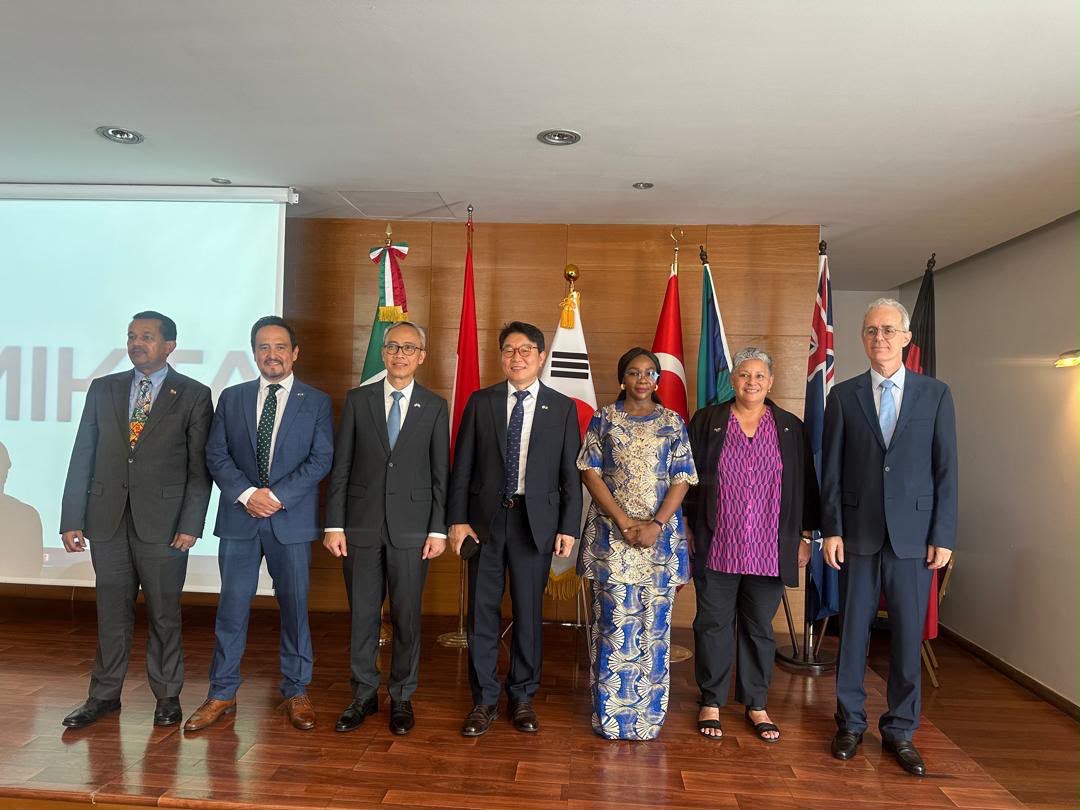
Chris Bowen, COP31 President of Negotiations, said the conference is a chance to show what international cooperation can do for climate action and global energy security. He said discussions will focus on unlocking finance and investment, speeding up electrification, and strengthening action on oceans.
"COP31 must help close the gap between commitment and delivery, and focus on real-world outcomes, investment, infrastructure, jobs, energy security and resilient communities," Mr Bowen said.
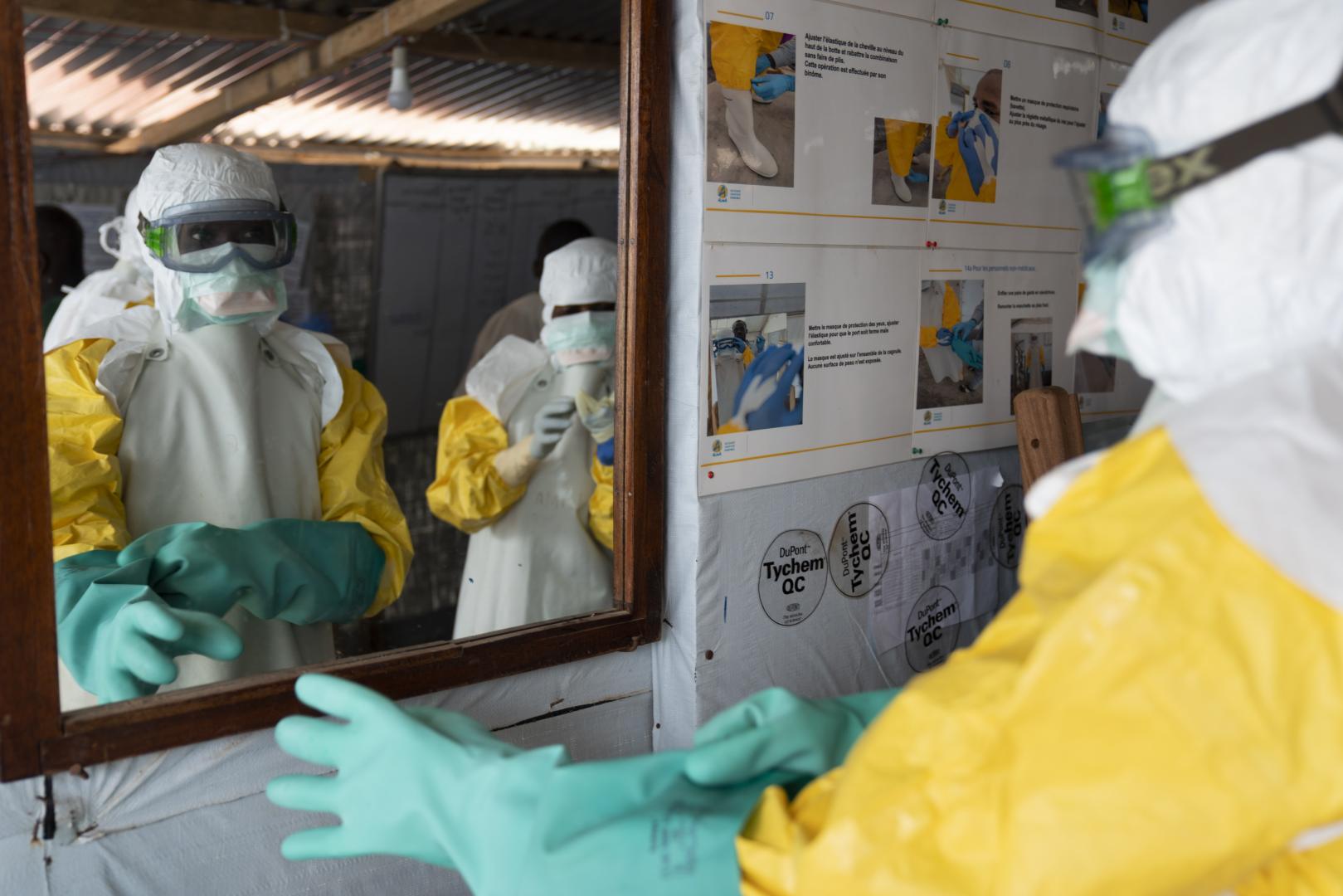
The first day will focus on food, agriculture, and health. This highlights worries about climate change affecting food systems, jobs, and public health. The programme will look at how countries can make agricultural and health systems stronger against climate threats.
One initiative being discussed is the Antalya Initiative for Resilient Health Systems. This was launched by the COP31 Presidency, together with Türkiye’s Ministry of Health, the World Health Organisation, and the Alliance for Transformative Action on Climate and Health.
This initiative aims to help countries boost their health systems to prepare for, adapt to, and respond to climate-related health risks. Discussions will also cover the challenges farmers face, especially women and young people, in getting the resources they need to deal with climate change.
A high-level dialogue on women farmers will be held by the COP31 Presidency, the International Fund for Agricultural Development, and Türkiye’s Ministry of Agriculture and Forestry. They will look at the barriers to climate finance and introduce a joint report titled ‘The Unfunded Half.’
Another dialogue will involve young farmers, the Food and Agriculture Organisation of the United Nations, and the COP31 Presidency. They will discuss the role of young people in changing agricultural, water, and food systems.
Meanwhile, Simon Stiell, the United Nations Climate Change Executive Secretary, urged for quicker climate action. He warned that the economic effects of global warming and extreme weather are already affecting households and vulnerable communities.
He said renewable energy saved the global economy $265 billion in the first half of 2026. He argued that climate solutions can bring economic benefits while protecting the environment. "The urgency of this moment must drive us forward," Mr Stiell said, adding that COP31 must speed up solutions that turn climate targets into real results.
The conference will last until 20 November. It will have negotiations and high-level meetings in the Blue Zone. The Green Zone will provide a platform for businesses, civil society organisations, academics, and young people to show their climate solutions.

Drop your comment
No comments yet — be the first to drop the gist 👇