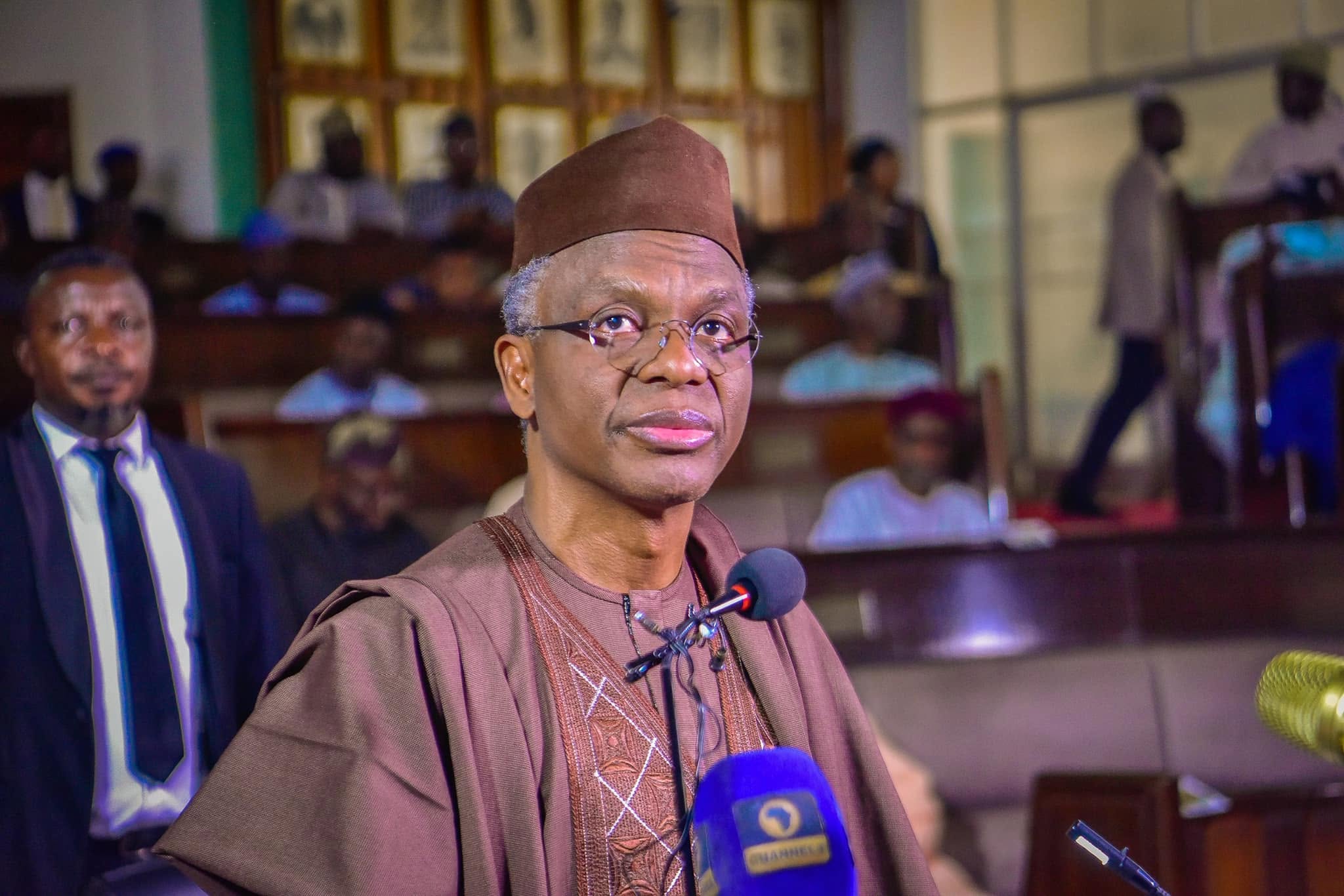
The Federal High Court in Abuja has thrown out a no-case submission made by former Kaduna State Governor Nasir El-Rufai. This is part of his trial over the alleged illegal interception of phone calls belonging to National Security Adviser Nuhu Ribadu.
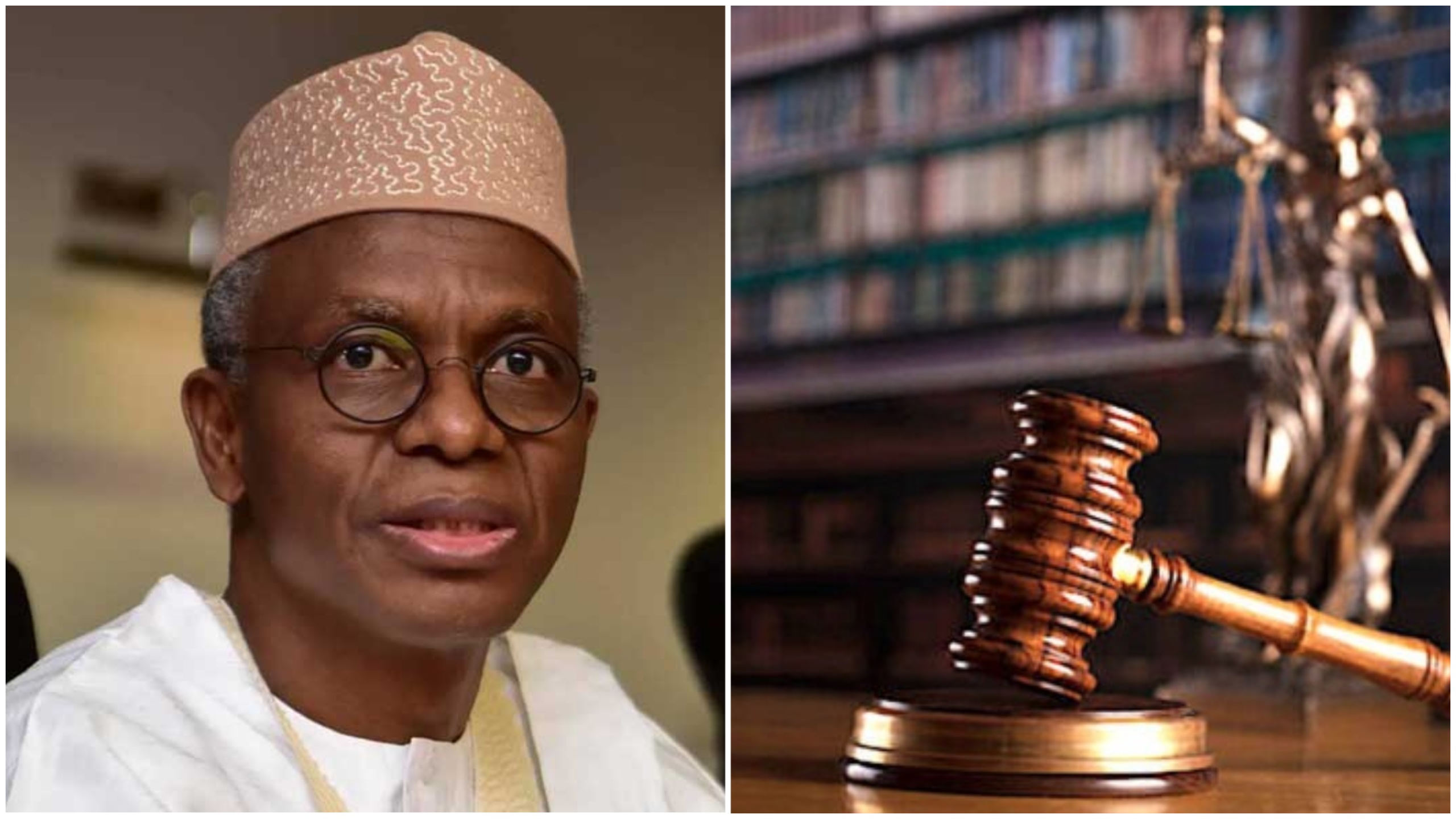
Judge Joyce Abdulmalik ruled on Monday that the State Security Service (SSS) provided enough evidence to make Mr El-Rufai enter his defence if he wants to.
The judge then ordered the former governor, who is the only defendant in this case, to enter his defence.
If a defendant does not enter a defence, the judge may have no choice but to decide the case based solely on the prosecution's evidence. This could affect the outcome for Mr El-Rufai.
Mr El-Rufai's lawyer, Akinyemi Aremu, argued that the prosecution did not present a solid case that required him to defend himself. But Oluwole Aladedoye, the SSS lawyer and a Senior Advocate of Nigeria (SAN), disagreed. He supported the prosecution's position.
Mr Aladedoye pointed out that the defence did not address Exhibit B. This exhibit supposedly includes Mr El-Rufai's admission about intercepting Mr Ribadu's phone calls.
Mr El-Rufai, who has been held by the Independent Corrupt Practices and Other Related Offences Commission (ICPC), insisted that the prosecution has built a strong case against him. He is now required to enter his defence.
The SSS charged Mr El-Rufai after he made comments during an interview on Arise Television. This was after a failed attempt to arrest him at Abuja airport in February.
Reports stated that SSS operatives tried to arrest Mr El-Rufai on February 12 when he returned from Cairo, Egypt. Although they could not arrest him, they took his passport.
The next day, during a live interview on 'Prime Time', an Arise Television show, Mr El-Rufai claimed that Mr Ribadu was behind the attempt to arrest him at Nnamdi Azikiwe International Airport, Abuja.
He said he knew this because he had listened to a wire-tapped call where Mr Ribadu instructed security agents to arrest him.
Following this interview, the SSS charged him with five counts related to the alleged illegal interception of phone calls and other allegations under the Cybercrimes (Prohibition, Prevention, etc.) Amendment Act 2024 and the Nigerian Communications Act 2003.
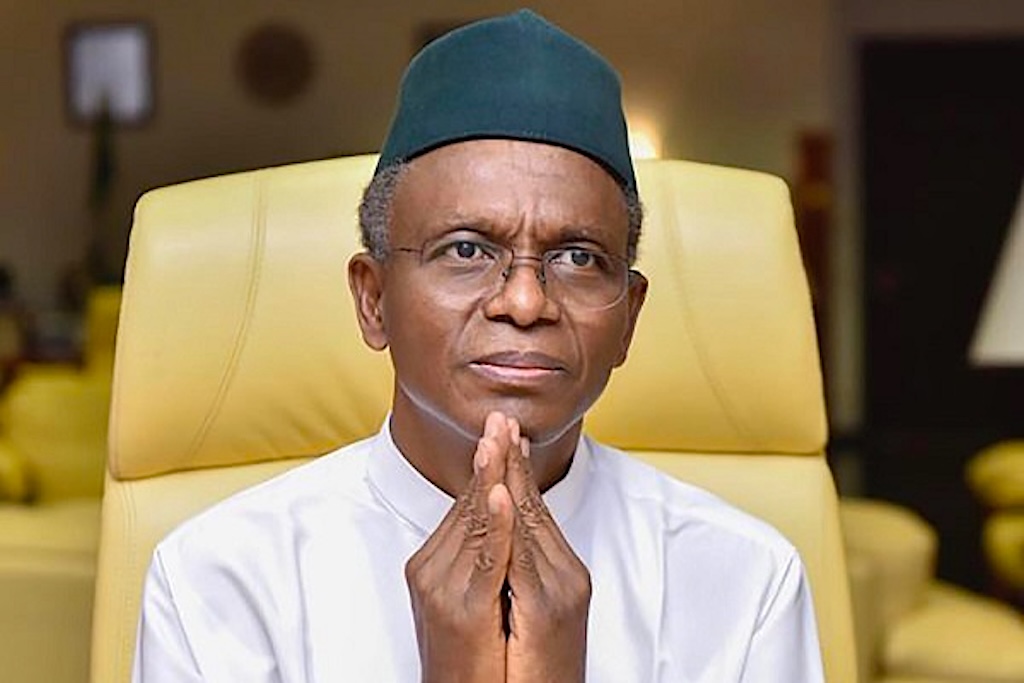
Mr El-Rufai pleaded not guilty to these charges when he was arraigned in April. The prosecution called two witnesses before closing its case in June.
The first witness was an SSS officer, known by the code name APC. He spoke about how the agency monitored and saved the recording of Mr El-Rufai's interview.
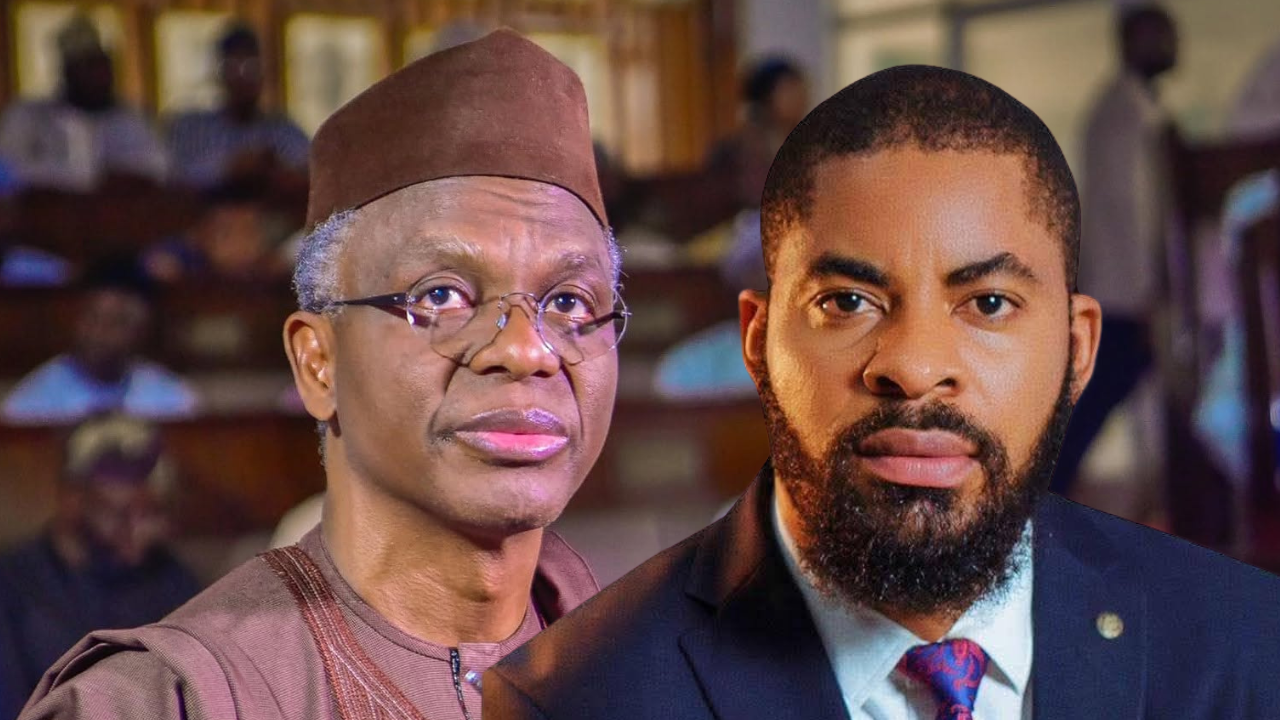
The prosecution also called lawyer and human rights activist Deji Adeyanju, who was present at the Arise Television studio during the interview. The court watched a recording of the programme.
Mr Adeyanju confirmed that the recording matched what he saw during the interview. Under cross-examination, he mentioned that he heard Mr El-Rufai say, "we listened to their calls."
But he admitted that Mr El-Rufai did not specifically say he tapped the NSA's phone himself. After presenting its evidence, the prosecution told the court it would not call any more witnesses and closed its case.
Once the prosecution closed its case, the defence submitted a no-case application. They asked the court to dismiss the charges without needing Mr El-Rufai to defend himself.
A no-case submission is when a defendant argues that the prosecution has not provided enough evidence to warrant a defence. Mr El-Rufai filed this submission, saying the prosecution failed to make a strong case against him.
The prosecution opposed this submission, claiming their evidence was enough to require him to respond to the allegations. In her ruling on Monday, Judge Abdulmalik agreed with the prosecution.
She rejected the defence's argument and stated that the evidence was sufficient for Mr El-Rufai to enter his defence. This means he now has to decide whether to contest the allegations.
Mr El-Rufai is also facing corruption charges by the ICPC in two different courts in Kaduna. These charges are related to his time as governor, which lasted eight years. He is also dealing with different human rights cases that have come up since his detention by the ICPC in February. Recently, he lost two of these cases.
Drop your comment
No comments yet — be the first to drop the gist 👇