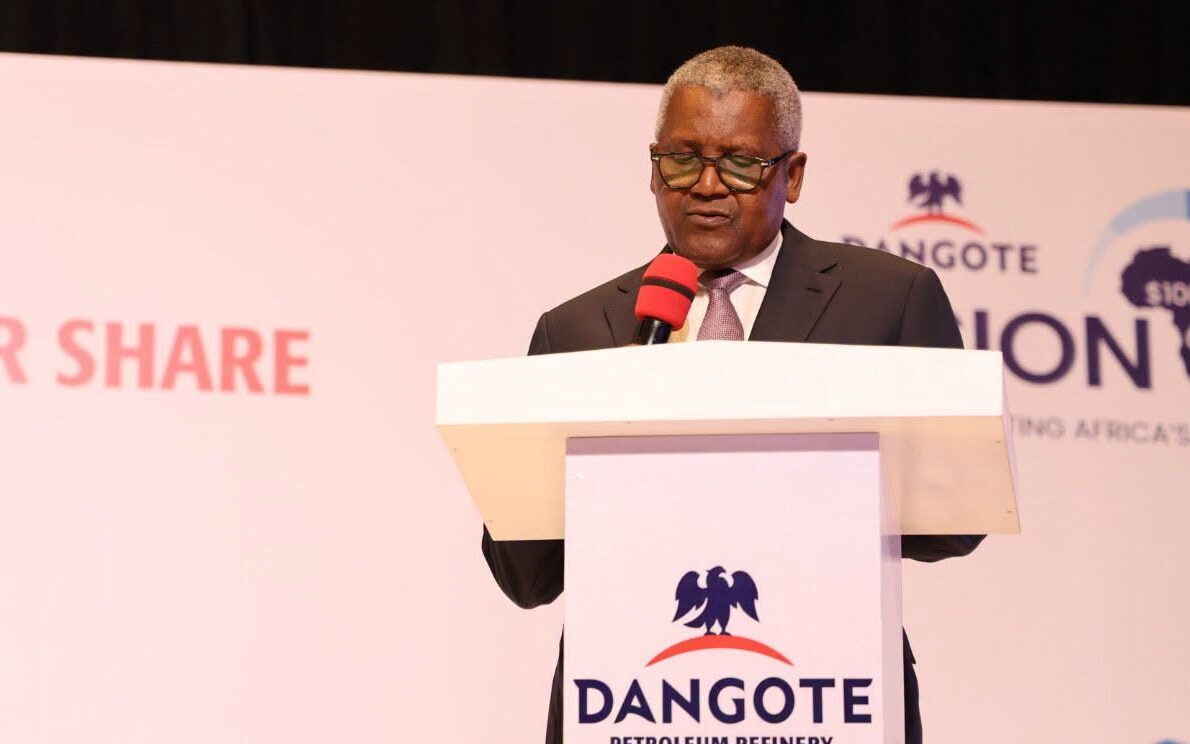
Africa’s richest man and CEO of Dangote Industries, Aliko Dangote, along with Kenya’s President, William Ruto, are about to kick off a $16 billion oil refinery in Lamu County, located on Kenya’s northern coast.
This project is facing protests and legal issues over land acquisition and compensation.
The Dangote East Africa Petroleum Refinery has raised worries among locals, activists, and economic experts about its environmental and social effects. There are concerns about displacing communities and whether landowners will get fair compensation.
Ahead of the groundbreaking ceremony, some residents took to the streets to demand better compensation for the land set aside for the project.
Farmers and residents from Chandavai have also gone to court, claiming forced eviction and damage to property without proper compensation or resettlement plans.
The petitioners believe the land for the refinery is part of their ancestral heritage and is crucial for their families' livelihoods.
In response to the legal issues, the Malindi Environment and Land Court ordered a temporary stop to construction activities until a hearing takes place.
Environmental activists are also questioning if the project followed the necessary public participation rules and environmental impact assessments required by Kenyan law.
According to the BBC, Mr. Dangote has dismissed the protests as tactics by local marketers and international competitors. He insists the refinery will continue as planned and be operational by 2030.
In an interview with the BBC’s Focus on Africa program, Mr. Dangote contested claims of unfair compensation. He stated his company only acquired the land needed from the portion made available by the government.
“To come and say some people are demonstrating, demonstrating about what? Have you ever seen people demonstrating against themselves in terms of development?” he asked, suggesting that the protests won’t stop the project.
Mr. Dangote mentioned that the refinery would create about 60,000 jobs at the peak of construction. He added that the benefits would reach beyond those directly working on the project.
“Are we going to bring robots? Of course, the people will benefit,” he said, as reported by the BBC.
The new refinery is expected to process 700,000 barrels of crude oil daily. This makes it one of Africa’s largest refining facilities and the biggest industrial project of its kind in East Africa.
The project is set to cost between $15 billion and $16 billion and is expected to take about three years to finish. It is modeled after Dangote’s 650,000-barrel-per-day refinery in Lagos, Nigeria.
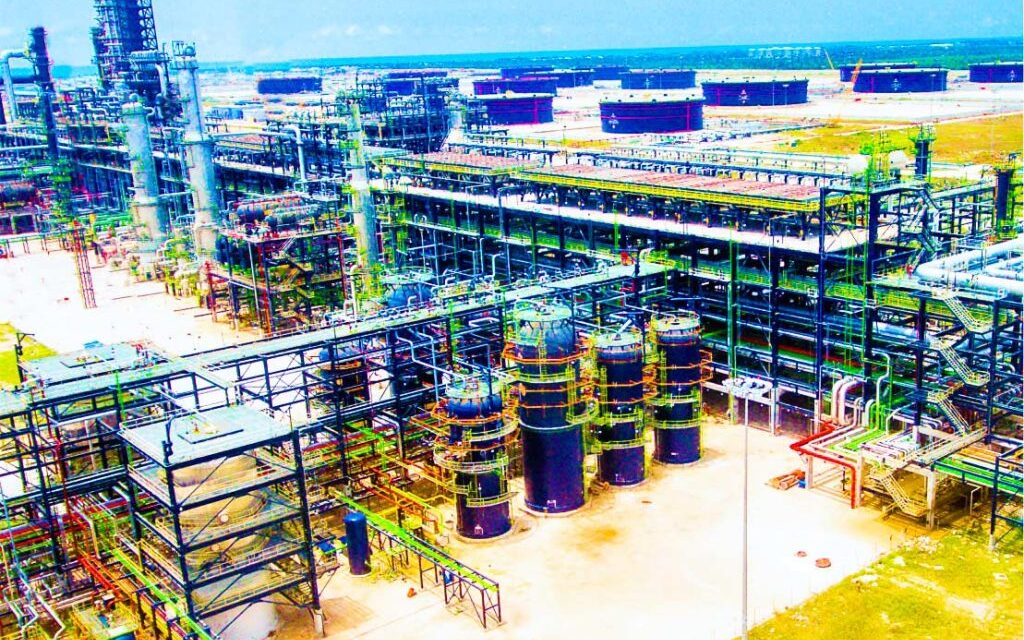
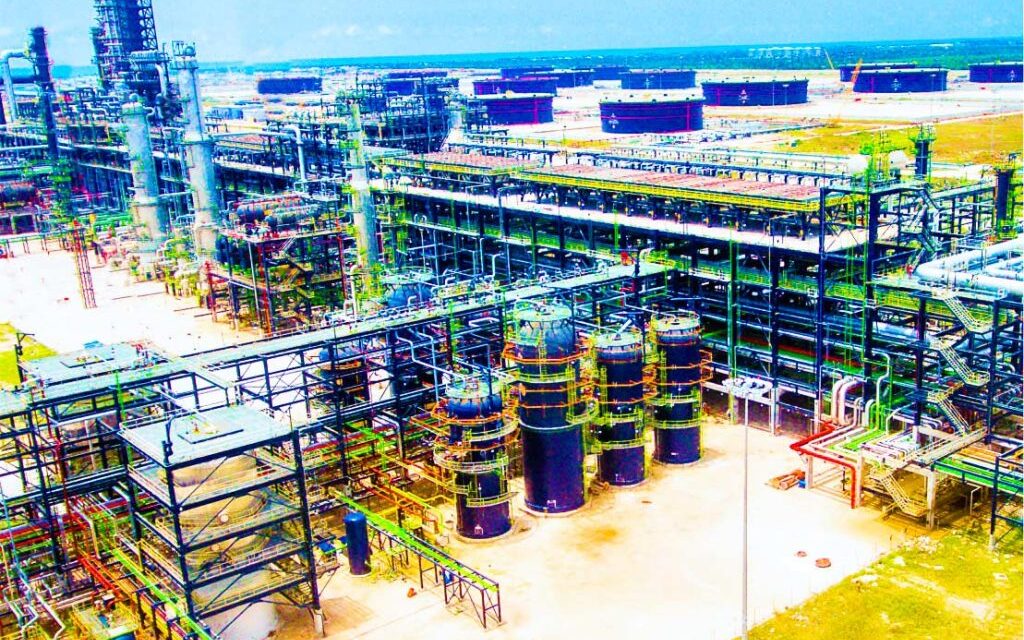
Once it is up and running, the facility is expected to supply refined petroleum products to Kenya, South Sudan, Uganda, Burundi, and the Democratic Republic of the Congo.
The investment has also raised questions about why Kenya was chosen for the refinery, considering it is not an oil-producing country. Some critics believe Tanzania or Uganda would be better choices, especially as both countries are working on plans to export crude oil through the East African Crude Oil Pipeline.
But Kenya’s Energy and Petroleum Minister, Opiyo Wandayi, told the BBC that the refinery won’t rely only on crude oil from the region.
“Refineries get crude oil from the market. And the market is open,” he said.
Mr. Dangote also defended the location choice, using Singapore as an example of a country that built a strong refining industry despite not producing oil.
“Singapore doesn’t produce a single drop of oil, yet they have a lot of refineries,” he said.
The refinery will also include a 1,000-megawatt power plant to supply electricity for its operations and support other industries that may arise in the area.
Mr. Dangote pointed out that unreliable electricity is a significant barrier to industrial growth in Africa, especially in resource-rich countries that export raw materials instead of processing them locally.
The Nigerian businessman has about $50 billion in projects planned, including plans for 10,000 megawatts of power generation across Africa by 2030, with the possibility of increasing the target based on demand.
The proposed Lamu power plant is expected to support the refinery and provide electricity for other industrial activities nearby.
This Lamu project is part of Mr. Dangote’s efforts to expand his investments across Africa. This follows the launch of his 650,000-barrel-per-day refinery in Lagos, which supplies petroleum products to both domestic and international markets.
The Kenyan refinery is also expected to lessen the region’s reliance on imported petroleum products. East African countries currently depend heavily on fuel imports, much of which comes from the Middle East. This exposes them to global supply disruptions and changes in crude oil prices.
However, the development of the refinery still relies on solving land acquisition disputes, compensation issues, and environmental concerns raised by affected communities and activists.

Drop your comment
No comments yet — be the first to drop the gist 👇