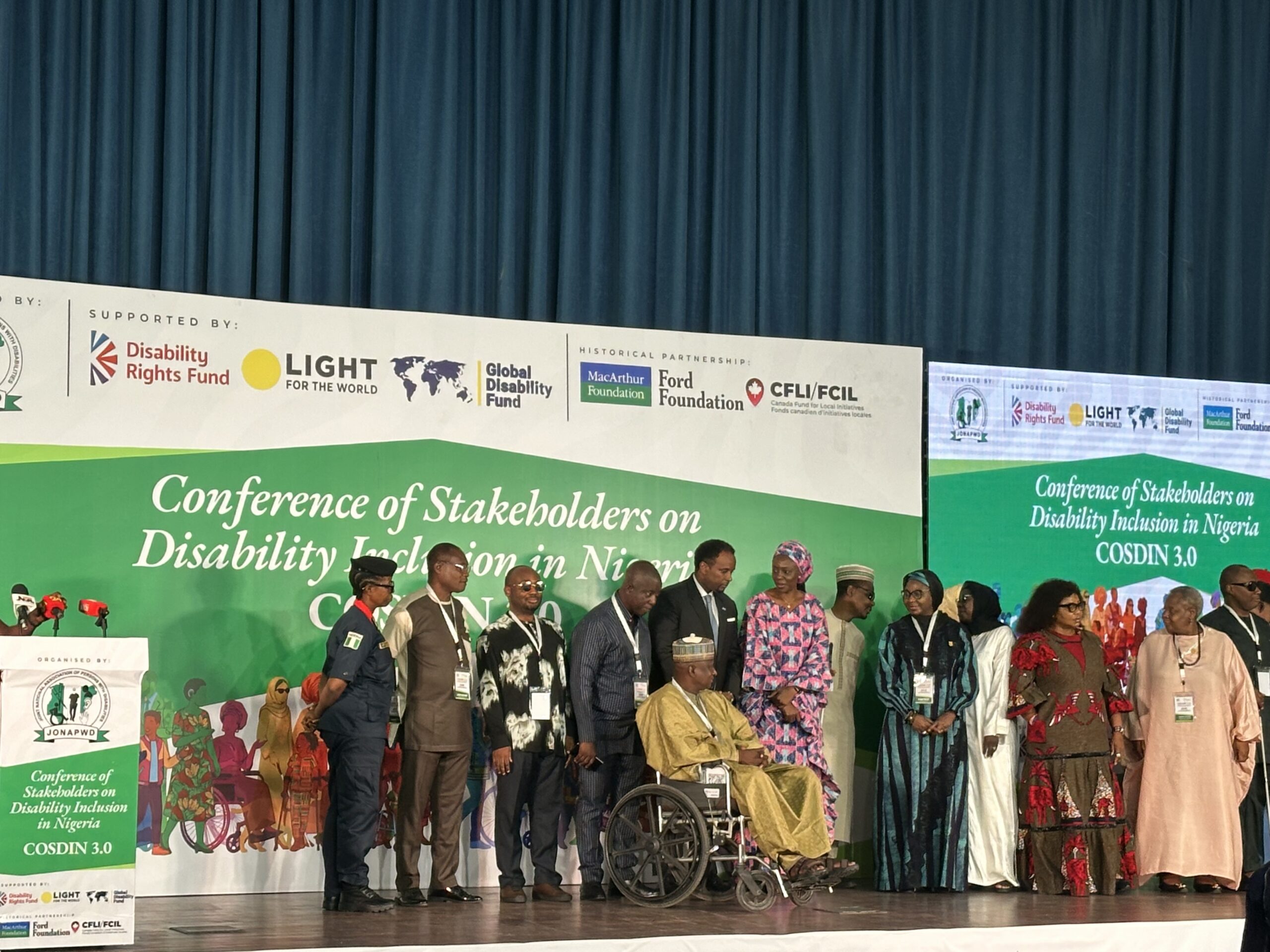
The Joint National Association of Persons with Disabilities (JONAPWD) has urged political parties and candidates running for office in 2027 to engage with people living with disabilities. They want commitments to policies that ensure their voices are heard in governance.
The association believes that people with disabilities should not just be part of the political process as voters but should also hold leadership roles and have a say in decisions that affect their lives.
JONAPWD President, Abdullahi Usman, made this statement on Tuesday during the third Conference of Stakeholders on Disability Inclusion in Nigeria (COSDIN 3.0). The theme of the conference was "Beyond Participation: Advancing Disability Leadership and Accountable Governance in Nigeria."
Mr Usman said that the disability community can impact the 2027 elections if they recognize their political strength and negotiate with political parties and candidates. "Any political party, any aspirant who wants the vote of persons with disabilities in this country needs to come and sit down with the community of persons with disabilities to tell us the promise you have for the inclusion of persons with disabilities in this country," he said.
He criticized political parties for treating persons with disabilities as mere symbols instead of giving them real chances to participate in decision-making.
Mr Usman also called for proper funding for the National Commission for Persons with Disabilities and similar state bodies. He said creating disability commissions without the necessary funds makes it hard to enforce the law.
Nigeria passed the Discrimination Against Persons with Disabilities (Prohibition) Act in 2018, which became law in January 2019. This law set up the National Commission for Persons with Disabilities to promote and protect the rights of people with disabilities.
However, Mr Usman pointed out that the law and the commissions have not led to real inclusion. He urged both federal and state governments to provide enough funding and improve accountability.
He insisted that people with disabilities should lead discussions about their rights and not let others speak for them. "Being a person with a disability only means that I cannot walk without crutches. It does not mean my brain also cannot work without crutches," he said.
In her keynote speech, the Deputy Director of MacArthur Foundation, Amina Salihu, said that passing the disability law was just the start of the fight. She warned that laws without accountability won’t change daily experiences.
She questioned how government bodies enforce the law and monitor compliance, ensuring that public resources align with their promises for disability inclusion.
Ms Salihu mentioned Section 29 of the Act, which requires that persons with disabilities make up at least five percent of the workforce in public organizations as a way to check implementation.

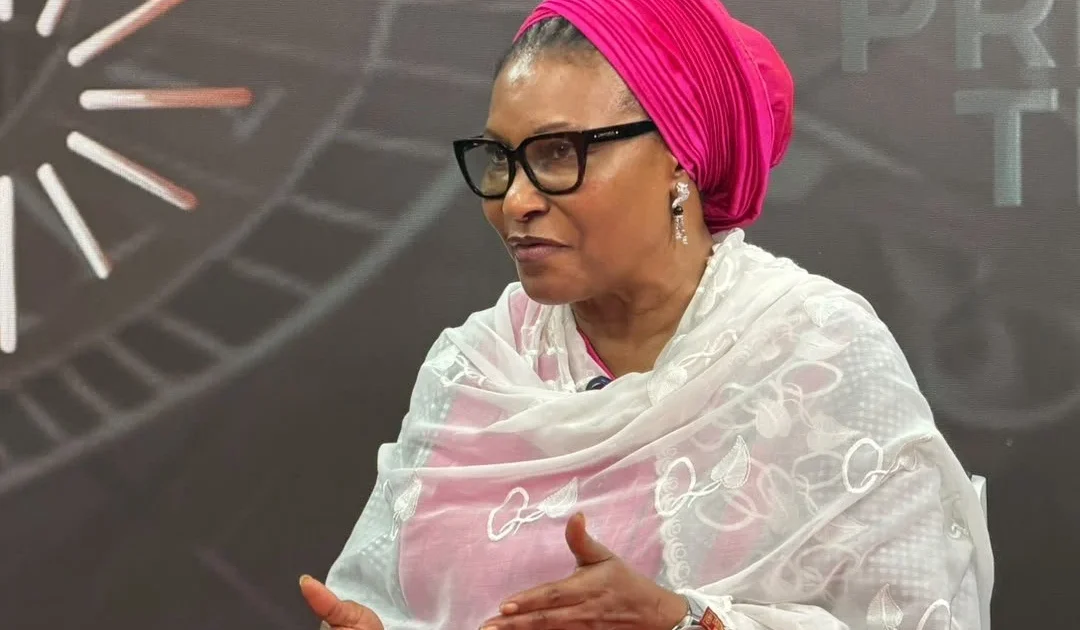
She also pointed out the challenges people with disabilities face in getting jobs, healthcare, and using public facilities. This includes a lack of sign language interpreters during job recruitment and inaccessible public buildings.
"The law is really the floor and not the ceiling of our ambition," she said, emphasizing that government agencies should show real improvements rather than just rely on policies and announcements.
She further called on disability organizations to strengthen their internal accountability and ensure that women, young people, and other marginalized groups within the disability community have a say in decisions.
Likewise, Yunusa Ya’u, convener of the Nigeria Civil Society Situation Room, said that setting up disability commissions in various states is not enough without ongoing advocacy and action.
He urged people with disabilities to create an inclusion agenda for the 2027 elections and use it to engage with political parties and candidates. "If people with disabilities do not participate, then we would always have a deficit between promises and actual implementation," he said.
Mr Ya’u argued that people with disabilities can best identify and tackle the challenges they face, making their involvement in governance crucial.
Meanwhile, Omar Alihashi, head of Political Affairs at the Canadian High Commission in Nigeria, said political inclusion should go beyond just voting. It should include contesting elections, influencing policies, and holding public office.
He reaffirmed Canada’s support for Nigerian organizations that work to promote disability rights and improve democratic participation.
Abimbola Oyelohunnu, a program officer for social development at the ECOWAS Commission, also called for investment in technology, collecting disability data, training, and identifying children with disabilities early.
She urged governments to understand the financial strain on families caring for children with disabilities and to include this care in social protection policies.

Drop your comment
No comments yet — be the first to drop the gist 👇