The news of an Ebola case in Abuja, Nigeria’s capital, has raised alarms in the country’s health system. This comes 12 years after Nigeria managed to control an outbreak that took eight lives.
The latest case is a woman who just arrived in Nigeria from Uganda and is now receiving treatment in isolation. Health officials have found 44 people who came into contact with her and have started tracking and monitoring them to stop any further spread.
Even though the authorities are acting quickly, this situation has brought back fears about Ebola, one of the deadliest diseases known.
Reports link this outbreak to the Bundibugyo virus, a type of Ebola virus that currently has no licensed vaccine. However, PREMIUM TIMES could not confirm which specific Ebola virus is behind the case in Abuja.
Ebola is a serious infectious disease that can lead to death without quick medical help. It is crucial to understand how the virus spreads, what its symptoms are, and how to protect oneself.
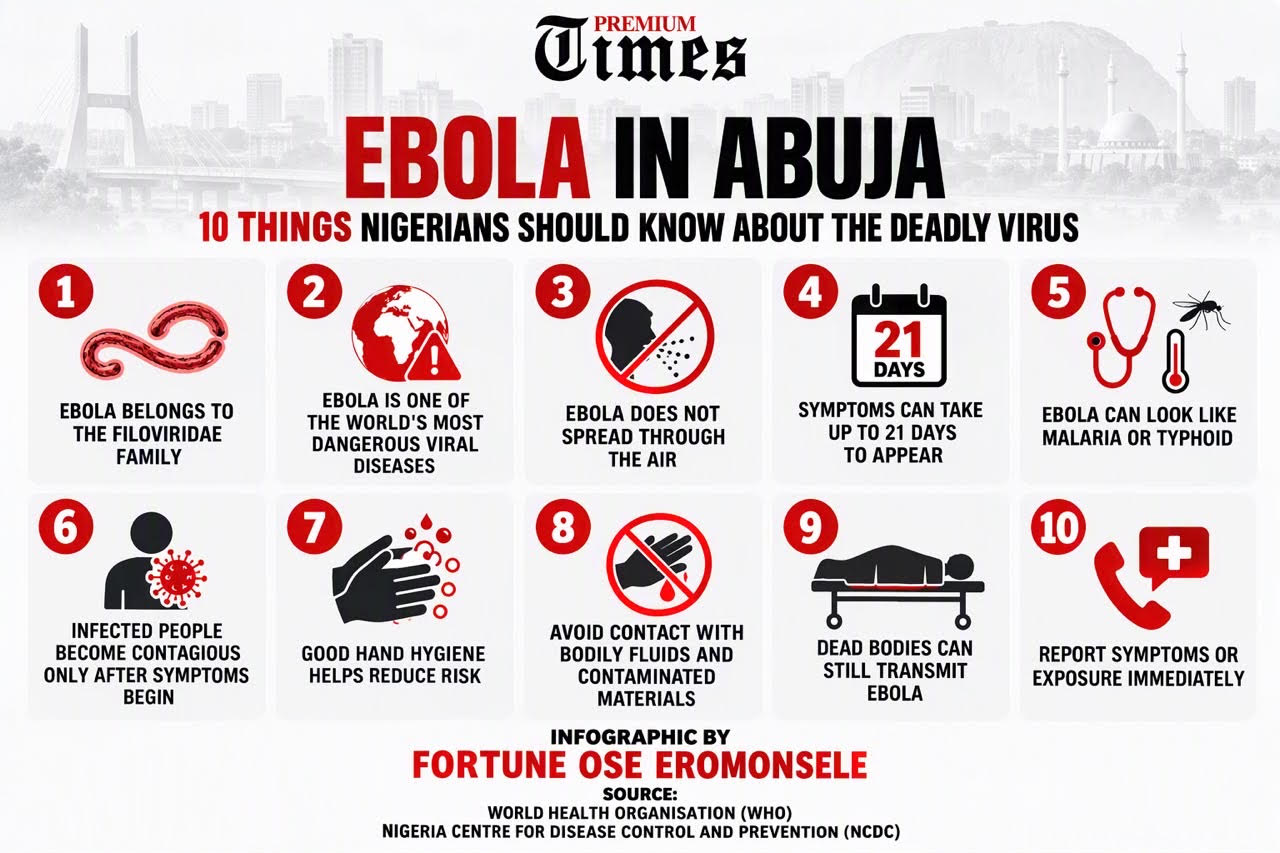
Here are 10 things Nigerians should know.
1. Ebola is part of the Filoviridae family
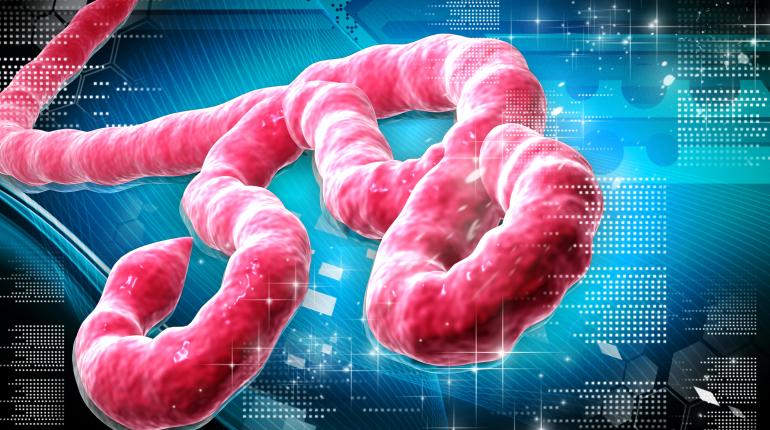
Ebola disease comes from viruses in the Orthoebolavirus genus, which is part of the Filoviridae family, known as filoviruses. Several species can make humans sick, including Ebola virus, Sudan virus, and Bundibugyo virus. This distinction is important because vaccines and treatments may not work the same for every species.
2. Ebola is one of the most dangerous viral diseases
This disease can cause severe illness that affects many organs. Fatality rates in past outbreaks have ranged from 25 to 90 percent. But if patients get early diagnosis, rehydration, and medical care, their chances of survival increase.
3. Ebola does not spread through the air
Unlike COVID-19, flu, and other respiratory illnesses, Ebola is not airborne. People get infected through direct contact with blood, vomit, saliva, urine, faeces, or other body fluids from someone who has the disease. The virus can also spread through contaminated clothing, bedding, or medical tools.
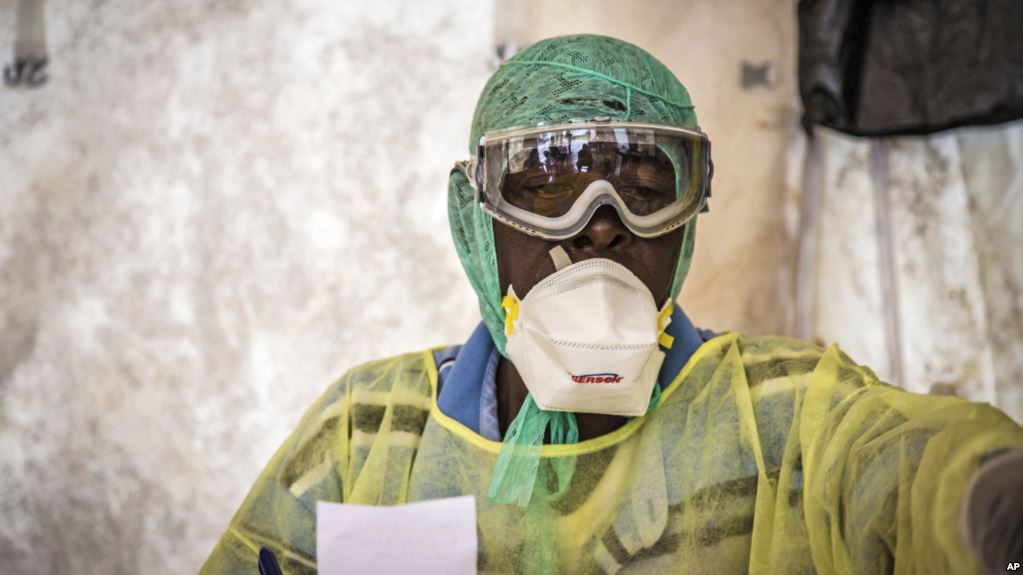

4. Symptoms can take up to 21 days to show
The World Health Organisation (WHO) says symptoms can develop between two and 21 days after exposure. Early signs include fever, weakness, headache, muscle pain, and sore throat. As the illness gets worse, vomiting, diarrhoea, and sometimes bleeding can happen.
5. Ebola can resemble malaria or typhoid
One problem with spotting Ebola is that its early symptoms look like those of common diseases like malaria and typhoid fever. This is why healthcare workers depend on lab tests, travel history, and contact history to confirm suspected cases.
6. Infected people only become contagious after symptoms start
A person who has been exposed to Ebola cannot spread the virus until symptoms appear. Once they become ill, the risk of spreading the virus through body fluids increases a lot. This is one reason health authorities watch exposed contacts for 21 days.
7. Good hand hygiene reduces risk
Washing hands regularly with soap and water is one of the easiest and most effective ways to prevent infection. Alcohol-based hand sanitizers can also help when needed. Health officials are urging Nigerians to keep good hygiene and stay alert.
8. Avoid contact with body fluids and contaminated materials
People should not touch the blood, vomit, urine, faeces, or other body fluids of anyone suspected of having Ebola. Soiled clothes, bedding, and medical materials may carry the virus and should only be handled by trained workers with proper protective gear.
9. Dead bodies can still transmit Ebola
The virus can stay active in the bodies of people who die from the disease. Traditional burial practices that involve washing or touching corpses have helped spread the virus in past outbreaks. Health officials recommend that trained teams handle the burial of suspected or confirmed Ebola victims.
10. Report symptoms or exposure right away
Anyone who feels symptoms after possible exposure should contact public health authorities immediately and seek medical help. People identified as contacts should cooperate with monitoring teams, give accurate information, and report any symptoms promptly. Early reporting can save lives and help stop further spread.
For now, health officials are asking people to stay calm and not panic. Nigeria’s successful handling of the 2014 outbreak showed how effective quick case detection, isolation, contact tracing, and public cooperation can be. As officials deal with the Abuja case, those measures are still Nigeria’s best line of defense against further transmission.



Drop your comment
No comments yet — be the first to drop the gist 👇