Nigeria’s main anti-corruption agency, the Economic and Financial Crimes Commission (EFCC), has recovered $60 million from Nestoil Limited, an oil and gas company.
This recovery is a big step towards settling the long-standing debt issues between Nestoil and a group of lenders.
Sources told PREMIUM TIMES that at a meeting led by Olanipekun Olukoyode, the EFCC's chief, Nestoil and the banks agreed on a payment plan to pay back some of the debt owed.
Reports show that this engagement has started yielding results, with $60 million recovered from Nestoil and paid to the lenders during the EFCC investigation and follow-up meetings.
Oguzi Moses, who heads the investigation at EFCC’s Lagos Zonal Directorate 2, was involved in facilitating the payment.
The lenders welcomed this payment as a good sign but noted that it is just the first step, as Nestoil still owes a lot of money.
EFCC spokesperson, Dele Oyewale, did not respond to calls for comments on the situation. But a senior official from the agency, who preferred to stay anonymous, confirmed the recovery. He said the EFCC got involved due to the economic impact of the case on Nigeria.
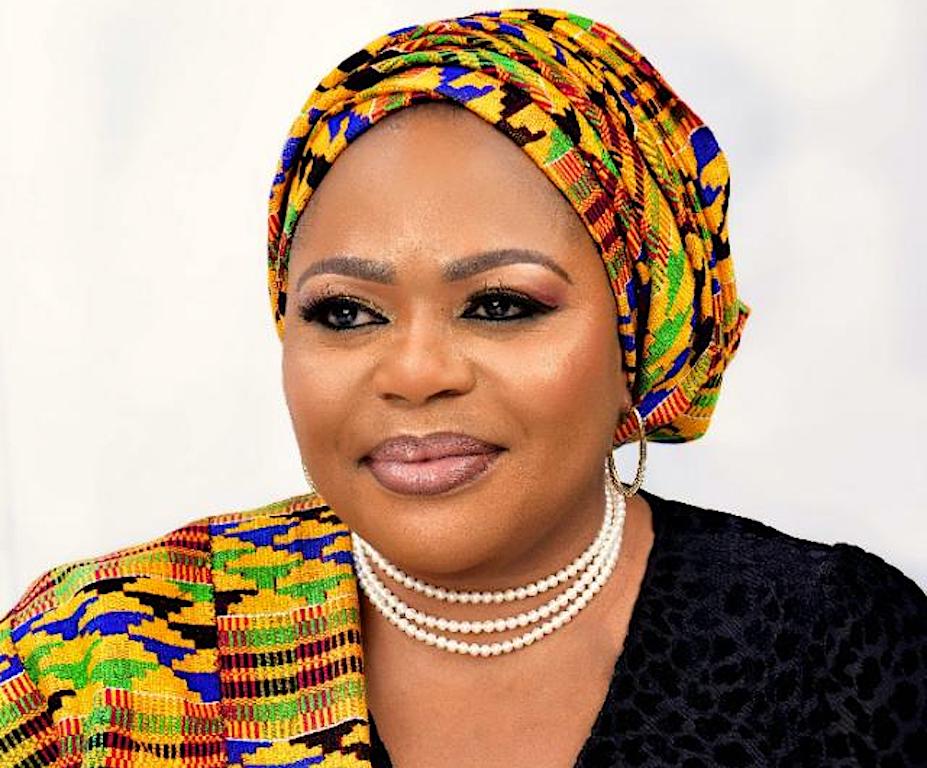
Nnenna Azudialu-Obiejesi, executive director at Nestoil, also did not return calls from our reporter.
Background: Nestoil vs Lenders
This partial recovery is a significant move in a tough legal fight between Nestoil and the banks over unpaid debts.
The dispute has strained their relationship and affected the loan portfolios of some major Nigerian banks.
The disagreement reached the Supreme Court in June, which annulled a previous order by the Court of Appeal that froze Nestoil's and its affiliate, Neconde Energy's, assets.
The lawsuit is an effort by FBN Quest Merchant Bank and First Trustees Limited to recover over $1 billion and N430 billion that Neconde and Nestoil owe, including debts owed by their key promoters, Azudialu Obiejesi and Nnenna Azudialu-Obiejesi.
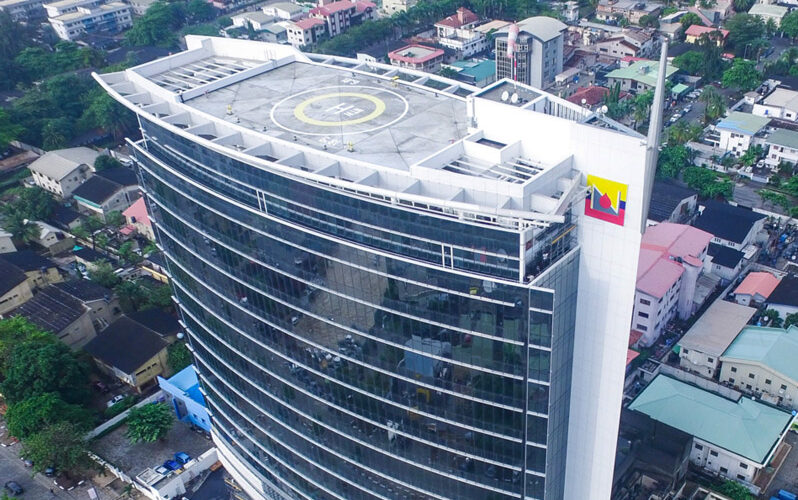
Last October, police sealed Nestoil’s headquarters in Lagos based on an order from Judge Dehinde Dipeolu of the Federal High Court. This order allowed FBN Quest Merchant Bank and First Trustees to seize Nestoil’s assets.
Justice Dipeolu issued several orders freezing the defendants’ bank accounts and shares in over 20 financial institutions in Nigeria.
The court also appointed Abubakar Sulu-Gambari (SAN) as the receiver/manager to take control of Nestoil’s headquarters and other identified assets.

After Nestoil complained about these actions, Chief Judge John Tsoho reassigned the case to a different judge.
On 20 November 2025, Judge J. Osiagor revoked the earlier order for receivership.
FBN Quest Merchant Bank and First Trustees appealed this decision on 22 November 2025.
In November 2025, the Court of Appeal granted an order in favor of the financial institutions, reversing Judge Osiagor’s decision. This order stopped Nestoil and Neconde from obstructing the receiver/manager until the appeal hearing.
In January, the Supreme Court told all parties to return to the Court of Appeal to sort out a major procedural issue regarding legal representation.
The Court of Appeal then disqualified Wole Olanipekun, Muiz Banire, and others from representing Neconde and Nestoil.
The court ruled that the receivership had taken away Azudialu-Obiejesi’s powers.
But in June, the Supreme Court said the appellate court went too far in issuing an order against the oil companies when the case was not properly before it.
They annulled the freezing order on Nestoil’s and Neconde’s assets.
Effect of Nestoil debt on banks
“Before the court action, Nestoil took several loan facilities from eight lenders starting from 2010 and failed to pay back,” the lenders said in a statement after the Supreme Court ruling.
“Nestoil later suggested restructuring these loans to form a Global Club to manage the debt. The lenders agreed, but Nestoil has again failed to pay since the restructuring began in 2023,” they added.
According to a May press release by the lenders, Nestoil’s alleged $2 billion distress loan has caused “a historic balance sheet reset” and “a lack of dividend payments” at some major Nigerian banks.
The statement mentioned First Bank, United Bank for Africa, and Access Bank among those impacted by Nestoil’s bad loans.
Drop your comment
No comments yet — be the first to drop the gist 👇