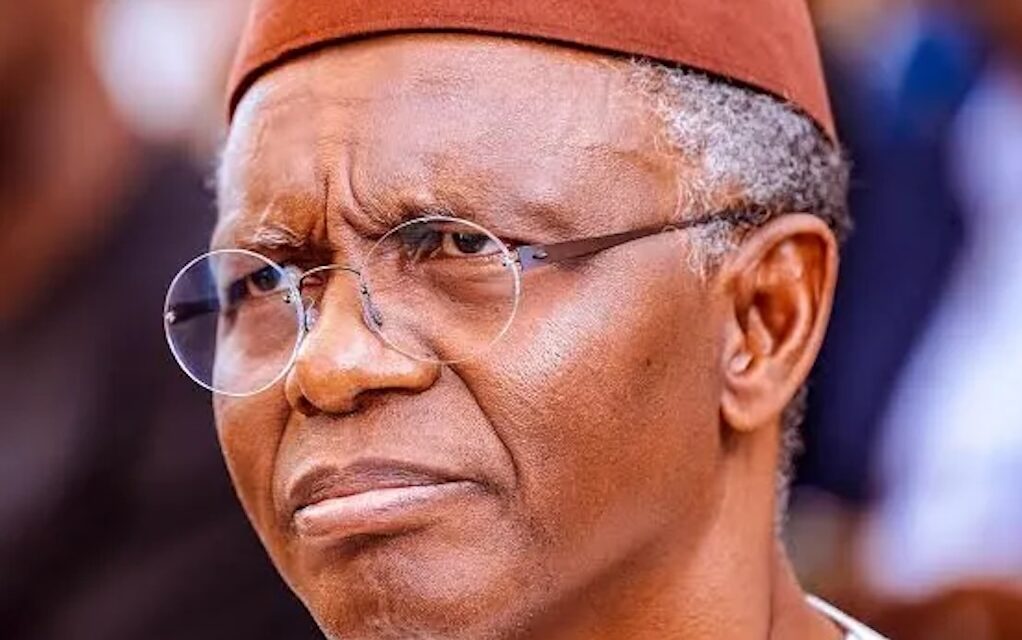
Former Governor of Kaduna State, Nasir El-Rufai, has denied claims made by the Independent Corrupt Practices and Other Related Offences Commission (ICPC). The ICPC accused him of misusing medical privileges and breaking a court order while in custody.
In a statement released on Wednesday by his media aide, Muyiwa Adekeye, El-Rufai said the anti-corruption agency twisted facts and laws. His legal team has asked the ICPC to take back its 7 July statement titled "El Rufai and Medical Doctor Abuse Privilege, Violate Court Order."
This statement aims to set the record straight regarding the inaccuracies in the ICPC's recent claims about El-Rufai. On 7 July 2026, the ICPC published a statement that does not match the reality that we will explain.
COURT PROCEEDINGS ON 6 JULY 2026
El-Rufai did not go to court on 6 July due to a medical issue previously known to the ICPC. A week before, his personal doctor, Professor Bello Abubakar, came to see him at the ICPC facility after talking to their doctor. Despite this, Professor Abubakar waited for over two hours and was not allowed to see El-Rufai. After this, the family officially asked that El-Rufai be taken to the National Hospital, Abuja, to see his doctor on 7 July at 5:00 PM.
The ICPC communicated this request to the National Hospital days before informing the family of a court sitting in Kaduna on 6 July. Every step taken was allowed by the standing order of Justice R.M. Aikawa from 1 April 2026 in Charge No. FHC/KD/73C/2026. Due to his ongoing medical issues, the trip to Kaduna on 6 July was not possible, and he did not travel.
The ICPC's statement claims that El-Rufai “did not appear before the court,” that he “declined to accompany” the officers sent to bring him, and that he “reportedly indicated that he had no immediate medical complaints.” This version ignores the medical history we outlined.
The ICPC staff knew about the request to see Professor Abubakar, the earlier denial, and the family's approval for a hospital visit on 7 July. This knowledge existed before anyone knew about a court date.
The claim that he had “no immediate medical complaints” on 6 July or that he wanted to see his doctor to avoid court is not true. During the court session on 6 July, the prosecution tried to present this same claim. They did so from the Bar without calling any witnesses or providing evidence.
When the defense argued that such evidence should only come from sworn testimony, the prosecution refused to proceed. The court then postponed the case to 15 July 2026 to hear El-Rufai's recusal application and to wait for the Chief Judge's decision on a transfer petition from 30 June 2026.
The ICPC's statement fails to mention the 1 April 2026 order, the denied medical request, and the court events. It instead suggests that El-Rufai was to blame for using a right that the ICPC was ordered to respect.
NO VIOLATION OF COURT ORDER
The ICPC's statement mentions a “court-approved medical visit” and claims that photos circulated show a “clear violation of the court order.” But no specific order is named, including its date or terms. The only relevant order is from Justice Aikawa on 1 April 2026, which allows El-Rufai access to medical care while in custody.
This order does not limit who can see him while he gets this care. The ICPC's claim that he violated this order by seeing others at the hospital misrepresents what the order states. The ICPC itself confirmed that they helped El-Rufai get medical attention under security arrangements. This complies with the 1 April order and is not a favor.
EVENTS AT THE HOSPITAL

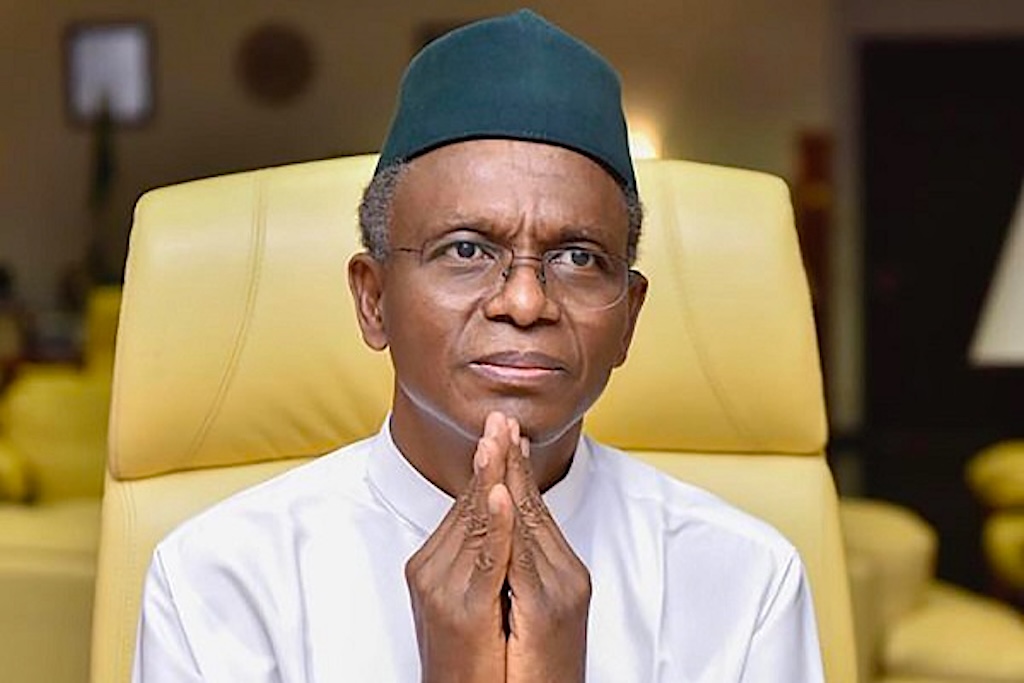
The family's request for a consultation at 5:00 PM on 7 July was approved by the ICPC. The ICPC changed this appointment to 10:00 AM the same day without informing the family until the morning of the visit, making it a busy time at the hospital. After seeing his doctor, El-Rufai waited for about an hour in a public area for a medical report required by the ICPC before he could return to custody.
Some people learned of his presence at the National Hospital and asked to see him. This included Isa Ashiru. Others who saw him while waiting also came to greet him, which is common for a well-known person. The ICPC's idea that this visit became a political meeting ignores their own actions.
The ICPC moved the appointment to a busy time and controlled who could see him. The suggestion that the defense set up a political event is not backed by how the ICPC managed the visit.
MEDICAL CARE AND THE NELSON MANDELA RULES
The ICPC describes their support for El-Rufai's medical needs as “professional courtesies” and “goodwill” that they will stop providing. Access to necessary medical care is not something for the ICPC to decide. This is covered by the United Nations Standard Minimum Rules for the Treatment of Prisoners, known as the Nelson Mandela Rules. Rule 24 states that prisoners should receive the same healthcare as the community. Rule 27 says they should get prompt medical treatment in emergencies. Rule 32 says the relationship between a doctor and a prisoner should follow the same ethical standards as in the community.
Access to one's doctor and medical privacy are rights of anyone in custody, not favors that can be taken away by the ICPC. El-Rufai's right to medical care in custody is also outlined in the 1 April 2026 order from Justice Aikawa.
The ICPC knows that any further limits on his access to medical care, family, or legal counsel will be seen as breaking that order. El-Rufai's lawyers will respond to any such breach by immediately asking the court to hold the ICPC in contempt, along with seeking other help to protect his rights.
PROFESSOR BELLO ABUBAKAR'S ARREST
The ICPC noted that “Professor Bello Abubakar has been arrested for making false statements.” We urge the ICPC to clarify what statement is said to be false, whether it was spoken or written, and the context of the statement, including whether the Professor received legal cautions before his arrest. Without such details, arresting a doctor immediately after attending to a patient in ICPC custody raises serious concerns.
We demand Professor Abubakar’s immediate release until the ICPC makes clear the specific allegations against him.
ICPC'S CLAIM OF DISOBEYING COURT ORDERS
The ICPC states it will inform the courts about the supposed disobedience of court orders. No order has been broken. The only order relating to this matter is Justice Aikawa's 1 April 2026 order, which grants El-Rufai medical care. This order has been followed, not ignored, and it is not the order the ICPC claims he violated.
CONCLUSION
The ICPC's statement from 7 July 2026 is based on an incomplete and inaccurate account of the events before and on 6 July, as well as the medical visit that followed. The only order about the medical visit is the 1 April 2026 order from Justice Aikawa, which grants El-Rufai full access to medical care and has been followed. The events do not support the idea that the medical visit was staged for political reasons. We call on the ICPC to retract its statement that claims a breach of a court order. El-Rufai will continue to fight for his right to a fair trial, his right to medical care as per the order of Justice Aikawa, and his right to be treated according to the law.
Drop your comment
No comments yet — be the first to drop the gist 👇