
The best way to look at the 10th Senate is by its actions: minimum wage, student loans, local government funding, regional development, electricity reforms, tax laws, data protection, security, capital markets, electoral changes, education, and constitutional review.
Some legislatures just talk about national issues. Others, like the Nigerian Senate, work on things that affect daily life. True legislative leadership is not about how loud the debates are, how long the speeches go, or how many motions get passed. It is about what happens when the debates end: laws made, institutions improved, rights upheld, resources managed better, and national issues tackled through laws and oversight.
This is the background for understanding the 10th Senate, which began in June 2023 with Senate President Godswill Akpabio and Deputy Senate President Barau Jibrin. They lead the Senate with different regional experiences. Akpabio, from Akwa Ibom North-West, runs the Senate’s political and administrative center. Barau, from Kano North, combines leading the Senate with active legislative work and initiatives.
Together, they have guided a Senate that supports President Bola Ahmed Tinubu’s Renewed Hope agenda, making tough choices and speeding up legislative work that could change Nigeria’s future.
The impact of the 10th Senate becomes clearer when you look at the laws it has worked on. Key laws include the National Minimum Wage Amendment Act, which raises the minimum wage from ₦30,000 to ₦70,000; the Students Loans (Access to Higher Education) Act that sets up the Nigerian Education Loan Fund; changes to the Electricity Act that allow more state and private involvement; the National Social Investment Programmes Act; and new laws for regional development commissions.
These laws are not just theoretical. A minimum-wage worker feels the difference in their paycheck. A student whose parents can't pay university fees will see if an education loan can help them. States trying to grow their electricity markets will benefit from new regulations.
The Senate’s economic agenda also covers tax, investment, insurance, and revenue collection. The Nigeria Tax Bill, Nigeria Tax Administration Bill, Joint Revenue Board Bill, and Nigeria Revenue Service Bill aim to change parts of Nigeria’s financial system by improving compliance, making administration simpler, and boosting revenue collection.
The National Assembly’s legislative tracker shows the scale of activity: as of 29 April, 1,033 Senate bills had started, with 453 at second reading and 424 in committees. By 23 April, 106 bills had been passed. Earlier figures from the Senate reported 113 bills passed by its second anniversary, with 55 signed by the president. No matter how you measure it, this Senate is processing legislation at a large scale.
For context, the Ninth Senate under Ahmad Lawan announced in June 2021 that it had passed 58 bills from 742 introduced by that time. This is not to downplay the Ninth Senate's work but to show how much more the current Senate has achieved at similar points in time.
Akpabio’s leadership has also faced the challenge of balancing political duties with institutional responsibilities. The Senate works within the larger government structure. Its committees call on officials, check spending, review policies, and look into public issues. At one point, President Tinubu asked the National Assembly to be careful about summoning ministers and heads of agencies, while recognizing lawmakers’ oversight role.
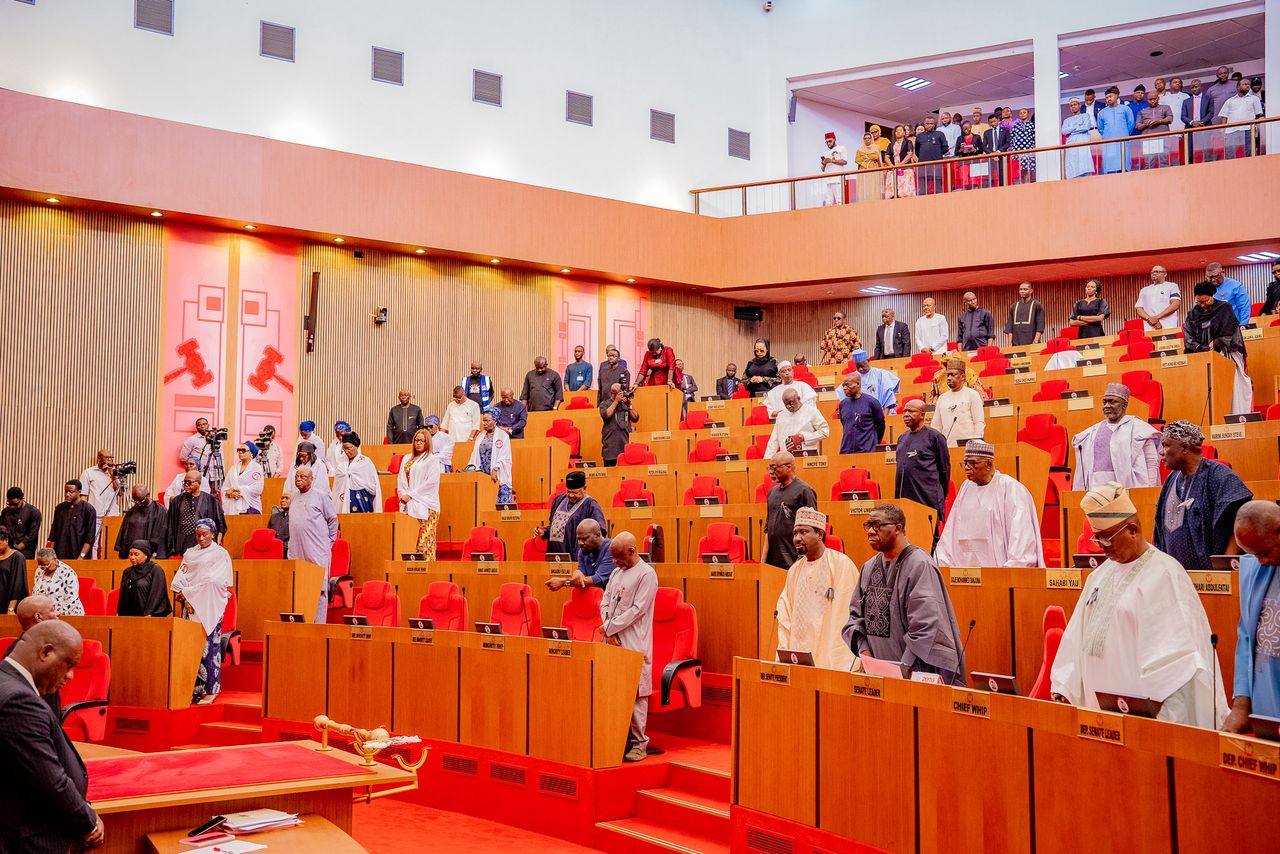
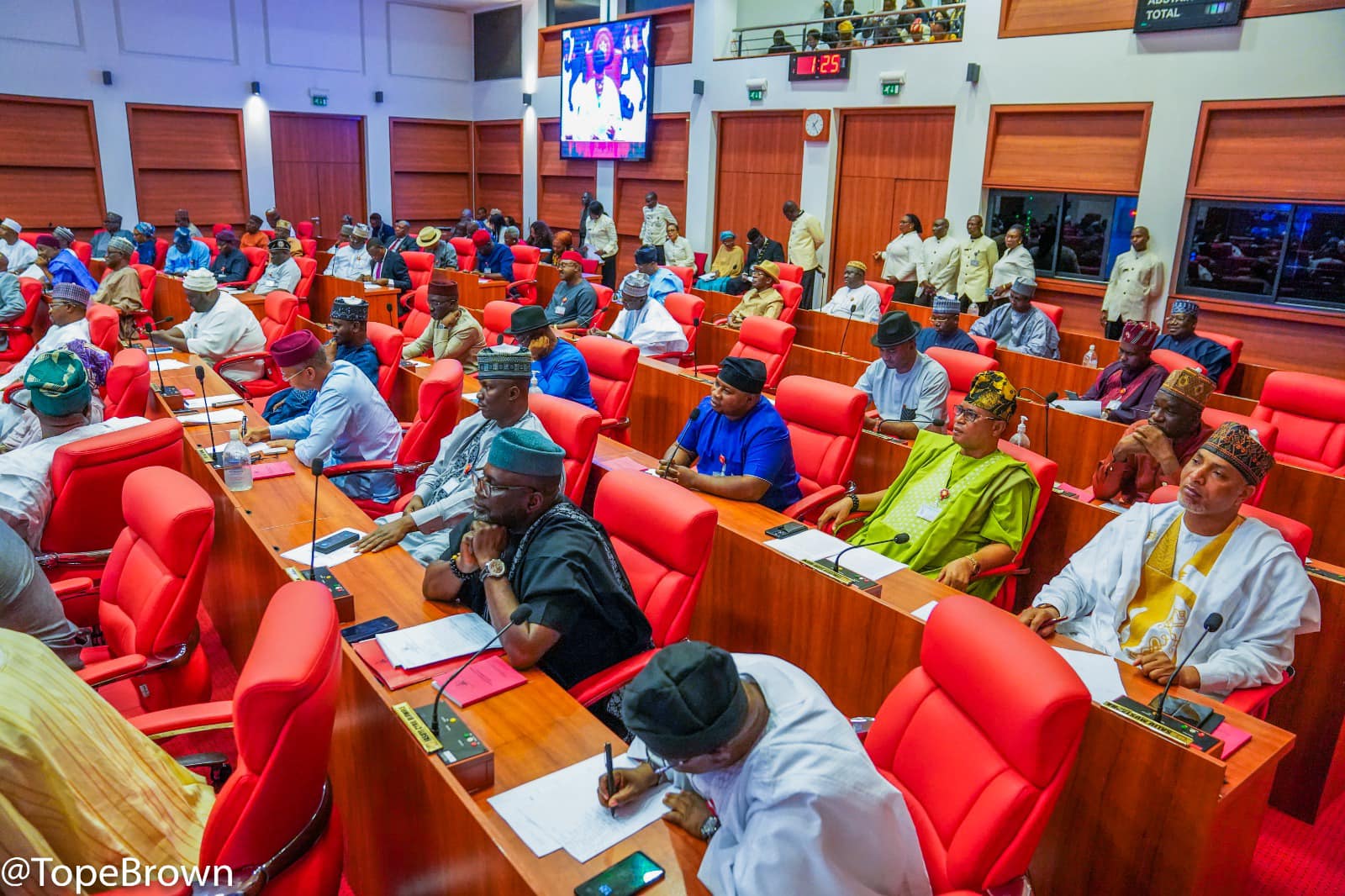
Security has been a major focus for oversight. Beyond meetings with security chiefs and checking security spending, the Senate set up a special panel led by Senate Leader Opeyemi Bamidele to hold a national security summit due to ongoing violence and insecurity. Laws have also tackled current threats, including the Control of Small Arms and Light Weapons Act, updated cybercrime laws, and reforms to the Defence Industries Corporation.
Barau Jibrin’s role as Deputy Senate President is significant. Elected without opposition, he leads when Akpabio is not available, showing their good working relationship. Barau has sponsored or co-sponsored many bills, including proposals for constitutional changes, establishing new tertiary institutions, and security legislation.
His role is crucial in the constitutional reform talks. As chair of the Senate committee reviewing the 1999 Constitution, Barau is key in discussions on state policing, devolution, and other important reforms, issues that are overdue and needed to tackle insecurity at the grassroots. Reviewing the constitution means dealing with different interests, political issues, and views on how Nigeria should be run.
The 10th Senate has also shown it can enforce rules. In March 2024, Senator Abdul Ningi was suspended for three months after budget padding claims. In March 2025, Senator Natasha Akpoti-Uduaghan faced a six-month suspension after a case before the ethics committee. She disagreed and took the matter to court. These cases are still debated, but they show the Senate's use of disciplinary actions to uphold rules, even when contested.
The story of the 10th Senate goes beyond just its leaders. Akpabio gives political guidance; Barau adds legislative strength; committee chairs ensure detailed reviews; and individual senators bring forward bills that reflect local and national issues.
To assess the 10th Senate well, we must look at the laws it is passing: minimum wage, student loans, local government funding, regional development, electricity reforms, tax laws, data protection, security, capital markets, electoral changes, education, and constitutional review.
As the 10th Senate approaches the end of its term, Akpabio and Barau will stay central to its narrative. But the more lasting impact will be in the laws and institutions created during their time, and whether these changes lead to real improvements in the lives of Nigerians.
This record, along with the contributions of senators who shaped it, will be part of an upcoming PRNigeria publication that looks at the members of the 10th Senate and their legislative successes. This is a story of parliament told through the people who served, and the laws they made.


Drop your comment
No comments yet — be the first to drop the gist 👇