Stakeholders in Nigerian sports are calling on both the government and private businesses to invest more in the industry. They want sports to be seen as a way to generate money, create jobs, and drive growth.
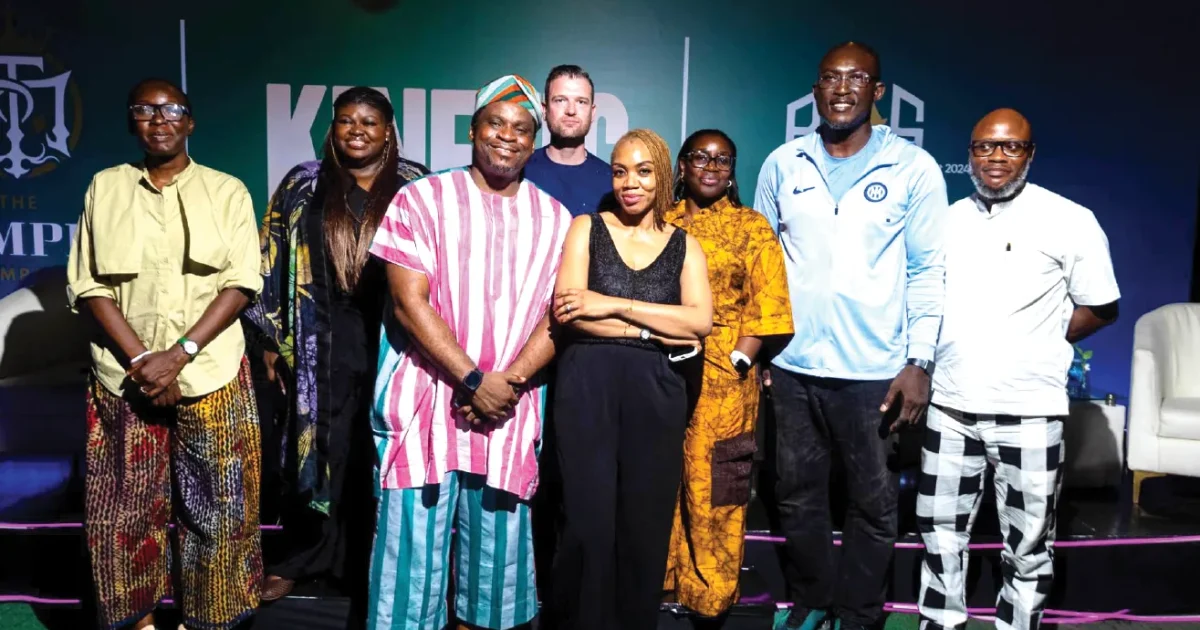
This message came out during the first KINETIC sports business forum in Lagos. The event was organized by The Temple Company in partnership with the Business of Sports Institute Africa, also known as BOS Africa.
The forum took place at The Temple Company on Victoria Island. It gathered sports executives, entrepreneurs, investors, football agents, administrators, sports lawyers, government officials, and finance experts. The goal was to connect people who can help grow the sports industry.
Terfa Tilley-Gyado, President and CEO of The Temple Company, highlighted that the forum aimed to promote sports business in Nigeria and across Africa. He emphasized that just finding talent is not enough.
"We are united by the belief that African excellence is beyond talent alone but an ecosystem around it. It breaks my heart that with all African talents around the world, they are under-represented in every area of sports business," he said.
Beverley Agbakoba-Onyejianya, founder of BOS Africa, pointed out that Nigeria's sports industry is not up to par.
"We are a sporting nation, and we are a vibrant nation. We’re a footballing nation, actually. But we still don’t provide enough jobs. It’s just not a sustainable industry as it ought to be when you compare it to, say, England, France," she said.
She mentioned that the event aimed to unite different sectors, saying, "We want finance to talk to the agents. We want the agents to talk to the telecoms people. We want us all to communicate more so we can do more in this industry."
During a panel session led by Telema Davies of DMPartners, participants discussed how Nigeria approaches sports. Dr Seun Akinbolu, founder of The Athletics School Games and Pan-Africa School Games, stated, "Nigeria is an unserious sports nation because we have abundant talents and potential but we are not doing anything with them."
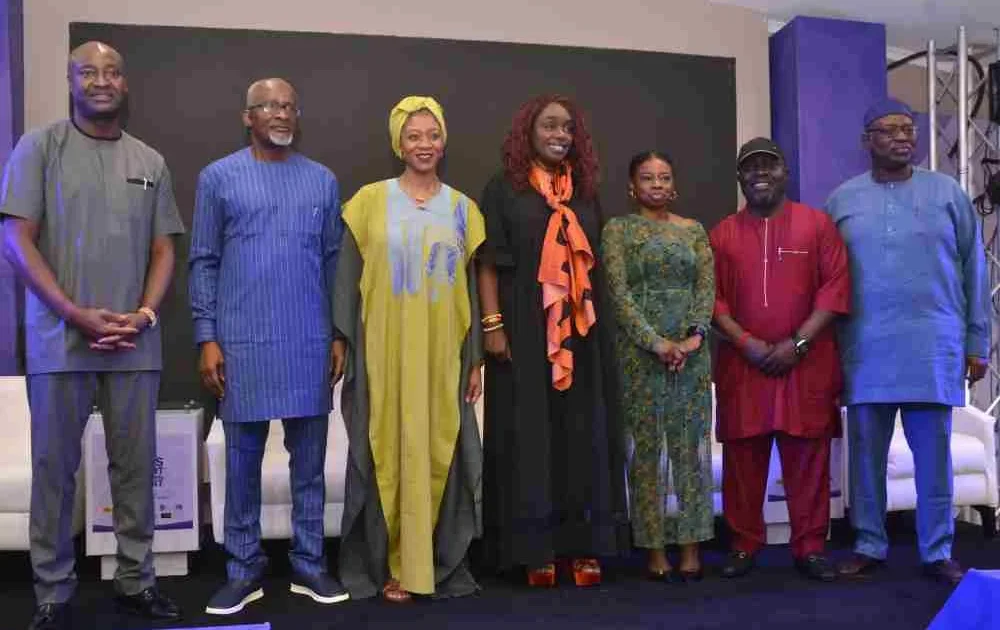

Jouko Gorissen, a football agent and founder of Next Level Global Recruiting, noted that Nigeria does not maximize the sports business like European countries do. He said the government mainly runs sports, and the industry relies too much on athletes as its main source of income.
Aderoju Ope-Ajayi, chairperson of the Lagos State Aquatic Association, called for more focus on grassroots sports.
"The wider the base of children who have the opportunity to learn and participate, the larger the pool of talent we can draw from at every level," she said. She added that sponsors often support events out of goodwill instead of having clear long-term commercial goals.
Folake Shasanya, managing partner of Aesura Group, mentioned that young athletes show great potential but lack the right systems to support them. She pointed to Nigeria’s recent results at the Youth Olympic Games as evidence of this potential.
Other panelists expressed concern over the lack of sports facilities in schools for basketball, track and field, and rugby. They believe sports can help lift people out of poverty and reduce crime.
Opeyemi Babalola, founder of Webber Engineering, blamed politics, poor infrastructure, and weak management of facilities. He noted that naming rights could generate income for facilities, but Nigeria often misses these opportunities by sticking to commemorative names.
The panelists urged the government to create a supportive environment for private funding in sports. The National Sports Commission revealed plans in October to raise a N1 trillion fund to fix facilities and attract private investment.
The organizers also announced that KINETIC would become a regular event.

Drop your comment
No comments yet — be the first to drop the gist 👇