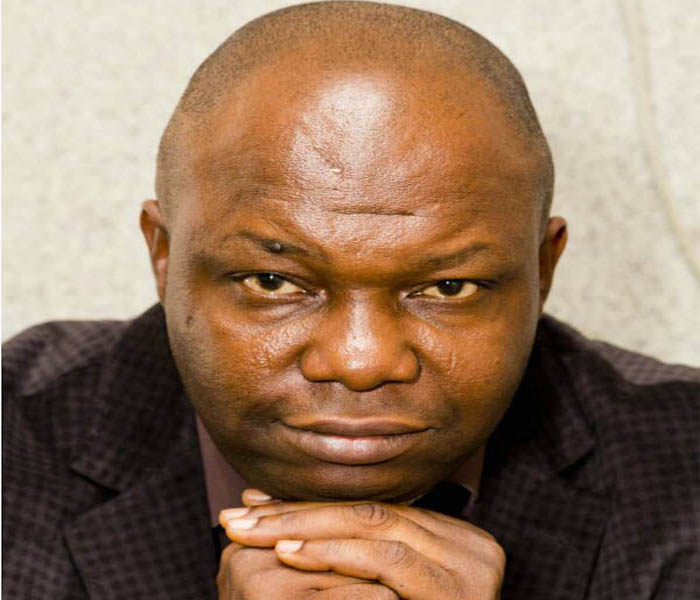
“Do not take your personal problems to Lagos/Lagosians. Lagos adds to the burdens you already carry.” This was a comment made last Tuesday by Professor Toyin Falola, a well-known historian in Africa. He said it in Yoruba: “E má gbê erù yín lo bá ará Èkó o; ará Èkó ńdì kún erù eni ni.”
This saying warns against bringing your troubles to Lagosians. Instead of finding solutions, Lagos is described as a place that adds to your troubles. Falola suggests that Lagos makes life harder for those already struggling.
During his speech at the launch of nine books by Lasisi Olagunju in Ibadan, Falola echoed my own feelings about Lagos. His words confirmed that my fear of Lagos and its people was not unfounded. Many stories have been told over time about the harshness of life in Lagos. This idea has been passed down from Yoruba culture about the people of Lagos.
Lagos has a way of toughening up those who are naive. It boasts of being a place where only the strong survive. Lagos sharpens your mind in ways that no other place can. It has both good and bad people, showing that life here is a mix of challenges. In Lagos, you have to stay alert or risk losing everything. This city does not tolerate laziness. Its busy energy warns those who hesitate that they will not do well here.
Even though Falola’s comment sounds light-hearted, it carries a history of struggles. It serves as a reminder of the harsh realities in Lagos and is a warning that still rings true today.
In Nigerian politics, Babatunde Raji Fashola stands out as a unique figure. He has spent many years building a reputation as a dedicated public servant. He is not like the typical lazy politician. Fashola is known for being detail-oriented and prefers facts over empty words. He thinks things through carefully and can easily spot weak arguments.
I remember a few years back when I visited his office in Marina, Lagos, with the late Oyo State Governor Abiola Ajimobi. I was always struck by the sight of his parked G-Wagon. The passenger side was always piled high with books and files. I saw him as someone who values knowledge. Fashola reminds me of Seshat, the ancient Egyptian goddess of writing and libraries.
This image of Fashola clashes with the negative views I have about Lagosians. For 30 years, I have held on to a fear of Lagos since my first visit. It seems no amount of time has changed that.
My fear of Lagos likely started in the late 1980s. As I prepared to start at the University of Lagos, I received many warnings about the city. People said Lagos was a tough place that gives little and takes much. The stories about Lagos’s harshness stuck with me. I was even advised to keep my money hidden when I arrived.
There are many sayings that highlight Lagos’ unforgiving nature. The harsh realities of life there show that naivety can ruin your dreams. Lagos does not give second chances.
Then Fashola appeared in an interview on Arise TV last week. In recent weeks, he has been defending the current APC government. Every time he does, I remember his earlier comments defending the government's fuel price hikes. He claimed that the removal of the fuel subsidy was due to a World Bank decision.
This statement reminded me of the ideas of scholars who argue that institutions like the World Bank keep African nations poor. For Fashola to use this argument for the Tinubu government was surprising.
Reflecting on his words over the past two weeks, I remembered something he said during his Senate screening in October 2015. He told parliament, “May our loyalty never be tested.” This was seen as a sign of the pressure he faced in accepting a role under Buhari, who was turning against Tinubu, who had supported him.
This led me to wonder if Fashola’s recent comments were an attempt to distract from Tinubu’s issues. Was he feeling pressure from the president’s criticism after being silent for nearly four years?
This explains why his TV appearance felt so off. It was almost sad to watch Fashola struggle with his answers, trading his usual detail for vague statements. Had it not been for his signature cap, he could have been mistaken for less credible commentators.
Fashola’s interview felt like a polished performance without substance. He seemed to ask Nigerians to view the current government’s record through a biased lens. His argument that the easing of fuel queues meant relief from the rising cost of living was misleading.



When asked about the questions surrounding the president’s educational background, Fashola dismissed them as distractions. He noted that Tinubu has always won elections. At that moment, I almost thought the interviewer had brought in a different version of Fashola.
In response to former British Prime Minister David Cameron's comments about Nigeria being “fantastically corrupt,” Fashola deflected by saying Western critics are also corrupt. At that moment, I couldn’t help but think, “And Jesus wept.”
Beneath Fashola's calm tone in justifying Nigeria’s issues lies a troubling series of false comparisons. He confused the lack of fuel queues with economic improvement. The rising cost of petrol is a burden for many, similar to what led to a political loss for Trump in the US.
His comments showed a detachment from the struggles ordinary Nigerians face. He seemed unaware of the difficulties families endure today. While people in Lagos may not wait in fuel lines anymore, they are still feeling the strain of high prices.
Celebrating empty fuel stations without understanding why they are empty is like bragging about an empty hospital after raising treatment fees. Today, many workers and small business owners cannot afford petrol.
The Fashola we once knew would have argued that fewer fuel queues do not mean prosperity. Instead, they reflect the reality of reduced purchasing power. He pointed to smooth petrol stations as if they were proof of progress while ignoring the struggles people face.
Fashola also dismissed the questions about the president’s qualifications. This shows a lack of understanding of the political climate. He argued that these issues do not impact the cost of living and that Tinubu has faced scrutiny for years. This reasoning is not typical of Fashola. It shows a casual attitude towards the standards of democracy, where transparency is crucial for those in power.
Transparency builds trust and is essential for good governance. If Nigerians ask for it repeatedly, it is justified. How institutions handle rules for powerful individuals affects public confidence. Winning elections does not excuse leaders from scrutiny.
Fashola’s third argument was equally weak. He mixed up Tinubu’s connections with the idea of serving all Nigerians. He suggested that political loyalty means good governance. His comparisons of Tinubu to other politicians missed the point. The truth is, Tinubu’s rise has faced many challenges and conflicts.
For every Raji Fashola, there are many others who have fallen out with Tinubu. Keeping political allies reflects survival tactics, not true governance. Fashola should have highlighted data on fair representation and shared growth.
Some scholars see Tinubu's grip on Lagos as more than just political skill. They see a system built on loyalty, coercion, and control disguised as grassroots support.
Fashola's other arguments were also weak. A government does not lose trust just because it faces economic challenges. Nigerians know that leading such a large population is difficult. Trust starts to fade when respected voices like Fashola ignore the issues facing everyday people.
What Fashola did was tell Nigerians to overlook the need for transparency and accept political survival as the only measure of leadership. Over the past few days, Fashola has defended a struggling government but failed to offer real solutions for citizens facing the consequences of government policies.
Nigerians do not judge governance by how well a former governor performs on TV or how many politicians stay loyal to the president. As Falola warned, a country already burdened with problems needs real solutions, not more pressure from Lagos. The true measure of a leader is whether institutions earn trust and lives improve. Fashola's attempts to justify the situation will not convince Nigerians.
In the interview, Fashola confidently stated that the APC would not let Peter Obi win the 2027 elections like he did in Lagos. It is not just about what the APC will do but what Lagosians will choose. The decision for the 2027 elections will depend on whether the people's hopes are genuinely met or if they are given more empty promises.


Drop your comment
No comments yet — be the first to drop the gist 👇