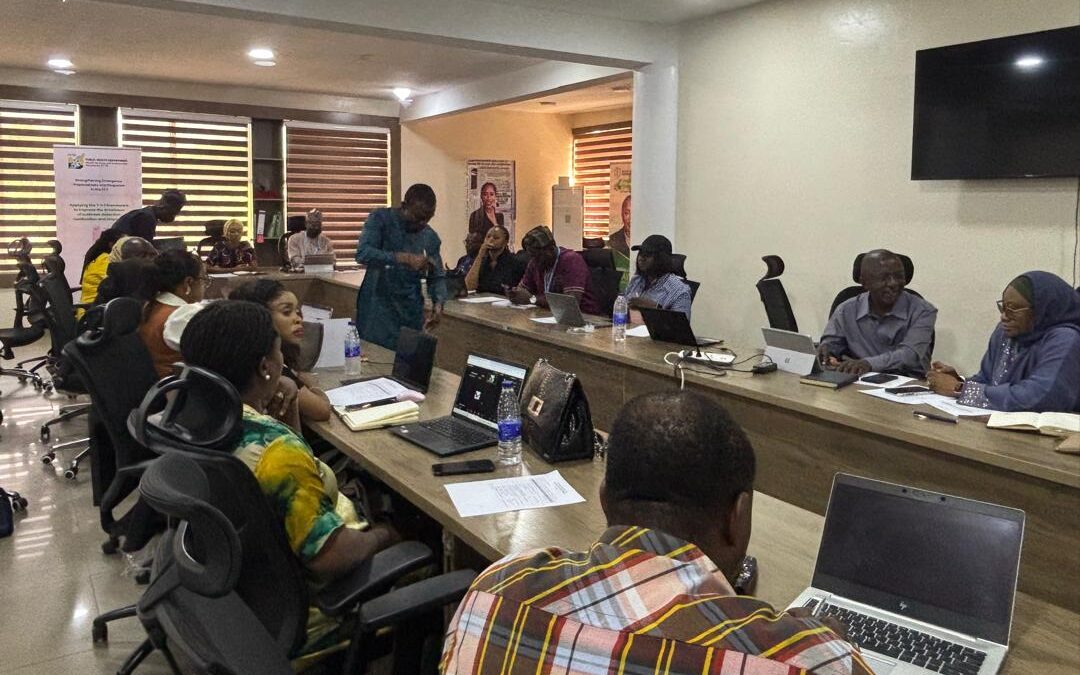
The Federal Capital Territory Administration (FCTA) has set up its Multisectoral Cholera Emergency Operations Centre. This is to boost efforts to control the current cholera outbreak and stop more people from getting sick or dying.
The centre was launched on Wednesday, 25 November, 2026. It will help coordinate actions between government agencies and partners, especially as the festive season comes.
Teresa Nwanchukwu, the Director of the Public Health Department, represented the Mandate Secretary for the Health Services and Environment Secretariat. She officially opened the Public Health Emergency Operations Centre (PHEOC).
The meeting had key attendees like Joyce Chinyere Echoke, the Director of the Rural Water Supply and Sanitation Directorate (RUWASSA). A representative of the FCT Water Board was also present, along with people from the World Health Organization (WHO), UNICEF, Jhpiego, Pro-Health International, and the Nigerian Red Cross Society.
Everyone at the meeting promised to support the FCT in its battle against the outbreak.
Lawal Lukman Ademola, the FCT State Epidemiologist, was named Incident Manager. He will oversee the Cholera Incident Action Plan using a multisectoral Incident Management System.
The administration stated that their top actions will include better disease tracking, searching for cases, laboratory testing, managing cases, preventing infections, and improving water, sanitation, and hygiene (WASH). They will also focus on risk communication, engaging with the community, logistics, and vaccinations where needed.
They plan to intensify response efforts in affected areas while boosting surveillance and preventive measures in areas at risk.
According to the World Health Organization (WHO), cholera is a serious diarrheal illness caused by eating or drinking contaminated food or water. It can lead to severe dehydration and can be deadly within hours if not treated.
The WHO estimates that every year, between 1.3 million and four million cholera cases happen globally. This results in about 21,000 to 143,000 deaths.
The WHO says that lack of access to clean water, sanitation, and hygiene are key reasons why cholera spreads. The agency emphasizes that cholera can be prevented and treated. Early treatment, especially with oral rehydration solution (ORS) and proper medical care, is crucial in reducing deaths.
Preventive Measures for Residents

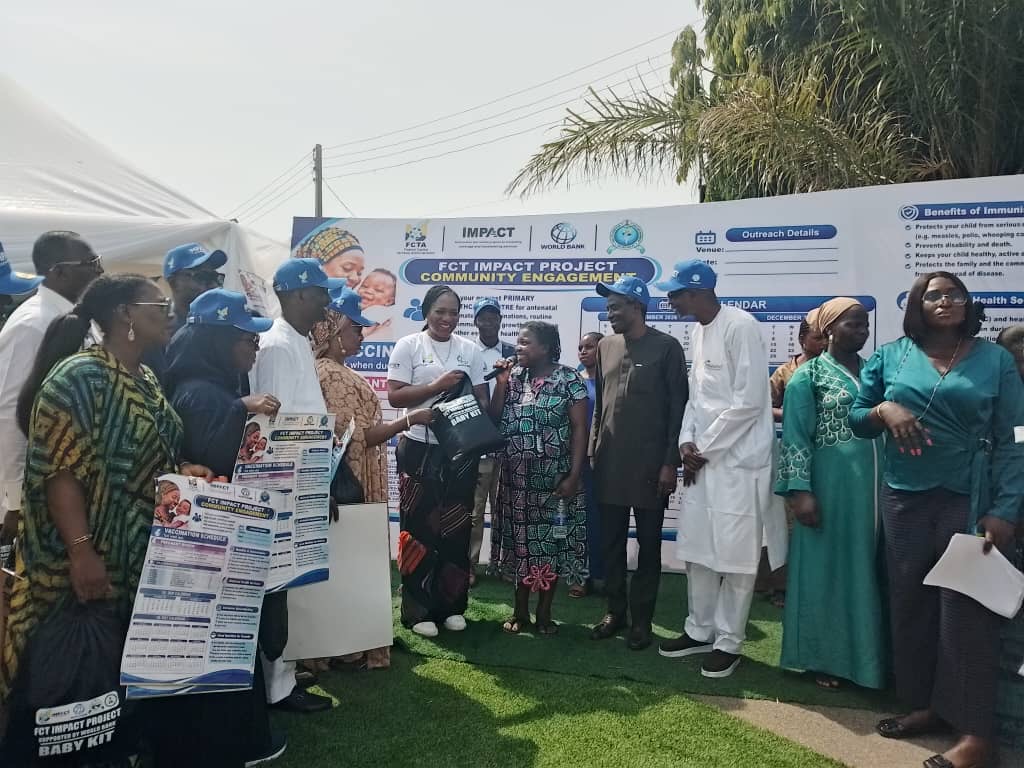

To lower the risk of infection and stop further spread, the FCTA advised residents to follow these precautions:
- Drink Safe Water: Only drink water from trusted sources. If unsure about its safety, boil the water or treat it with chlorine before drinking.
- Wash Hands Regularly: Wash your hands well with soap and clean water, especially after using the toilet and before cooking or eating.
- Practice Food Hygiene: Always eat food that is properly cooked and handle food safely to avoid contamination.
- Use Proper Toilet Facilities: Use appropriate toilets and avoid open defecation, which can contaminate water sources and the environment.
- Keep the Environment Clean: Maintain cleanliness in homes and surroundings, and dispose of waste properly.
Seek Medical Help Immediately
The FCTA urged residents who have sudden watery diarrhea, with or without vomiting, to act quickly. They should start using oral rehydration solution (ORS) if available and go immediately to the nearest health facility for proper care.
The administration reassured residents of its commitment to public health. They are working with relevant partners to manage the outbreak.
Residents are also encouraged to stay alert, follow preventive measures, and cooperate with health officials.
People can report suspected cholera cases or get emergency response information by contacting the FCT State Epidemiologist and Cholera Incident Manager, Lawal Lukman Ademola, at 09084000085.


Drop your comment
No comments yet — be the first to drop the gist 👇