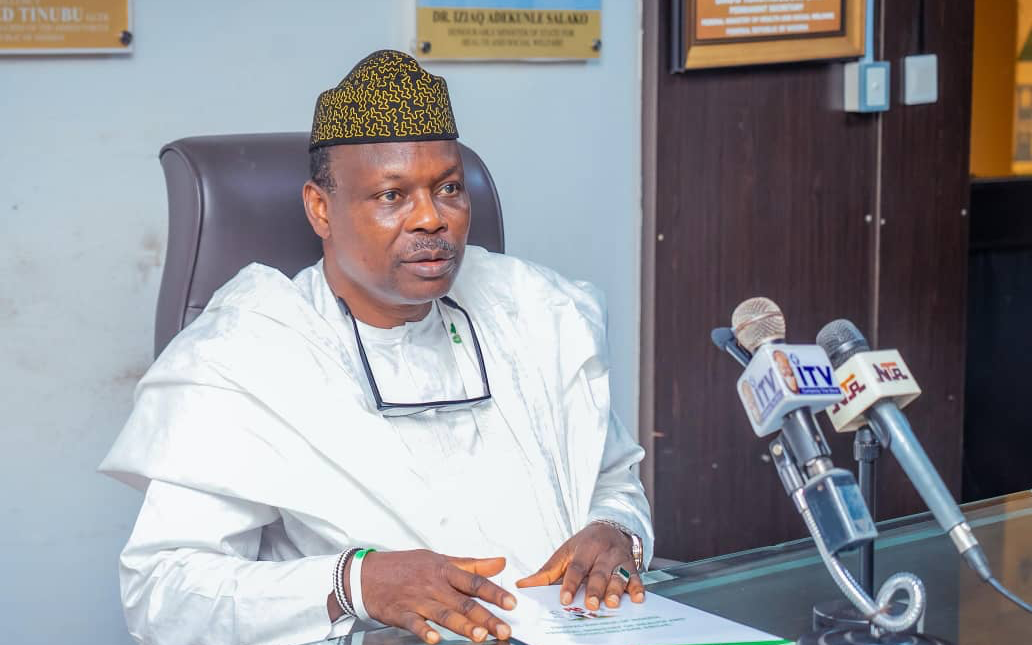
The federal government has announced that it spent N249.6 billion from the Basic Health Care Provision Fund (BHCPF) over the last three years. This amount is 77.1 percent of the N323.6 billion given out since the fund started in 2019.
The government plans to increase financial support to at least 17,600 primary healthcare facilities. They also aim to provide health insurance for about 90,000 Nigerians in prisons.
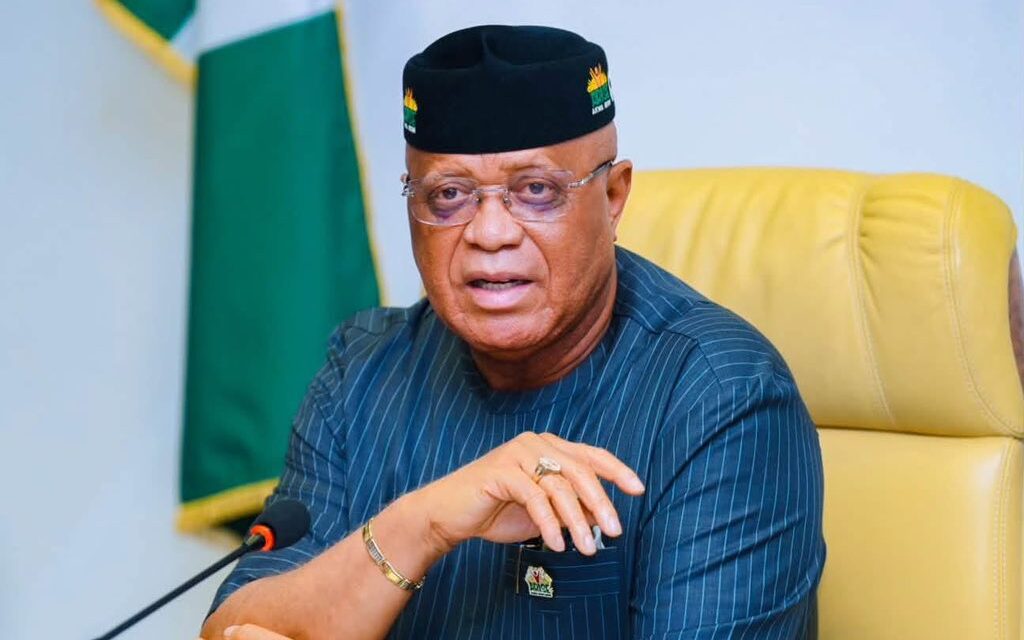
Iziaq Salako, the Minister of State for Health and Social Welfare, shared this information on Wednesday in Abuja. He spoke during a ministerial briefing on the fund's progress under President Bola Tinubu's administration.
The BHCPF was set up under the National Health Act 2014 to help more Nigerians access essential healthcare, especially those who are poor and vulnerable.
Mr Salako mentioned that the fund has become an important tool for the Nigeria Health Sector Renewal Investment Initiative. This initiative began in December 2023 to improve healthcare delivery and funding.
As of September 2026, total releases to the fund reached N422.3 billion, with N323.6 billion already disbursed. He also noted that the Ministerial Oversight Committee approved an extra N40.76 billion on October 14. This approval will increase total disbursements to N364.3 billion, including N290.2 billion under the Tinubu administration.
On the latest funding, Mr Salako explained that N19.87 billion would be allocated to the National Health Insurance Authority. N18.34 billion will go to the National Primary Health Care Development Agency. Additionally, N2.04 billion is set for emergency medical treatment, while N509.48 million is for the Nigeria Centre for Disease Control and Prevention.
These allocations will support health insurance, primary healthcare services, emergency medical response, and disease tracking.
Mr Salako added that the government is collaborating with the National Assembly to increase the fund's allocation from one percent to two percent of the Consolidated Revenue Fund.
He also mentioned that national health insurance enrollment rose from about 16.2 million people in 2023 to 23.06 million by the third quarter of 2026. The BHCPF has helped provide insurance for 3,182,943 vulnerable Nigerians with National Identification Numbers.
The fund has also financed free surgeries and rehabilitation for women with vesicovaginal fistula, emergency caesarean sections, and other urgent maternal and newborn care for 96,068 women and babies.
Mr Salako said the oversight committee has approved health insurance for about 90,000 Nigerians in correctional facilities. This will help inmates access essential healthcare.
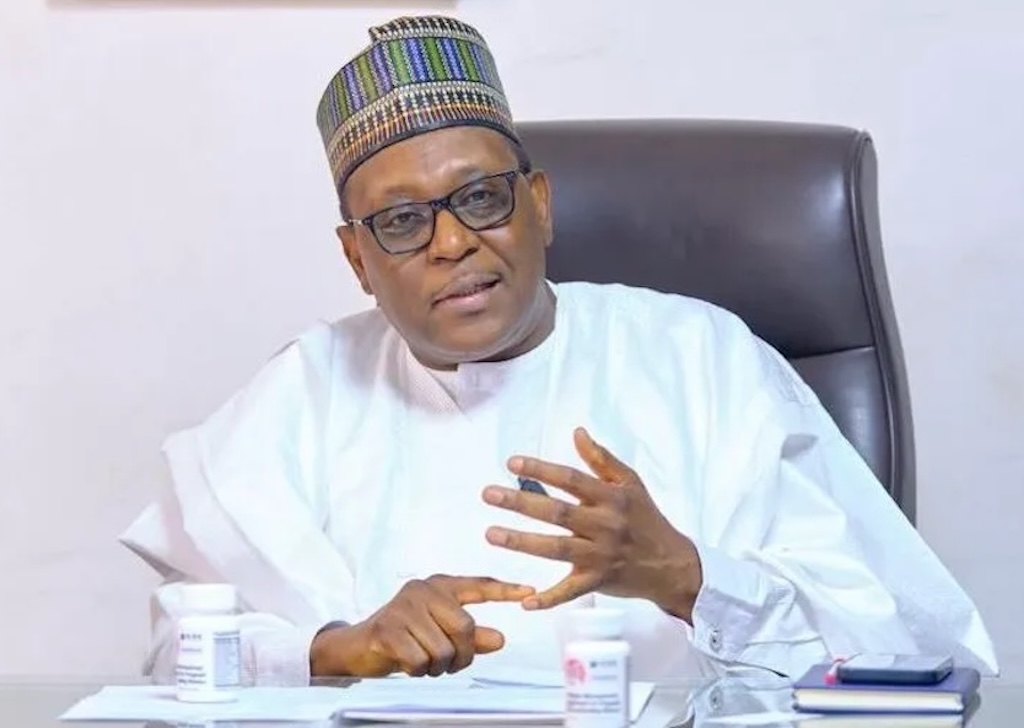
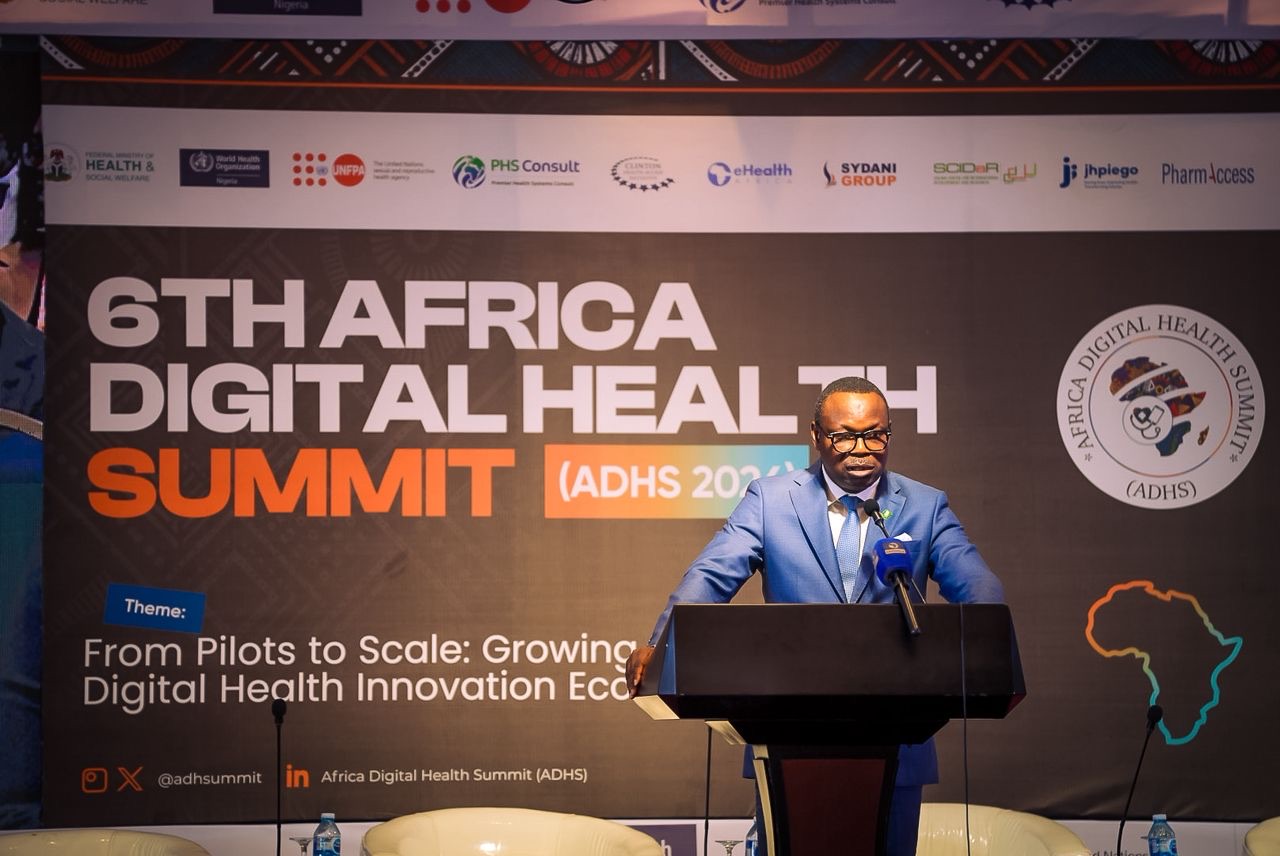
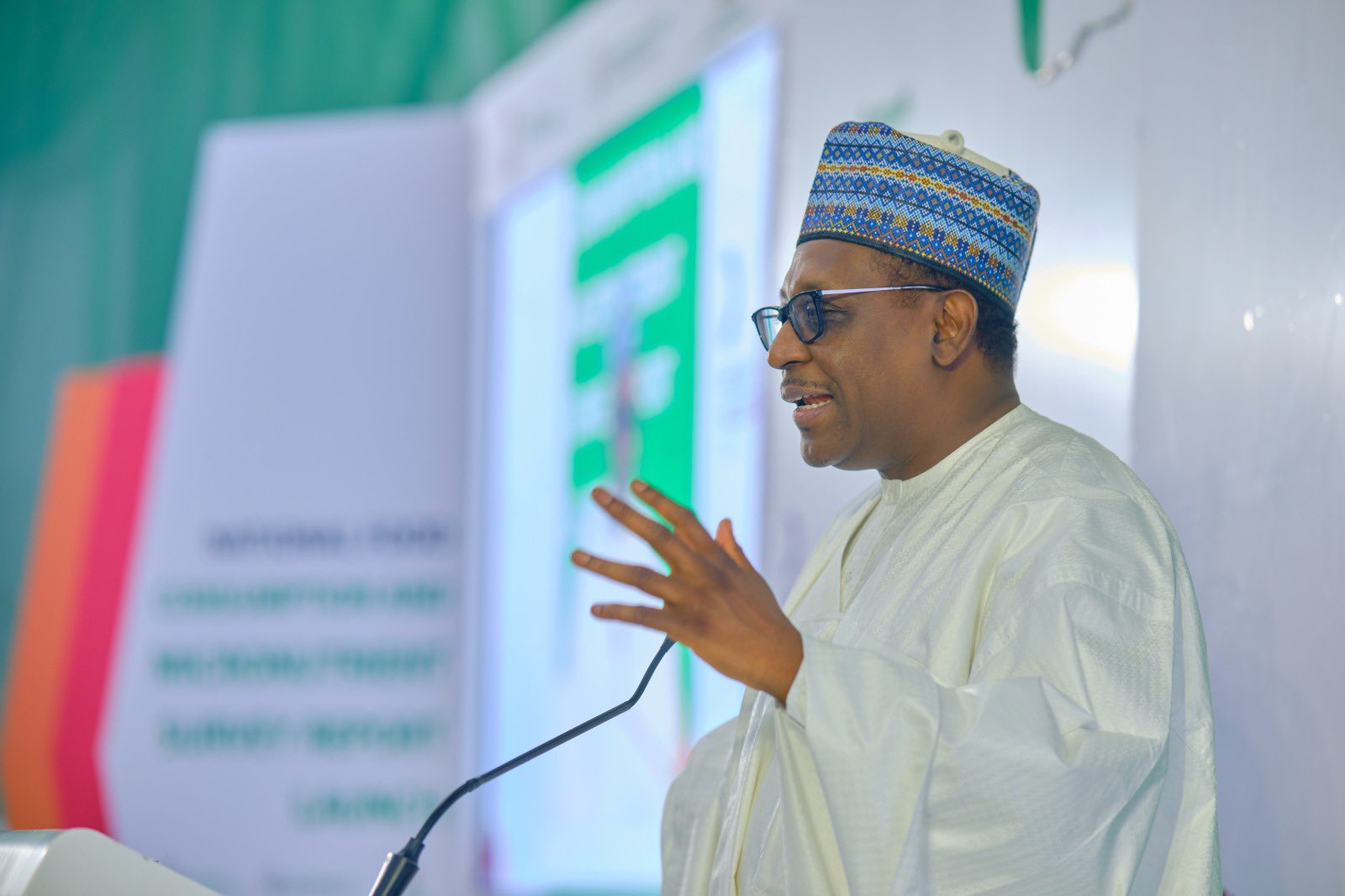
Regarding primary healthcare, he stated that direct facility financing now supports 8,309 PHCs nationwide, including the Federal Capital Territory. The government plans to add another 5,212 facilities, bringing the total to 13,521. Their ultimate goal is to finance at least 17,600 facilities.
He mentioned that the number of facilities reaching Level 2 readiness increased from 1,748 in 2024 to 3,202 by the third quarter of 2026. He also shared that PHC attendance grew from 34.55 million in 2023 to 43.06 million by the second quarter of 2026.
On emergency medical services, Mr Salako said all 36 states and the FCT now have operational structures. Emergency transport services have been set up in 171 local government areas under the Maternal and Newborn Mortality Reduction Innovation Initiative. The plan is to extend this to 200 local government areas by December 2026.
He noted that the emergency response system has handled 168,571 ambulance service cases since 2023. This includes obstetric emergencies, neonatal issues, road traffic injuries, snakebites, burns, and other urgent medical situations.
Mr Salako said 78,054 frontline health workers have been trained, aiming for a total of 120,000. The oversight committee also approved phased salary support for 13,800 community health workers and skilled birth attendants.
Under this support, the federal government will cover full salary costs in the first year, 67 percent in the second year, and 33 percent in the third year, before state governments take over.
He mentioned that the committee has also approved the launch of MEDIPOOL. This is a pooled procurement system to ensure access to essential medicines and health supplies, with checks for quality and accountability.
Mr Salako urged state governments to meet their financing obligations for primary healthcare. He praised Katsina State for allocating N240.79 million to its State Health Insurance Agency to support expanded coverage.
He said the Ministry of Health and Social Welfare is working to improve financial accountability. They are implementing updated BHCPF Guidelines 2.0 and collaborating with the Independent Corrupt Practices and Other Related Offences Commission to track public fund usage.
He stressed the need for timely reporting, clear payments, and verifying expenses to ensure funds reach healthcare facilities and provide services for patients.
Mr Salako confirmed that the government is dedicated to increasing domestic health funding and improving access to essential healthcare, especially for vulnerable Nigerians.

Drop your comment
No comments yet — be the first to drop the gist 👇