The federal government has approved ₦40.7 billion for primary healthcare services across all 36 states and the Federal Capital Territory (FCT). This money is part of the Basic Health Care Provision Fund (BHCPF).
The government is also increasing the number of primary healthcare facilities that will benefit from this fund by 5,000. This will bring the total number of facilities to over 13,000.
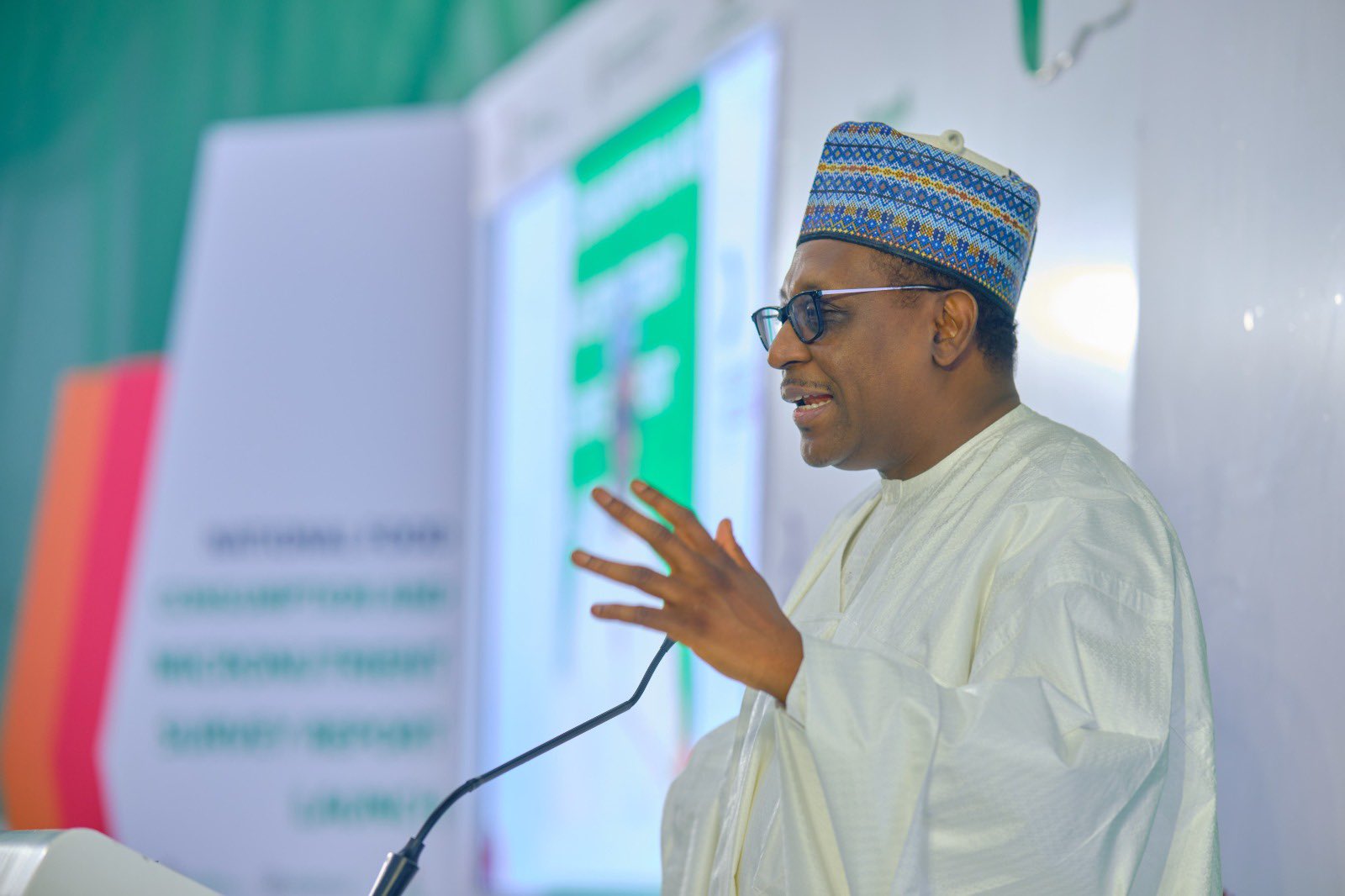
Muhammad Pate, the Coordinating Minister of Health and Social Welfare, shared this news on Wednesday in Abuja. He spoke with journalists after the 16th Ministerial Oversight Committee (MOC) meeting on the BHCPF.
Mr Pate said the ₦40.7 billion is the federal government's share from the Consolidated Revenue Fund (CRF) for the quarter. He mentioned that the government’s revenue has increased, which helped to nearly double the monthly disbursements into the fund and the allocations to states.
The MOC will choose the additional 5,000 facilities based on fairness. This includes looking at disease burden, population size, and how far people have to travel to get healthcare services.
"The MOC deliberated on those, noted the progress, and is going to add these 5,000 facilities with equity considerations, so that the burden of disease, distance, and population are considered," he said.
He explained that the goal of this expansion is to use more resources for primary healthcare delivery across Nigeria. However, Mr Pate stressed that the federal government’s support should not replace the spending by state and local governments.
"That’s not the limit. States should at least put that alongside the local government and even do more, because these are issues at the subnational level," he said.
He urged state and local governments to increase their spending on health, education, and other social services. Mr Pate also mentioned that savings from the National Primary Health Care Development Agency (NPHCDA) will help recruit frontline health workers.
He said the federal government plans to support these workers for three years. After that, states are expected to take over their employment and hire more workers as needed.

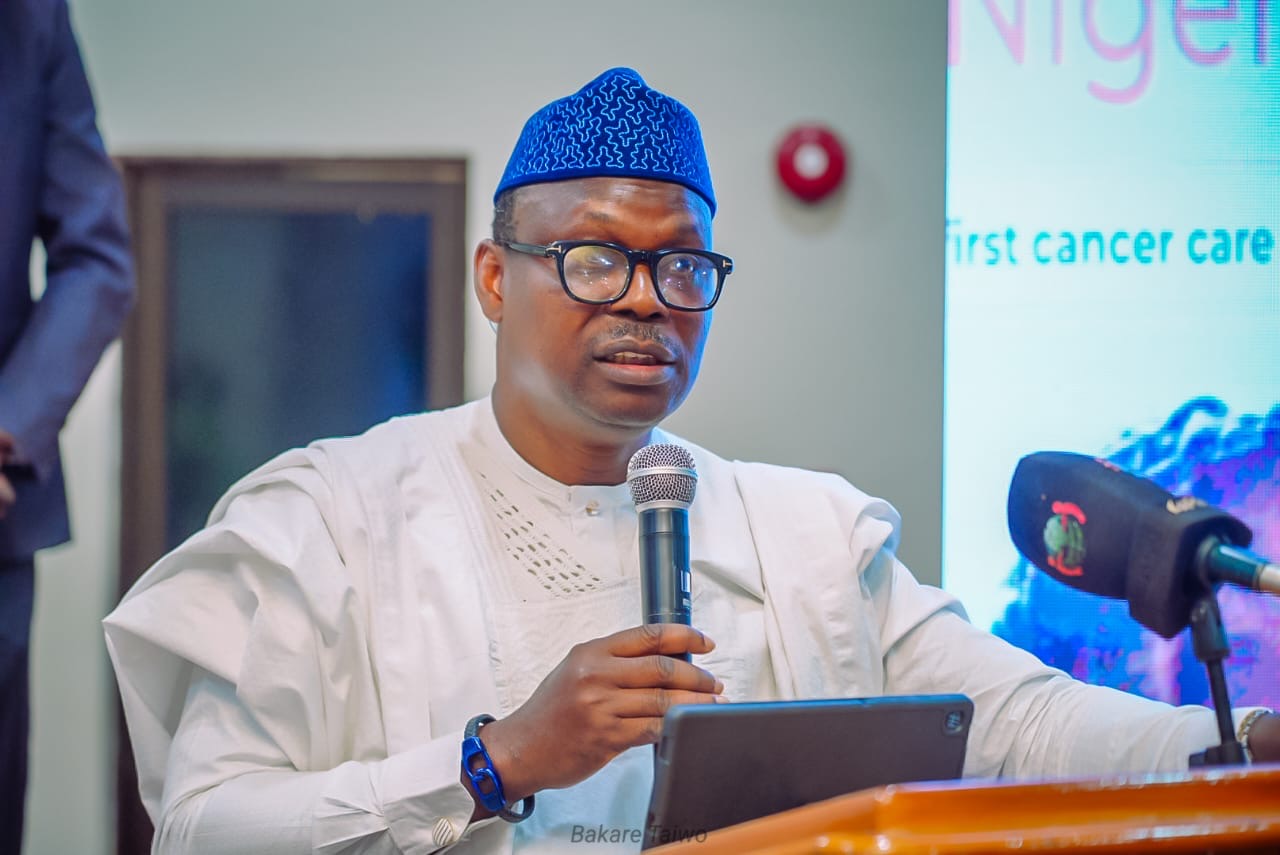

Mr Pate noted that this plan is part of efforts to fix the shortage of human resources at primary healthcare facilities. The Minister of State for Health and Social Welfare, Iziaq Salako, said the government is also focused on making sure that the increased funding is used effectively.
Mr Salako said the MOC discussed buying medicines and health supplies together to get better prices for what is provided to primary healthcare facilities.
"The administration is not only concerned about expanding the funding, but also ensuring that the funds are deployed efficiently to achieve maximum impact," Mr Salako said.
He added that the government will work with civil society groups and the Independent Corrupt Practices and Other Related Offences Commission (ICPC) to improve accountability in how healthcare funds are used.
Mr Salako also announced that prisoners will now be included in the Vulnerable Group Health Insurance Fund. This means that about 90,000 prisoners nationwide will get health insurance coverage.
"As we look to expand the people that are covered under health insurance, we are also giving a lot of priority attention to people who are vulnerable, including prisoners," he said.
This move will help inmates access basic healthcare through the government’s vulnerable health insurance program. Mr Pate also expressed concern about Lassa fever deaths and urged states to allocate more resources for outbreak responses.
He called on parents to ensure their children receive vaccinations against diphtheria, noting that it can be prevented by vaccines.
"Those children who are vaccinated are unlikely to get diphtheria," he said.

Drop your comment
No comments yet — be the first to drop the gist 👇